

Pull to refresh
Logo
Textron sells golf carts and car parts to become a pure-play aerospace and defense company

Textron sells golf carts and car parts to become a pure-play aerospace and defense company

Money Moves

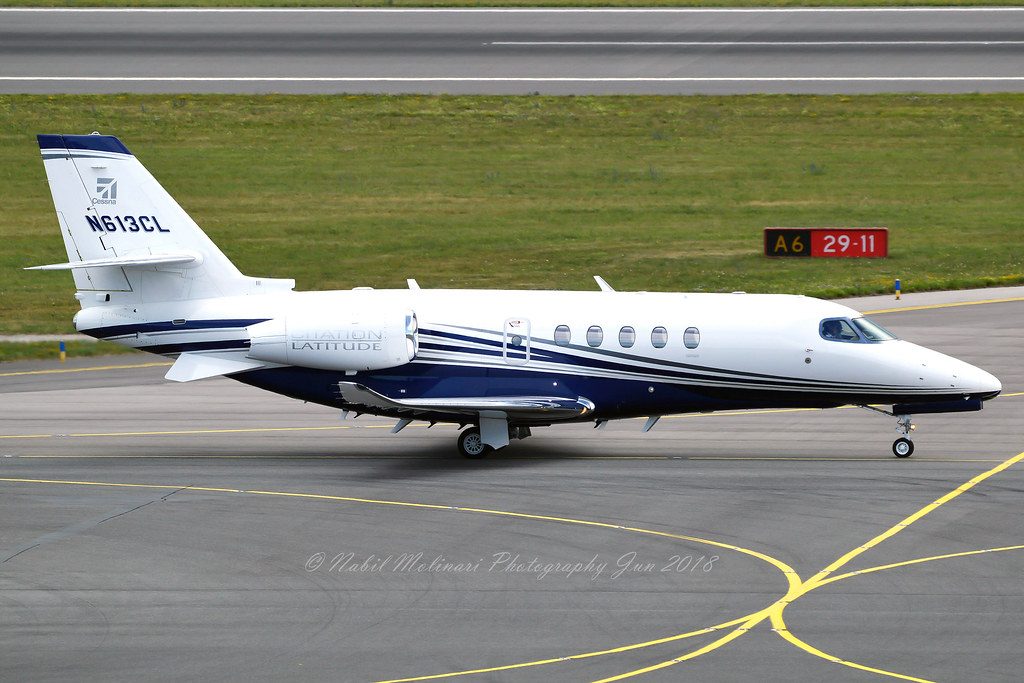
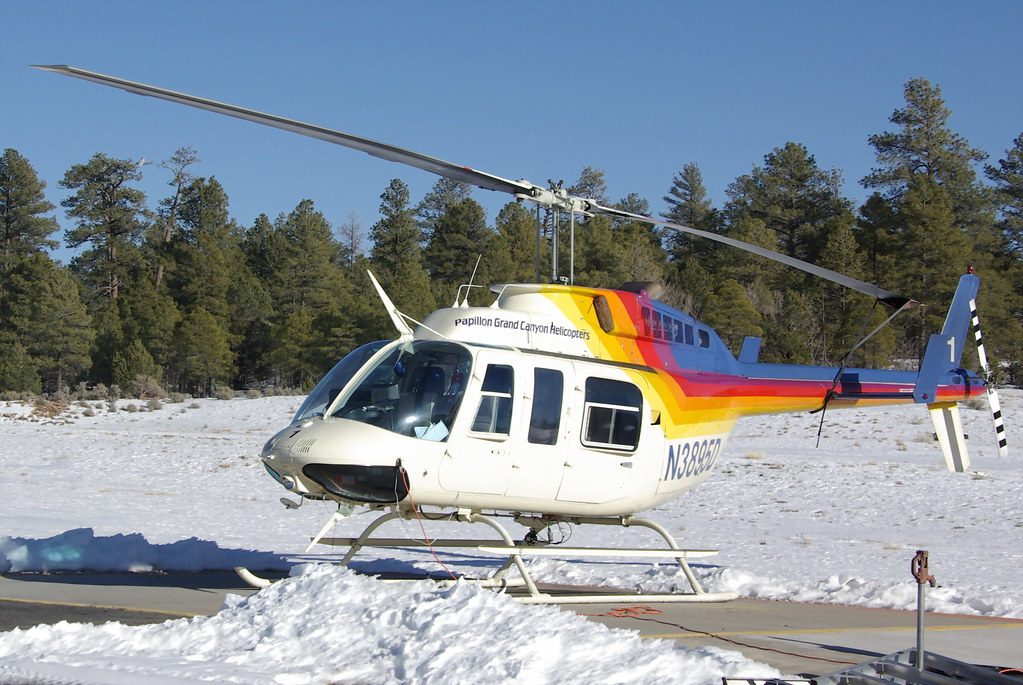
A $1.2 billion cash deal with Kingswood Capital Management hands Kautex and Textron Specialized Vehicles to private equity, leaving Cessna, Beechcraft, Bell and Textron Systems

Overview

Updated 1 hour ago

For decades Textron sold Cessna jets and Bell helicopters alongside golf carts, plastic fuel tanks and turf mowers. On Nov. 18 it agreed to sell that second half of the business to a private equity buyer for $1.2 billion in cash.

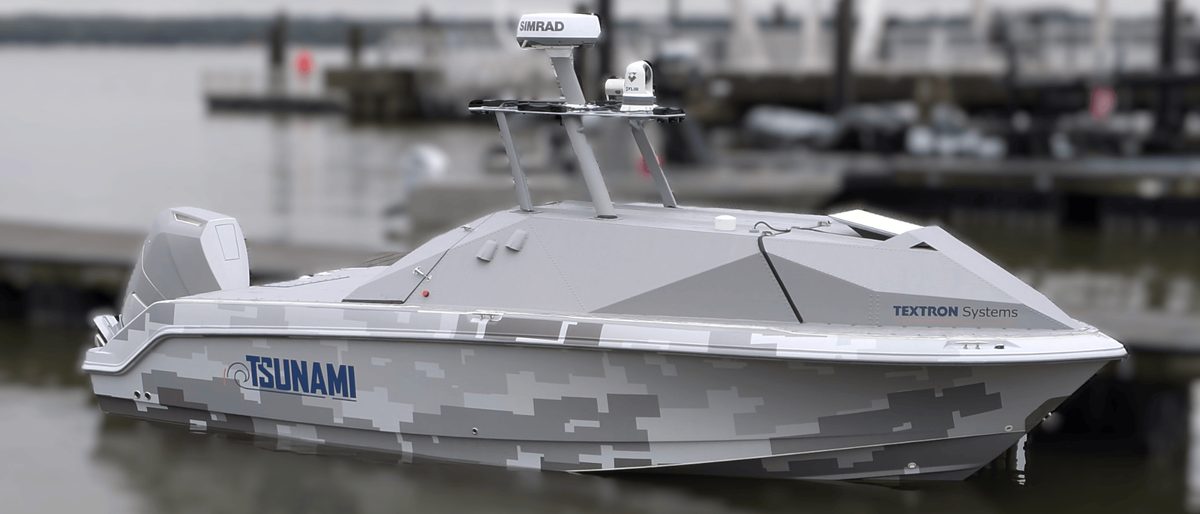
The buyer is an affiliate of Kingswood Capital Management, which gets Kautex, a car-parts supplier, and Textron Specialized Vehicles, maker of E-Z-GO golf carts, airport baggage tractors and Jacobsen mowers. What remains is a company focused only on aerospace and defense: Textron Aviation, Bell and Textron Systems, with more than $12 billion in expected 2026 revenue, $19 billion of backlog, and a board that authorized buying back up to 35 million shares.

Why it matters

Textron is betting Cessna jets and Bell helicopters are worth more than golf carts and car parts. Kingswood gets to test the other side.

Questions about this story

Free account needed to ask — your question is kept and asked for you right after sign-up. Answers are public.

No questions yet — be the first to ask.

Key Indicators

$1.2B
Sale price for Textron's Industrial segment
Cash price in the definitive agreement signed Nov. 18, 2026.
$1.1B
Expected net cash proceeds to Textron
After taxes and transaction-related expenses.
$19B
Backlog for the remaining aerospace and defense business
Textron's figure for what it calls New Textron after the sale.
$765M
Industrial segment revenue, third quarter 2026
Up 1% from the same quarter a year earlier.
~$3B
Projected 2026 Industrial sales before the sale
Textron's own estimate when it put the unit up for sale in April.
$350M–$400M
Non-cash impairment charge expected in the fourth quarter of 2026
Includes about $175 million of cumulative foreign currency translation adjustments, per Textron's securities filing.
35 million
Shares Textron's board authorized to repurchase
Replaces the authorization approved in February 2026 and covers buybacks tied to the divestiture.

Voices

Curated perspectives — historical figures and your fellow readers.

Sign up to generate historical perspectives on this story.

People Involved

Organizations Involved

Timeline

2025 November 2026

6 events Latest: 2 days ago
Tap a bar to jump to that date
  1. Deal terms and segment results reported

    Latest Coverage

    Manufacturing Dive reports the sale, the segment's $765 million in third-quarter revenue, and its move to discontinued operations.

  2. Kingswood signs $1.2 billion deal

    Deal

    Textron agrees to sell Kautex and Textron Specialized Vehicles to a Kingswood affiliate for $1.2 billion in cash and authorizes repurchase of up to 35 million shares.

  3. Textron wins DARPA carbon contract

    Contract

    Textron is awarded Phase 1 of the Defense Advanced Research Projects Agency's Carbon Crunch program and sets up a Wilmington, Massachusetts facility to support it.

  4. CEO says separation stays on schedule

    Earnings

    On the third-quarter call, Lisa Atherton says she is pleased with progress and expects to hold the 12-to-18-month timeline.

  5. Textron plans industrial separation

    Strategy

    Textron says it will separate its Industrial segment within 12 to 18 months, weighing a sale or a tax-free spinoff.

  6. Textron exits powersports

    Divestiture

    Textron completes the sale of its powersports unit after reviewing strategic alternatives for the segment.

Scenarios

1

Kingswood closes the purchase in the first half of 2027

Likely Resolves by Q2 2027

Discussed by: Textron's Nov. 18 announcement and Morningstar's deal coverage

Textron set the first half of 2027 as its target and says the agreement has no financing contingency. The remaining step is regulatory approval in the countries where Kautex and Textron Specialized Vehicles operate. Early in 2027, Textron's annual report will restate the segment as discontinued operations, giving the clearest picture of what the sale costs and what the remaining business earns.

2

Closing slips past mid-2027 but the deal survives

Possible Resolves by Nov 18, 2027

Discussed by: Textron's securities filing, which sets a Nov. 18, 2027 termination date

Industrial businesses with plants in multiple countries can draw lengthy competition and foreign-investment reviews. A slip past June would push the sale into the second half of 2027 while keeping it alive. Textron would carry the segment as held for sale for longer, and the buyback funded by the proceeds would wait.

3

The agreement is terminated without a sale

Unlikely Resolves by Nov 18, 2027

Discussed by: Textron's filing describing the termination rights on both sides

Either party can walk away if the deal has not closed by Nov. 18, 2027. A regulator blocking the combination, or a buyer unable to complete the purchase, would end the transaction and leave Textron holding a business it has already told investors it intends to exit. The company would then have to revive a spinoff or find another buyer.

Historical Context

3 moments from history that rhyme with this story — and how they unfolded.

November 2021 - April 2024

General Electric's three-way split (2021-2024)

GE said in November 2021 that it would divide into three public companies covering aviation, health care and energy, after years of shedding finance and appliance units. Each piece was to stand on its own balance sheet rather than compete for capital inside one company.

Then

GE HealthCare was spun off in January 2023, and GE Vernova followed in April 2024.

Now

GE Aerospace kept the jet-engine business and emerged smaller and more profitable. Investors valued the pieces separately rather than as a conglomerate.

Why this matters now

Textron is making the same trade: give up diversified revenue in exchange for a single-industry valuation.

1995 and 2011

ITT Corporation's two breakups (1995 and 2011)

ITT split in 1995 into an insurer, an industrial manufacturer and a hotels-and-gambling company. In 2011 it divided again into ITT, water-equipment maker Xylem and defense contractor Exelis.

Then

Each piece began trading separately, and Harris bought Exelis in 2015.

Now

The separated businesses set their own strategy and raised capital without competing against sibling units for it.

Why this matters now

ITT kept its defense business and spun off the rest. Textron is doing the reverse arithmetic, keeping Bell and Textron Systems while selling the industrial lines.

April 2020

United Technologies sheds Carrier and Otis, then merges with Raytheon (2020)

United Technologies spun off its elevator business, Otis, and its air-conditioning business, Carrier, then combined its aerospace units with Raytheon to form Raytheon Technologies.

Then

The merged company became one of the largest defense contractors, and Carrier and Otis began trading on their own.

Now

The aerospace business stopped subsidizing cyclical building-equipment units, and each company reported results investors could compare directly with peers.

Why this matters now

It shows the end state Textron is aiming at: an aerospace and defense company without slower industrial units attached to it.

Sources

(7)