
Logo
Daily Brief
Following
Why
The $1.3B Collision: How Private Equity Is Swallowing America's Auto Body Shops

The $1.3B Collision: How Private Equity Is Swallowing America's Auto Body Shops

Boyd Group's acquisition of Joe Hudson's marks the latest megadeal in a sector racing toward oligopoly

Overview

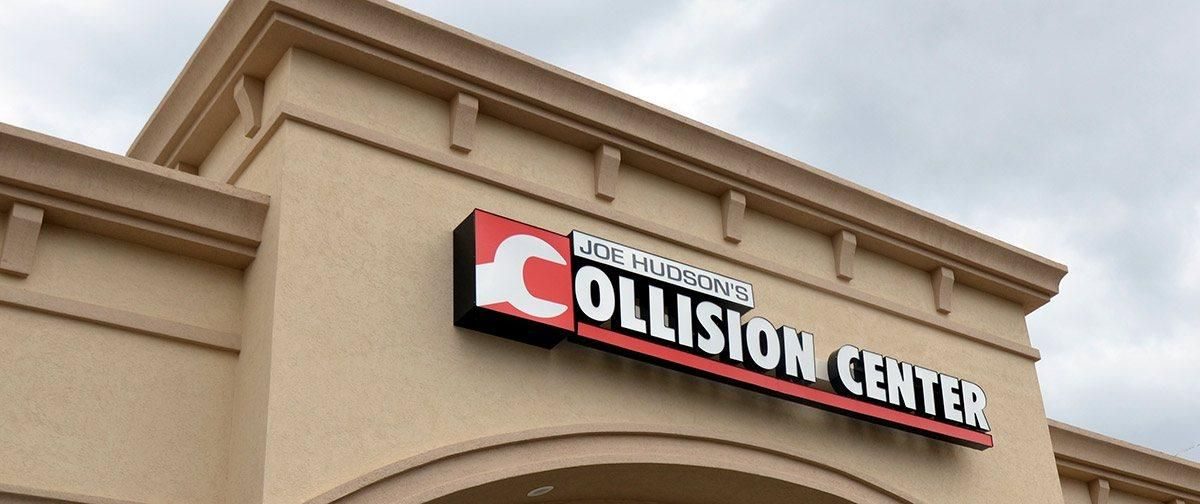
Boyd Group just closed a $1.3 billion deal to buy Joe Hudson's Collision Center—258 shops across the Southeast—from private equity firm TSG Consumer Partners. The transaction pushes Boyd to exactly 1,301 locations across North America, cementing its position as the industry's second-largest player behind Caliber Collision's 1,800 shops. It's the biggest collision repair acquisition since Crash Champions absorbed Service King for $2 billion in 2022. Days before Boyd's deal closed, The Riverside Company acquired Certified Collision Group from Incline Equity Partners in another private equity handoff signaling relentless capital rotation in the sector.

This isn't a story about one deal. It's about an entire industry being remade by financial engineering. Private equity has poured over $9 billion into collision repair consolidation in recent years. The Big Five consolidators now control 31.7% of industry revenue and 13.3% of shop locations—up from 30% revenue share just six months earlier. Independent shops are dying at 800 per year. Industry experts predict consolidators will control over 50% of the market within a decade, and 2026 is poised to accelerate that timeline: analysts count nine new consolidators entering the market in just the last 30 days, while industry insiders predict Q1 2026 will 'take off like a rocket' as deals that slowed in 2025 close rapidly.

Key Indicators

$1.3B
Deal Size
Largest collision repair acquisition since 2022 Crash Champions-Service King merger
1,301
Boyd Locations
Total footprint after Joe Hudson's integration, 25% increase from pre-deal count
800
Independent Shops Closed
Number of single-location shops that shut down in 2024 alone
31.7%
Big Five Revenue Share
Market concentration among top consolidators, up from 30% six months ago
13.3%
Big Five Shop Share
Percentage of all collision repair locations controlled by top 5 consolidators
9
New Consolidators (30 Days)
Number of new private equity-backed roll-ups entering market in last month alone

People Involved

Tim O'Day
Tim O'Day
CEO, Boyd Group Services (outgoing) (Transitioning to advisory role in May 2025 after closing largest acquisition in company history)
Brian Kaner
Brian Kaner
President & CEO, Boyd Group Services (Current CEO overseeing Joe Hudson's integration and positioning company for continued 2026 M&A activity)
Joe Hudson
Joe Hudson
Co-founder, Joe Hudson's Collision Center (Built and sold 258-location chain in $1.3B exit to Boyd Group)

Organizations Involved

BO
Boyd Group Services Inc.
Multi-Shop Consolidator (Public)
Status: Second-largest collision repair operator in North America with exactly 1,301 locations after Joe Hudson's integration

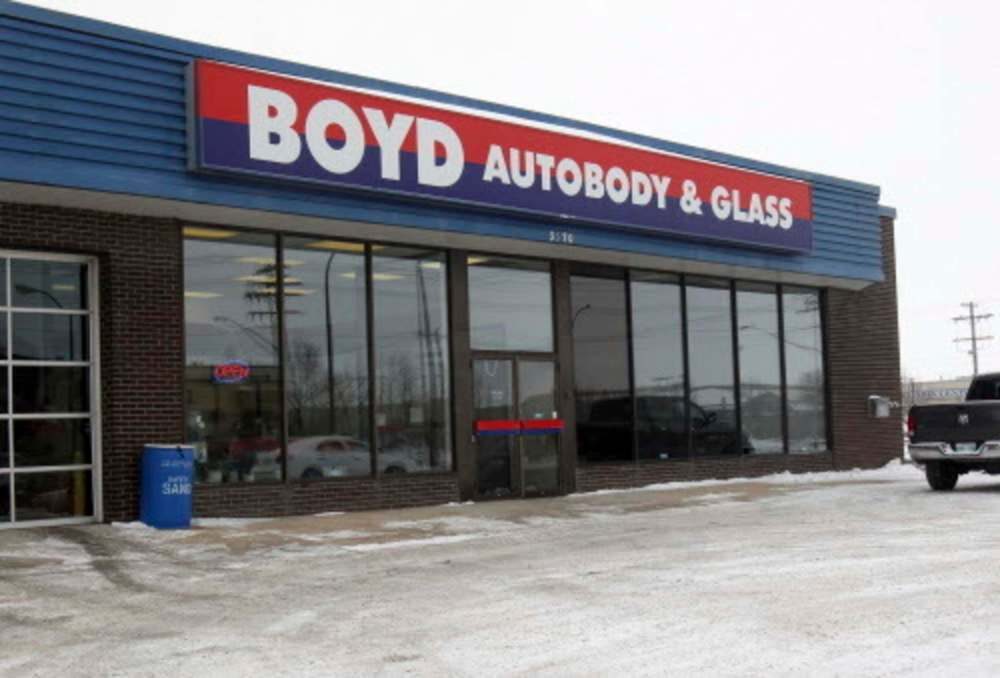
Canada-based collision repair consolidator operating Gerber Collision & Glass, Boyd Autobody, and other brands.

JO
Joe Hudson's Collision Center
Private Equity-Backed Multi-Shop Operator
Status: Acquired by Boyd Group for $1.3 billion after private equity exit

Southeast-focused collision repair chain that grew from 23 to 258 locations under private equity ownership.

TS
TSG Consumer Partners
Private Equity Firm
Status: Completed exit from collision repair sector via $1.3B Boyd sale

San Francisco-based PE firm specializing in consumer sector roll-ups and exits.

CA
Caliber Collision
Multi-Shop Consolidator (Private Equity-Backed)
Status: Industry leader with 1,800+ locations, majority-owned by Hellman & Friedman

Largest collision repair consolidator in North America with approximately $7.85 billion in estimated revenue.

CR
Crash Champions
Multi-Shop Consolidator (Private Equity-Backed)
Status: Third-largest consolidator with 550+ locations after Service King merger

Major consolidator backed by Clearlake Capital, created through 2022 merger with Service King.

CE
Certified Collision Group
Private Equity-Backed Multi-Shop Operator
Status: Acquired by The Riverside Company from Incline Equity Partners in January 2026

Regional collision repair consolidator that changed hands between private equity firms.

TH
The Riverside Company
Private Equity Firm
Status: Active in collision repair sector with Certified Collision Group acquisition

Global private equity firm investing in smaller, defensible market-leading companies.

VE
Vella Group
Private Equity-Backed Multi-Shop Operator (UK)
Status: Received investment from Ama Capital and Keyhaven Capital Partners for expansion

UK-based collision repair operator with 18 locations in northwest England and the Midlands.

Timeline

  1. Boyd Closes $1.3B Joe Hudson's Acquisition

    Acquisition

    Transaction completes, expanding Boyd to 1,270+ locations across North America with expected $35-45M annual synergies.

  2. Riverside Acquires Certified Collision Group

    Acquisition

    The Riverside Company purchases Certified Collision Group from Incline Equity Partners, marking another private equity rotation in collision repair sector days before Boyd-Joe Hudson's closing.

  3. UK Consolidation: Vella Group Secures Private Equity Backing

    Investment

    Ama Capital and Keyhaven Capital Partners invest in 18-location UK collision repair operator Vella Group for management buyout and expansion, signaling consolidation trend going international.

  4. Regulators Approve Boyd-Joe Hudson's Deal

    Regulatory

    Final regulatory approval granted for Boyd's acquisition of Joe Hudson's, clearing path for January 9 closing.

  5. Boyd Announces $1.3B Joe Hudson's Acquisition

    Acquisition

    Boyd Group Services signs definitive agreement to acquire 258-location Joe Hudson's Collision from TSG Consumer Partners for $1.3 billion.

  6. Boyd Announces CEO Succession Ahead of Major Deal

    Leadership

    Boyd Group names Brian Kaner as incoming CEO effective May 2025, replacing Tim O'Day who led aggressive expansion strategy.

  7. Private Equity Pours $9B+ Into Collision Repair

    Investment

    Over $9 billion in private equity capital floods collision repair sector, including Caliber's $4.6B debt refinancing—the largest single transaction in industry history.

  8. Independent Shop Die-Off Accelerates

    Market Dynamics

    Nearly 800 independent single-location collision shops close in 2024 amid declining revenues, rising total loss rates, and consolidator pressure.

  9. Crash Champions Absorbs Service King in $2B+ Mega-Merger

    Acquisition

    Clearlake Capital backs Crash Champions' acquisition of Service King's 330 locations, creating 550+ shop consolidator with over $2B annual revenue.

  10. TSG Acquires Joe Hudson's in Private Equity Entry

    Acquisition

    TSG Consumer Partners buys Joe Hudson's Collision Center from Carousel Capital at 110 locations across 9 states, launching consolidation phase.

Scenarios

1

Big Three Oligopoly Controls 50%+ of Market by 2030

Discussed by: Focus Advisors, industry analysts tracking consolidation trends

Caliber, Boyd/Gerber, and Crash Champions continue acquiring regional players and independent shops at current pace. By 2029, the top three consolidators grow from 27% market share to 37%, then push past 50% by 2031. Remaining independents survive only in niches or sell to private equity roll-ups. Insurance companies increasingly partner exclusively with large consolidators for Direct Repair Programs, freezing out smaller shops. Pricing power shifts decisively to consolidators, potentially raising consumer costs but improving repair standardization.

2

Caliber IPO Triggers Acquisition Slowdown

Discussed by: Financial analysts noting Caliber's $4.6B refinancing and executive hiring

Hellman & Friedman takes Caliber public in 2026-2027 after debt restructuring and management upgrades. Public market scrutiny forces focus on profitability over growth, slowing Caliber's acquisition pace. Boyd and Crash Champions pause major deals to digest recent additions. The breather allows mid-sized consolidators and well-capitalized independents to stabilize. Private equity shifts strategy from mega-deals to building smaller regional platforms for eventual sale to the Big Three when M&A appetite returns.

3

Insurance Companies Launch Captive Repair Networks

Discussed by: Industry observers concerned about consolidator pricing power

As consolidators gain leverage through market concentration, major insurers like State Farm, Geico, and Progressive respond by acquiring or building their own collision repair chains. Vertical integration lets insurers control costs and customer experience directly, similar to UnitedHealth owning clinics. This fractures the market: consolidators fight for independent insurance company volume while insurers' captive shops handle their own claims. Independent shops caught in the middle face extinction unless they align with one ecosystem or the other.

4

Regulatory Intervention Halts Mega-Mergers

Discussed by: Antitrust advocates watching FTC scrutiny of private equity roll-ups across sectors

Federal regulators, concerned about market concentration's impact on pricing and consumer choice, block or heavily condition future billion-dollar collision repair acquisitions. The FTC applies increased scrutiny to private equity-backed consolidation following broader crackdowns on serial roll-up strategies. Boyd's Joe Hudson's deal becomes the last mega-acquisition approved. Future growth must come from single-shop add-ons and greenfield openings, slowing consolidation. Independent shops get breathing room, but the Big Five's existing scale advantages persist.

5

New Consolidator Wave Fragments Market Before Big Three Absorb Them

Discussed by: Industry analysts tracking Q1 2026 'rocket launch' of M&A activity

The nine new consolidators entering the market in the last 30 days represent a wave of smaller private equity roll-ups targeting regional markets. These mid-tier players rapidly acquire independent shops across specific geographic clusters for 2-4 years, then sell their 20-100 location platforms to Boyd, Caliber, or Crash Champions at premium multiples. This two-tier consolidation accelerates the death of true independents while creating profitable exit opportunities for smaller PE firms. By 2028-2029, the Big Three acquire most of these regional platforms in billion-dollar deals similar to Boyd-Joe Hudson's, leapfrogging to 50%+ market share faster than organic growth alone would allow.

Historical Context

Eyewear Consolidation: Luxottica Builds Vertical Monopoly

1990s-2018

What Happened

Italian eyewear company Luxottica executed a three-decade consolidation strategy, acquiring manufacturers (Ray-Ban, Oakley), retailers (LensCrafters, Sunglass Hut, Target Optical), and vision insurance (EyeMed). By 2018, Luxottica controlled roughly 80% of major eyewear brands and a massive retail distribution network. The company merged with Essilor, the dominant lens manufacturer, to create EssilorLuxottica—a vertically integrated giant criticized for inflated prices.

Outcome

Short term: Luxottica achieved dominant market position with pricing power across manufacturing, retail, and insurance.

Long term: Consumer advocates blamed consolidation for keeping eyeglass prices artificially high; limited competition persists today.

Why It's Relevant

Shows how fragmented service industries consolidate toward oligopoly when private equity and strategic buyers systematically acquire competitors, creating pricing power that hurts consumers.

Dental Practice Roll-Ups: Private Equity Enters Healthcare Services

2000s-Present

What Happened

Private equity firms discovered dental practices offered predictable cash flows and fragmented markets ripe for consolidation. Firms like Aspen Dental and Heartland Dental grew from single locations to hundreds through aggressive acquisitions. Dentists sold practices for liquidity while staying on as employees. By 2020, corporate-owned practices represented 15-20% of U.S. dentistry, with continued growth. Critics alleged quality declined and unnecessary procedures increased as profit metrics replaced professional judgment.

Outcome

Short term: Consolidators achieved economies of scale in purchasing, marketing, and administration; selling dentists captured liquidity.

Long term: Ongoing debate over whether corporatization improves access and efficiency or degrades care quality and professional autonomy.

Why It's Relevant

Collision repair follows the identical playbook: private equity identifies fragmented service sector, builds regional platforms, executes roll-ups, exits to larger buyers or IPOs.

Funeral Home Consolidation: Service Corporation International

1980s-Present

What Happened

Service Corporation International pioneered the 'death care' roll-up strategy, acquiring over 1,500 funeral homes and 400 cemeteries across North America. The company bought family-owned funeral homes, often keeping the original names to preserve local trust while centralizing purchasing, embalming facilities, and administration. SCI achieved massive economies of scale but faced repeated accusations of price gouging grieving families and engaging in deceptive sales practices.

Outcome

Short term: SCI became the world's largest funeral services provider with significant pricing power in concentrated markets.

Long term: Regulatory investigations and consumer backlash over pricing; consolidation continues but with increased scrutiny.

Why It's Relevant

Demonstrates how consolidators in essential but infrequent services can exploit information asymmetry and emotional vulnerability—dynamics also present when insurers direct crash victims to consolidator networks.

22 Sources: