
Pull to refresh
Logo
Jimmy Carter family farm sold for public conservation

Jimmy Carter family farm sold for public conservation

Money Moves

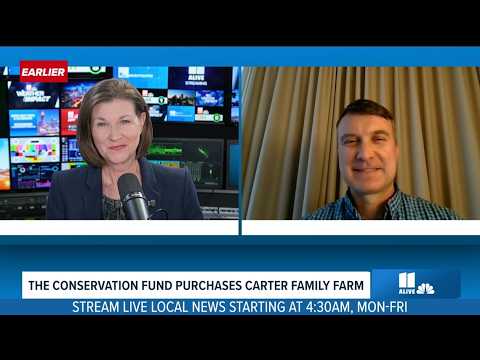
The Conservation Fund bought the Georgia farmland and plans to transfer it to the state by 2028.

Overview

Updated 1 hour ago

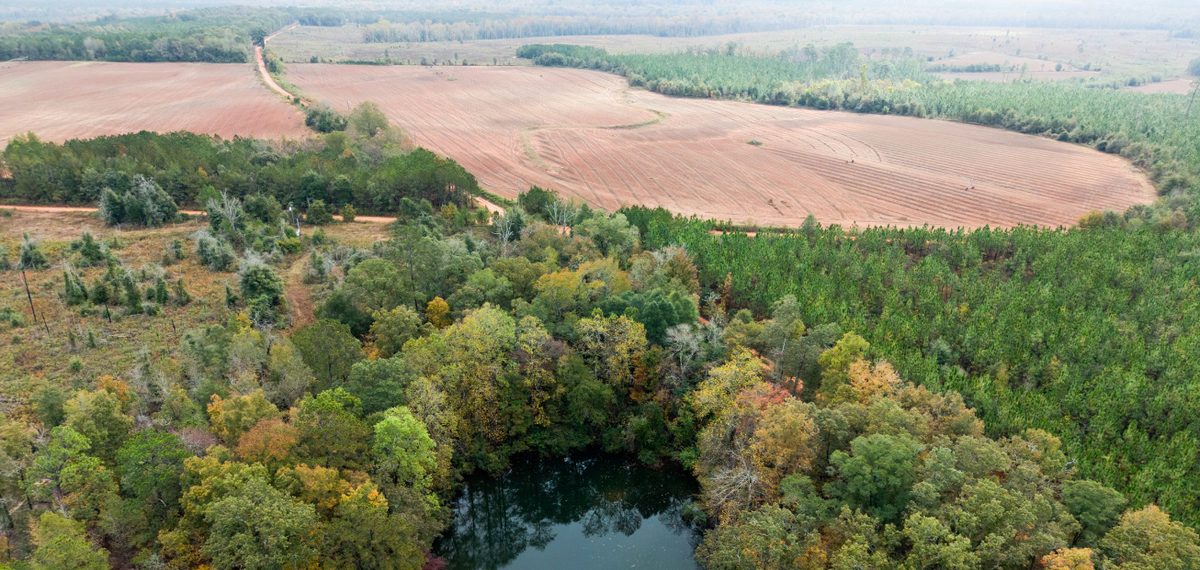
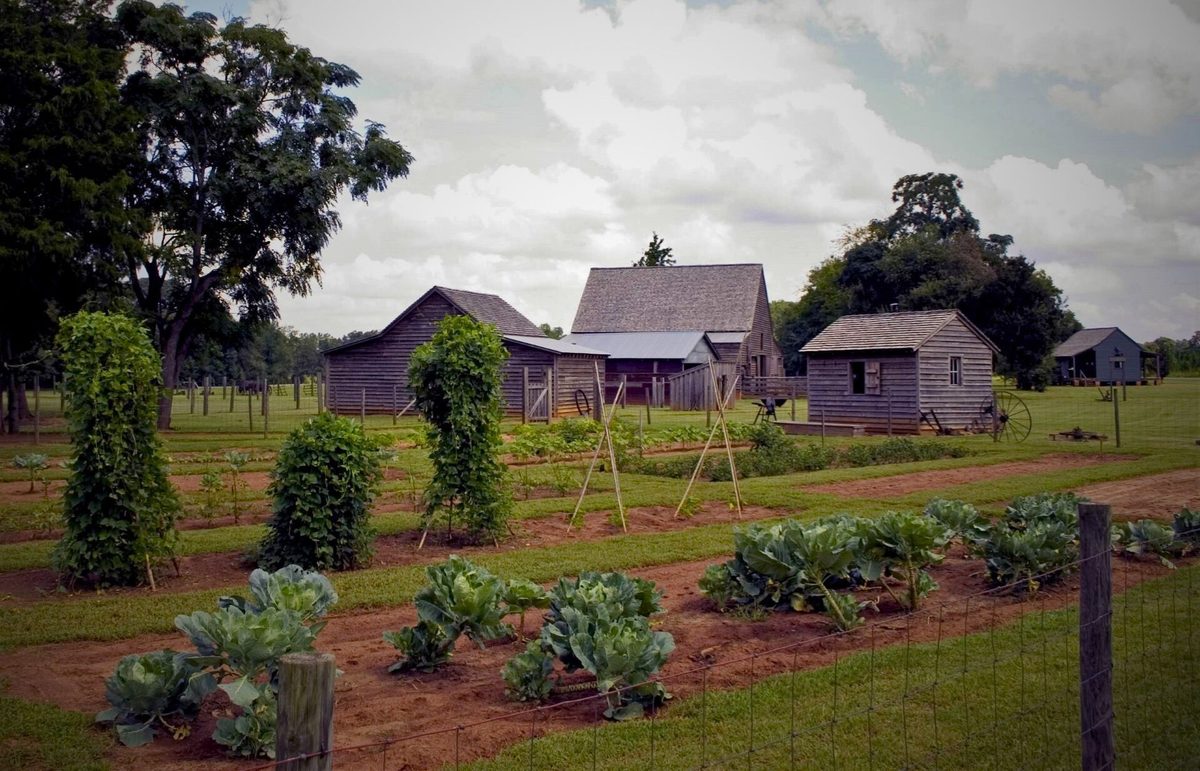
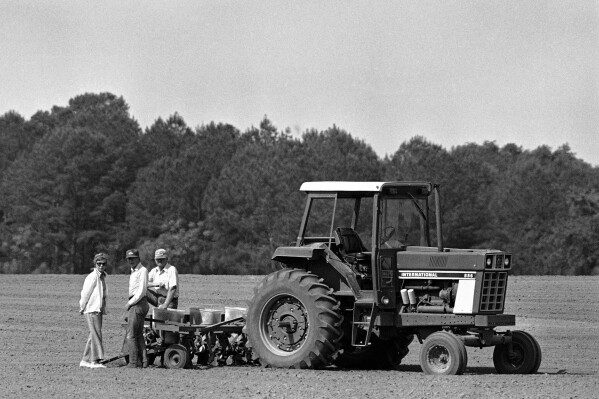
The Conservation Fund bought 2,458 acres of farmland and forest outside Plains, Georgia, including the family farm where Jimmy Carter grew peanuts. The nonprofit paid roughly $8 million and plans to turn the land into public wildlife habitat.

The tract will expand Lanahassee Creek Wildlife Management Area to nearly 7,000 acres. Public hunting and fishing could open as soon as 2027, with Georgia's Department of Natural Resources scheduled to take ownership in 2028.

Why it matters

The farmland that shaped Jimmy Carter's conservation views will become public hunting and fishing land instead of private forest.

Questions about this story

Free account needed to ask — your question is kept and asked for you right after sign-up. Answers are public.

No questions yet — be the first to ask.

Key Indicators

2,458 acres
Land acquired
Total purchase includes Carter family farmland and a neighboring tract.
~$8 million
Purchase price
Reported at roughly $8 million by Axios and $8.5 million by USA Today.
~7,000 acres
Expanded wildlife area
Lanahassee Creek Wildlife Management Area will grow to nearly this size.
2028
Scheduled state transfer
The Conservation Fund plans to hand ownership to Georgia's Department of Natural Resources.

Voices

Curated perspectives — historical figures and your fellow readers.

Sign up to generate historical perspectives on this story.

People Involved

Organizations Involved

Timeline

2019 November 2026

2 events Latest: 6 days ago
  1. Conservation Fund announces Carter farmland purchase

    Latest Land deal

    Nonprofit announces 2,458-acre purchase and plans 2027 public access, 2028 state transfer.

  2. Lanahassee Creek wildlife area established

    Conservation

    The fund helps Georgia establish the wildlife area for longleaf pine and gopher tortoise habitat.

Scenarios

1

Georgia takes ownership of Carter farm in 2028

Likely Resolves by End of 2028

Discussed by: The Conservation Fund and WSB-TV

The Conservation Fund has said it plans to transfer the tract to the Georgia Department of Natural Resources in 2028. The state agency would then manage the land as part of Lanahassee Creek Wildlife Management Area.

2

Public hunting and fishing open on Carter tract in 2027

Possible Resolves by End of 2027

Discussed by: The Conservation Fund

The fund expects to open the property for hunting, fishing and other recreation as soon as 2027, before the state takeover. Opening depends on public access rules and site preparation.

3

State takeover slips past 2028

Unlikely Resolves by Q2 2029

Discussed by: Stacy Funderburke, The Conservation Fund

If state funding or management capacity is not ready, the nonprofit could hold the land longer. Funderburke has said government agencies cannot always move as fast as a real estate deal requires.

Historical Context

2 moments from history that rhyme with this story — and how they unfolded.

December 1980

Alaska National Interest Lands Conservation Act (1980)

Carter signed the Alaska National Interest Lands Conservation Act in December 1980. The law protected more than 104 million acres of federal land in Alaska.

Then

It set aside national parks, wildlife refuges and wilderness areas.

Now

The law became a defining part of Carter's conservation record.

Why this matters now

The farm purchase extends that conservation approach to the land where Carter grew up.

2019

Lanahassee Creek Wildlife Management Area (2019)

The Conservation Fund helped Georgia establish Lanahassee Creek Wildlife Management Area in 2019. The area protects longleaf pine forest and habitat for the threatened gopher tortoise.

Then

It gave the state a managed habitat block in southwest Georgia.

Now

The new purchase expands the area to nearly 7,000 acres.

Why this matters now

The Carter tract will be added to the same management area.

Sources

(5)