


Pull to refresh
Logo
Ferrovial-led group wins I-285 express lanes contract in Georgia

Ferrovial-led group wins I-285 express lanes contract in Georgia

Built World

Consortium pays Georgia $23.6B for a 50-year deal to build and operate toll lanes on Atlanta's Perimeter loop

Today: Ferrovial confirms $8.9B express lanes award

Overview

Updated 2 hours ago

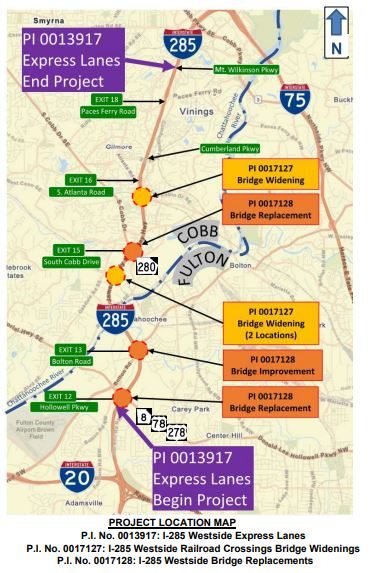
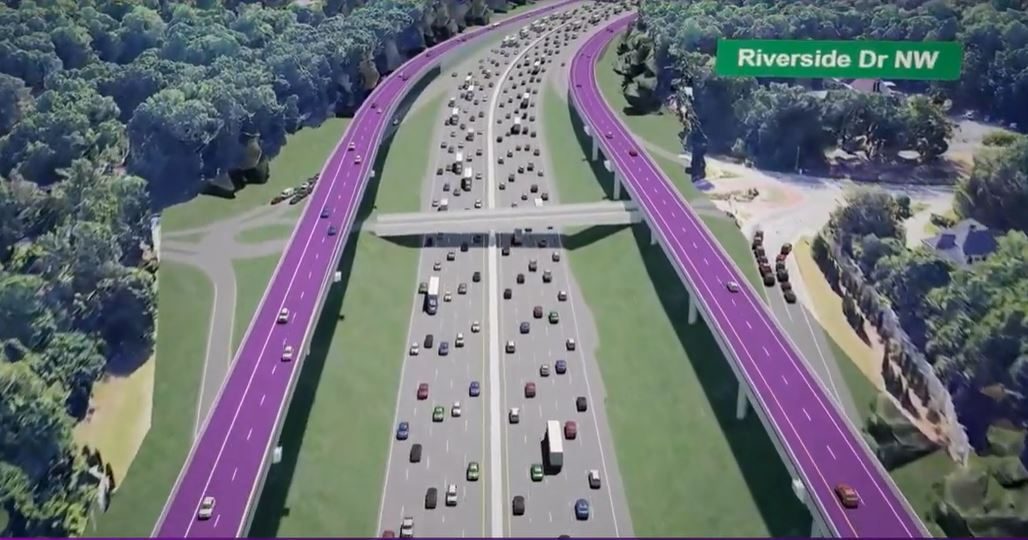
Georgia picked a Ferrovial-led consortium to rebuild the eastern top of Atlanta's I-285 perimeter loop with tolled express lanes. The deal is among the largest highway public-private partnerships in U.S. history: $8.9 billion in construction in exchange for 50 years of toll revenue.

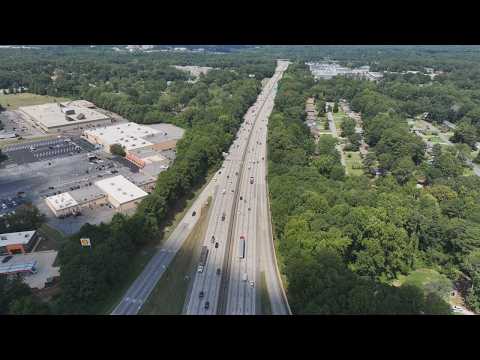
The group, Top End Mobility Group, will also pay Georgia a $23.6 billion concession fee plus $515 million in reimbursements. I-285 carries roughly 250,000 vehicles a day, and the state says congestion lasts about eight hours daily. Drivers who use the new express lanes will pay up to $2.06 per mile, set dynamically by traffic.

Why it matters

Georgia shifts the financial risk of an $8.9 billion highway rebuild from taxpayers to private investors, in exchange for 50 years of toll revenue on Atlanta's most congested corridor.

Questions about this story

Free account needed to ask — your question is kept and asked for you right after sign-up. Answers are public.

No questions yet — be the first to ask.

Key Indicators

$8.9B
Phase 1 construction value
Design-and-build cost for the first segment of I-285 express lanes, funded privately, not by taxpayers.
$23.6B
Concession fee paid to Georgia
The consortium pays the state this fee, split into annual installments following financial close, for the right to collect tolls.
50 years
Concession term
Top End Mobility Group designs, builds, finances, operates, and maintains the lanes for five decades.
250,000
Daily vehicles on I-285
Current daily traffic; the state forecasts 25% growth over the next 15 years.
$2.06/mile
Soft-cap toll rate
Maximum initial toll per mile, adjustable by congestion; a hard cap of $4.12 per mile applies if speeds fall below 45 mph.

Voices

Curated perspectives — historical figures and your fellow readers.

Ever wondered what historical figures would say about today's headlines?

Sign up to generate historical perspectives on this story.

People Involved

Organizations Involved

Timeline

2 events Latest: Today
  1. Ferrovial confirms $8.9B express lanes award

    Today Announcement

    Ferrovial announces its consortium won the I-285 East Express Lanes Phase 1, its first managed lanes project in Georgia.

  2. State board approves Top End Mobility Group for I-285

    Decision

    Georgia State Transportation Board selects the Ferrovial-led group as Phase 1 developer, beating two other applicants.

Scenarios

1

Top End Mobility Group closes Phase 1 deal by December 2026

Likely Resolves by End of 2026

Discussed by: GDOT and Ferrovial, both of which stated the expected close date

GDOT says commercial close, including signing of agreements for Phase 1 and the remaining phases, is anticipated in December 2026, with financial close in 2027. If financing holds through the payment structure for the $23.6 billion concession fee, construction starts late 2027 and Phase 1 opens around 2034.

2

Financing pressure forces deal renegotiation before financial close

Unlikely Resolves by Q2 2027

Discussed by: Infrastructure finance press covering the P3's unprecedented scale

The $23.6 billion concession fee has no close precedent in U.S. highway P3s, and financial close is set for 2027. If credit markets tighten or the consortium cannot raise debt for the $8.9 billion build, the fee or project scope could be renegotiated to keep the deal viable.

3

Construction start slips past late 2027

Possible Resolves by End of 2027

Discussed by: AJC, which noted years of construction disruptions ahead for drivers

GDOT targets construction start in late 2027 and Phase 1 substantial completion in 2034. Permitting, utility relocation, and environmental review across roughly 20 miles of a live highway could push the start date, delaying the 2034 opening and extending the disruption window for commuters.

Historical Context

3 moments from history that rhyme with this story — and how they unfolded.

As of 2026

SR 400 Express Lanes P3 (ongoing as of 2026)

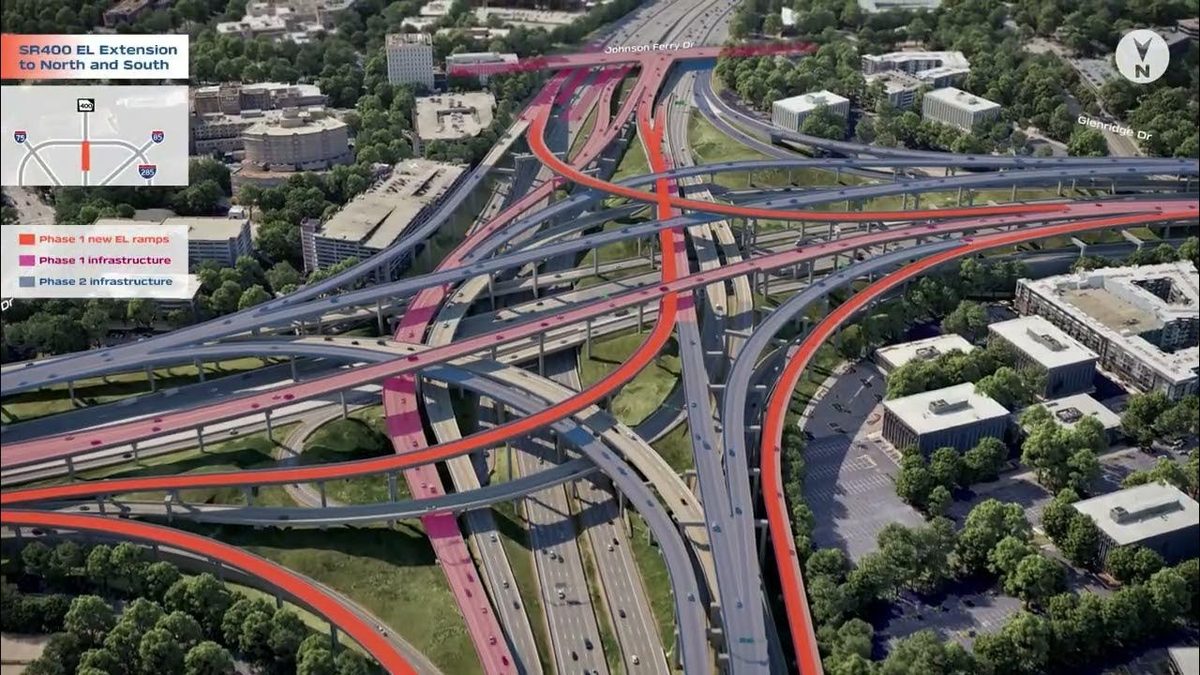
Georgia is applying the same public-private partnership model on State Route 400 north of Atlanta, where a consortium is building tolled express lanes currently under construction, per GDOT. The state uses the model for roads where private financing and toll revenue replace public funds.

Then

SR 400 is Georgia's working precedent for private construction and operation of express lanes on a major corridor.

Now

It establishes the legal and financial template the I-285 award copies, including dynamic tolling and the Peach Pass system.

Why this matters now

I-285 follows the SR 400 structure almost exactly, with a private developer building, financing, and operating the lanes for decades in exchange for toll revenue.

2000s-2020s

Georgia express lanes network (15+ years, four systems)

Georgia's Express Lanes program has grown to four operating systems on I-85 north of Atlanta, I-75 south, and I-75 and I-575 in the northwest, using the Peach Pass transponder. GDOT says the goal is an uninterrupted network of toll lanes around metro Atlanta.

Then

The existing lanes already give drivers a paid option to bypass congestion on several corridors.

Now

I-285 is the missing eastern link that would complete the express-lane loop around the region.

Why this matters now

The I-285 award is the largest single step toward finishing that network, and it connects to SR 400 and I-85 lanes already operating or under construction.

2010s-2020s

Ferrovial's U.S. managed lane portfolio (Dallas, Charlotte, Washington D.C.)

Ferrovial has delivered and operated express lanes in Dallas Fort Worth, Charlotte, and Washington, D.C., the company says. Those projects used the same concession model I-285 uses, with toll revenue repaying the private investment over a long term.

Then

Ferrovial gained operating experience with dynamic tolling and lane management across multiple U.S. markets.

Now

Georgia becomes Ferrovial's fourth U.S. managed-lane market, extending its North American highway footprint.

Why this matters now

That track record underpins the consortium's ability to bid on a project of I-285's size and to operate the lanes profitably for 50 years.

Sources

(9)