

Pull to refresh
Logo
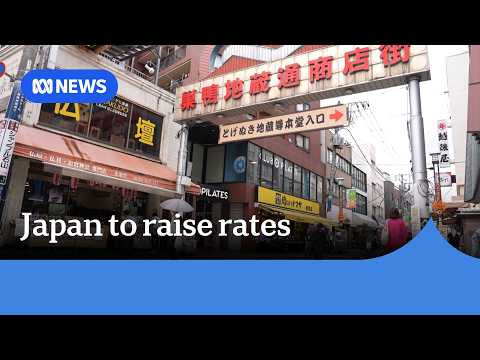
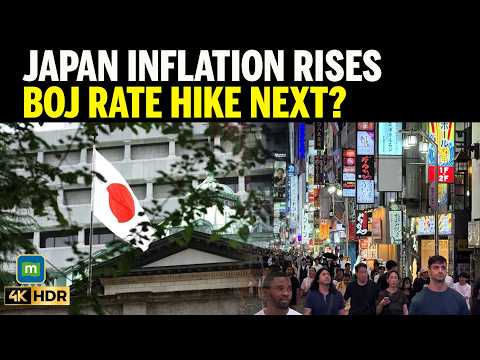
Tokyo inflation jumps to 2.7%, driving case for another BOJ hike

Tokyo inflation jumps to 2.7%, driving case for another BOJ hike

Money Moves

September core prices hit a 10-month high and topped the Bank of Japan's 2% target for the first time since January

3 days ago: Tokyo inflation jumps to 2.7%

Overview

Updated 2 hours ago

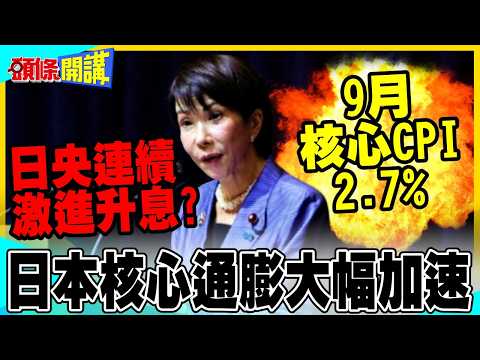
Tokyo's core inflation hit 2.7% in September, the fastest pace in 10 months and the first reading above the Bank of Japan's 2% target since January. It accelerated for a fourth straight month, led by food prices up 3.6% and a 65.6% spike in water fees as summer subsidies lapsed.

Tokyo's number leads nationwide price trends, and it beat the 2.4% markets expected. Service-sector inflation hit 2.3%, a sign firms are passing on labor costs, and traders now price an 82% chance of another rate hike in December.

Why it matters

Each BOJ hike pushes the yen and global borrowing costs higher; staying put leaves Japan's inflation running above target.

Questions about this story

Free account needed to ask — your question is kept and asked for you right after sign-up. Answers are public.

No questions yet — be the first to ask.

Key Indicators

2.7%
Tokyo core CPI, September (year-on-year)
Fastest pace in 10 months; above the BOJ's 2% target for the first time since January.
3.0%
Core-core inflation (ex fresh food and fuel)
The BOJ's gauge of trend inflation, its fastest rise since August 2025.
82%
Market-implied probability of a December BOJ hike
Totan ICAP data cited October 2; only about 17% priced for October.
1.25%
BOJ policy rate
Raised September 18 from 1.0%, the highest level in 31 years.
2.3%
Tokyo service-sector inflation
Up from 1.4% in August, signaling firms are passing on rising labor costs.

Voices

Curated perspectives — historical figures and your fellow readers.

Ever wondered what historical figures would say about today's headlines?

Sign up to generate historical perspectives on this story.

People Involved

Organizations Involved

Timeline

March 2024 October 2026

3 events Latest: 3 days ago
  1. Tokyo inflation jumps to 2.7%

    Latest Economic Data

    September core CPI hits fastest pace in 10 months, first time above 2% target since January.

  2. BOJ hikes to 31-year high

    Monetary Policy

    Policy rate raised to 1.25% from 1.0% as underlying inflation firms toward target.

  3. BOJ exits negative rates

    Monetary Policy

    First rate increase in 17 years begins Japan's normalization cycle.

Scenarios

1

BOJ delivers December rate hike to 1.5%

Likely Resolves by Dec 18, 2026

Discussed by: Market pricing (Totan ICAP, 82%) and Sompo Institute Plus economist Masato Koike

If September's nationwide CPI on October 22 confirms Tokyo's trend and Ueda signals readiness, the BOJ raises the overnight call rate to 1.5% at its December meeting. Koike expects the hike, citing Middle East-driven energy costs and second-round effects on wages and services.

2

BOJ catches markets with an October hike

Unlikely Resolves by Oct 31, 2026

Discussed by: Market pricing (Totan ICAP, 17%)

Ueda could move at the October 29-30 meeting if he judges that waiting risks an inflation overshoot. The September meeting summary flagged upside risks to prices and said financial conditions remain accommodative, language that supports a follow-on move.

3

BOJ holds as subsidy-driven spike fades

Possible Resolves by End of 2026

Discussed by: Analysts noting the jump partly reflects expiring water and childcare subsidies

Part of September's jump came from one-off effects, including water fees rising 65.6% as summer subsidies lapsed. If those base effects reverse and Middle East energy costs ease, headline inflation could fall back toward target, letting the BOJ hold through year-end despite today's market pricing.

Historical Context

2 moments from history that rhyme with this story — and how they unfolded.

May 1989 - August 1990

Japan's tightening into the bubble (1989-90)

The BOJ raised its discount rate from 2.5% to 6% to cool a stock and real estate bubble, after the Nikkei had tripled in five years. Land prices had soared to extraordinary levels.

Then

The hikes pricked the bubble. Stocks fell sharply and land prices began a long decline.

Now

The aftermath contributed to a decade of stagnation and deflation that the BOJ spent 30 years fighting.

Why this matters now

It is the cautionary backdrop to today's normalization: tighten too fast and risk the economy; tighten too slowly and let inflation unanchor.

March 2022 - July 2023

The US Federal Reserve's 2022-23 tightening

The Federal Reserve raised its benchmark rate from near zero to 5.25-5.5%, its fastest cycle in decades, to fight inflation that crested above 9%.

Then

Core inflation fell from above 5% toward the 2-3% range without a hard recession through 2024.

Now

It became a model for how a major central bank can normalize policy through a cost shock without clear overshoot.

Why this matters now

Shows the prize if the BOJ times its hikes well, and that gaps between forecasts and outcomes are common in tightening cycles.

Sources

(6)