

Pull to refresh
Logo
Bank of Japan raises rates to 31-year high

Bank of Japan raises rates to 31-year high

Rule Changes

BOJ lifts policy rate to 1.25% amid persistent inflation and a weak yen

Today: BOJ hikes to 1.25%, a 31-year high

Overview

Updated 1 hour ago

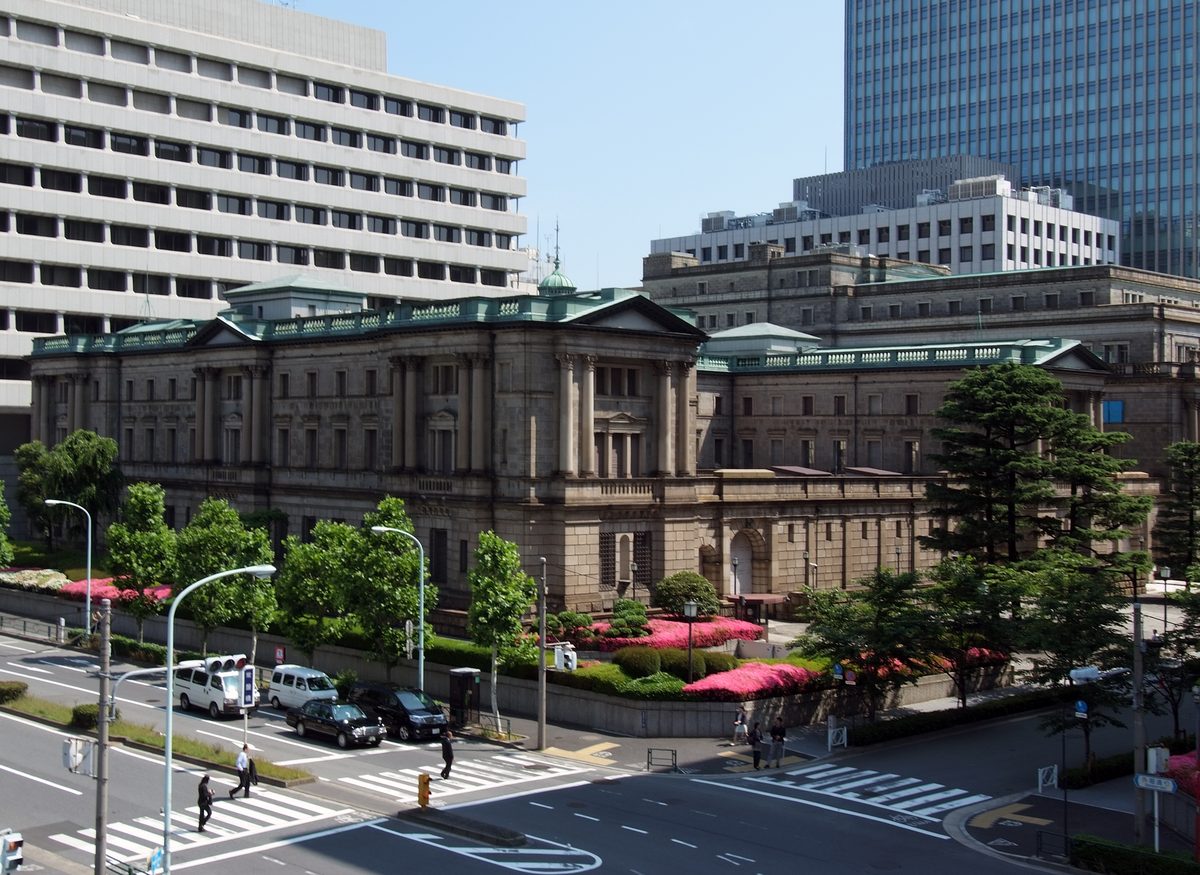
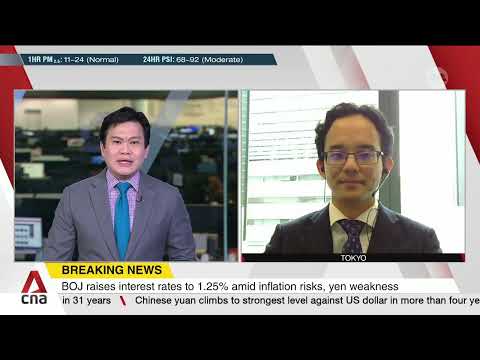
The Bank of Japan raised its benchmark interest rate to 1.25% on Friday, the highest level since 1995 and the fastest pace of hikes since the early '90s. The vote was 7-2.

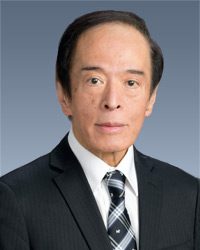
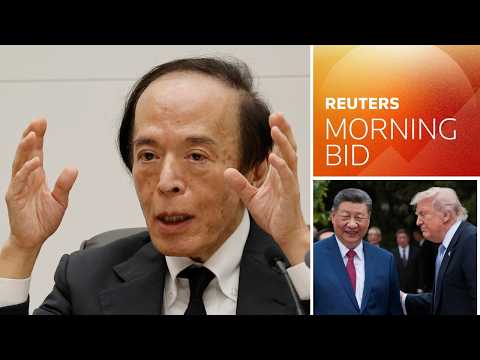
The hike comes amid a global tightening wave: energy prices spiked as the Iran war disrupted shipments through the Strait of Hormuz, hitting import-dependent Japan hard. With core inflation at 1.7% and the yen at a 40-year low, Governor Kazuo Ueda said policy has entered 'a new phase.'

Why it matters

If the BOJ keeps hiking, Japan's borrowing costs rise for the first time in three decades—hitting households, businesses, and global bond markets.

Questions about this story

Free account needed to ask — your question is kept and asked for you right after sign-up. Answers are public.

No questions yet — be the first to ask.

Key Indicators

1.25%
BOJ policy rate
Highest level since April 1995; hiked six times since March 2024.
1.7%
Core inflation (August 2026(
Down slightly from 1.8% in July, but close to the bank's 2% target.
6
Rate hikes since March 2024
From -0.1% to 1.25% in about 30 months—the fastest normalization in 36 years.

Voices

Curated perspectives — historical figures and your fellow readers.

Ever wondered what historical figures would say about today's headlines?

Sign up to generate historical perspectives on this story.

People Involved

Organizations Involved

Timeline

March 2024 September 2026

5 events Latest: Today
Tap a bar to jump to that date
  1. BOJ hikes to 1.25%, a 31-year high

    Today Policy

    Seven-to-two vote; two board members dissented. Fastest pace since 1990, with three-month gap between hikes.

  2. US Federal Reserve hikes rates

    Policy

    Fed raises benchmark rate for the first time in over three years, joining BOJ and ECB in tightening.

  3. Yen hits 40-year low

    Market

    Tokyo and Washington jointly intervene to halt the yen's slide—the first coordinated action since 2011.

  4. BOJ raises rate to 1%

    Policy

    Previous hike, roughly three months before September's move.

  5. BOJ ends negative interest rates

    Policy

    First rate hike in 17 years, lifting policy rate from -0.1% to around 0%.

Scenarios

1

BOJ Pauses Hikes as Inflation Cools

Possible Resolves by End of 2026

Discussed by: Economists noting inflated near target and slowing price momentum

If core inflation slips below the 2% target's threshold and energy prices stabilize, Ueda may hold rates through year-end. The two dovish dissenters' stance gains credibility, and further hikes stall.

2

BOJ Hikes Again in December

Likely Resolves by End of 2026

Discussed by: Martin Schulz, chief policy economist at Fujitsu, who expects another hike before year-end

The three-month gap between hikes signals a faster cadence. If inflation holds near target and the yen stays weak, Ueda pushes rates to 1.5% at the December meeting—aligned with Oxford Economics' forecast of hikes in December and April.

3

Inflation Overshoots, BOJ Accelerates

Possible Resolves by Q1 2027

Discussed by: Reuters, noting Ueda's readiness to keep pushing up borrowing costs

If energy prices spike further due to Strait of Hormuz disruptions, core inflation could break above target. Ueda hintsthat a 50-basis-point hike or back-to-back moves are possible, compressing the timeline faster than markets price in.

Historical Context

2 moments from history that rhyme with this story — and how they unfolded.

August 1979 – June 1981

Volcker's Fed (1979–1981(

Paul Volcker, Federal Reserve chair, pushed the federal funds rate from aboutro 10% toover 20% in 1980, willing to accept deep recession to break double-digit inflation. Unemployment topped 10%.

Then

The US economy fell into recession in 1980–82; unemployment exceeded 10%.

Now

Inflation dropped to around 3%, establishing the Fed's inflation-fighting credibility for decades.

Why this matters now

BOJ's aggressive pace—fastest since 1990—echoes Volcker's willingness to accept economic pain to break inflation. It shows both the potential payoff and the recessionary risks.

May 1989 – August 1990

Japan's Bubble-Era Hikes ((1989–1990(

The BOJ raised its discount rate from 2.5% in mid-1989 to 6% by August 1990 to pop asset-price bubbles. Equity and land prices soared during the bubble.

Then

The Nikkei fell from 38,957 in December 1989 tobelow 20,000 by early 1992; land prices collapsed.

Now

Triggered Japan's 'Lost Decade' of stagnant growth anddeflation that persisted into the 2000s.

Why this matters now

The current cycle pushes rates back toward levels last seen in that bubble era. Critics worry BOJ risks repeating the mistake of tightening too hard, too fast.

Sources

(10)