
Pull to refresh
Logo
Construction begins on transmission link for New South Wales's first renewable energy zone

Construction begins on transmission link for New South Wales's first renewable energy zone

Built World

Transgrid and Zinfra are rebuilding 8 km of line between Mount Piper and Wallerawang to carry 330 kilovolts, part of the network that must move 4.5 gigawatts out of the Central-West Orana zone

Overview

Updated 8 hours ago

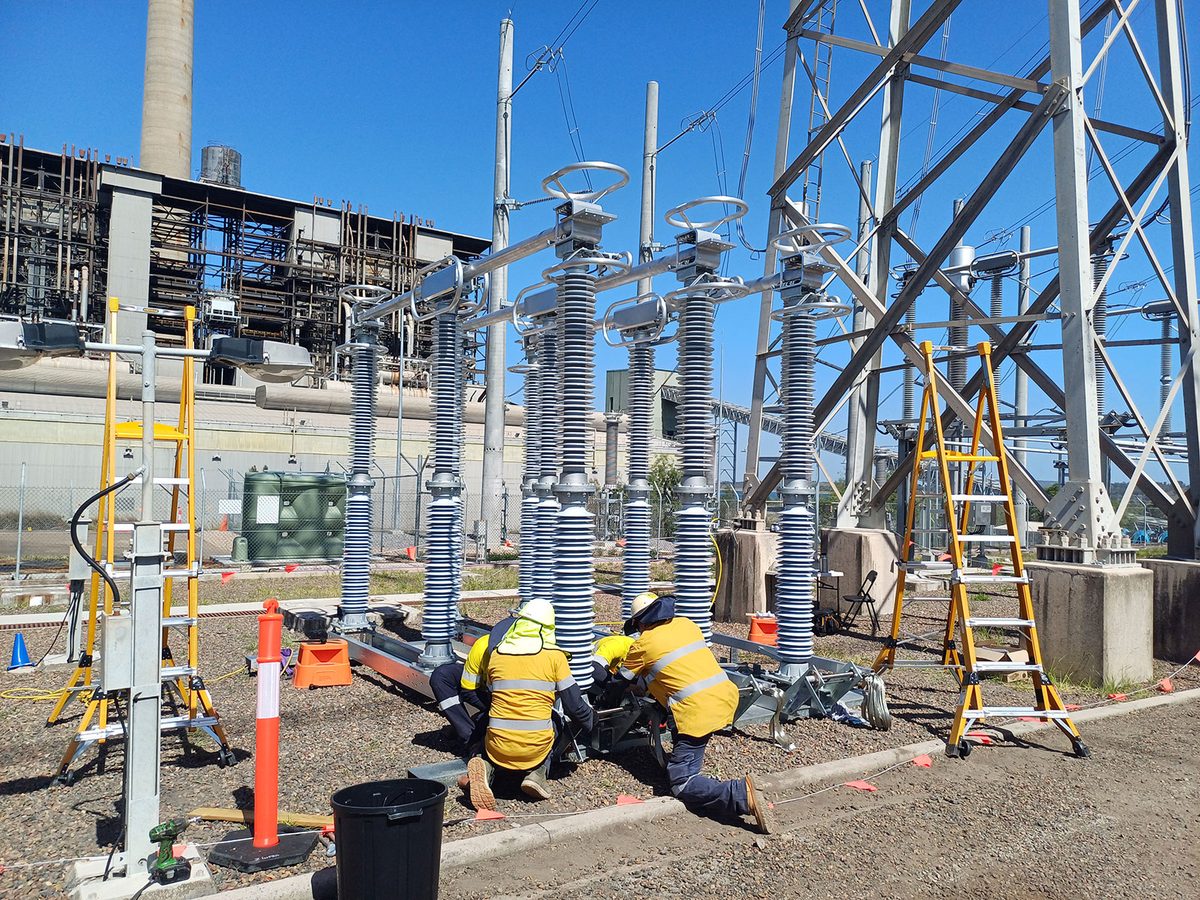
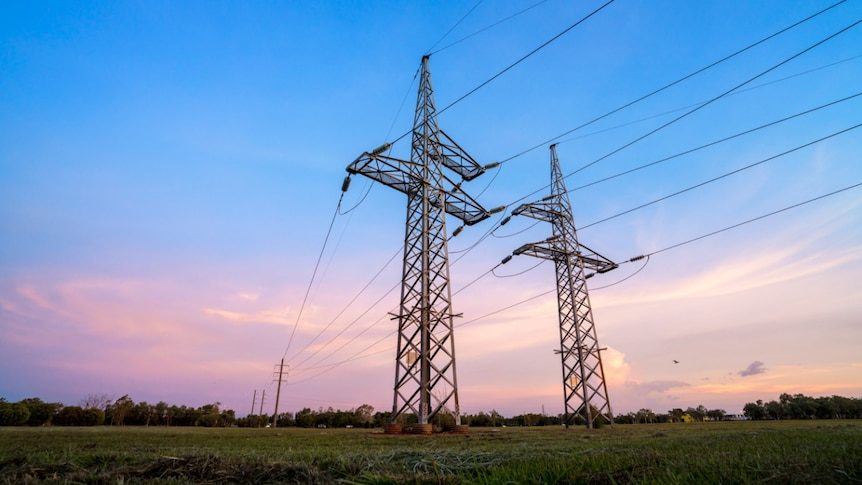
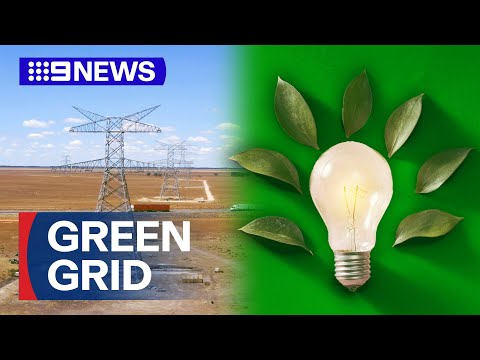
Transgrid and its construction partner Zinfra began work this week on eight kilometres of transmission line between the Mount Piper and Wallerawang substations in the Central Tablelands. The line is being rebuilt on double-circuit towers that carry a new 330-kilovolt (kV) line alongside the existing 132 kV one, replacing towers that could move far less power.

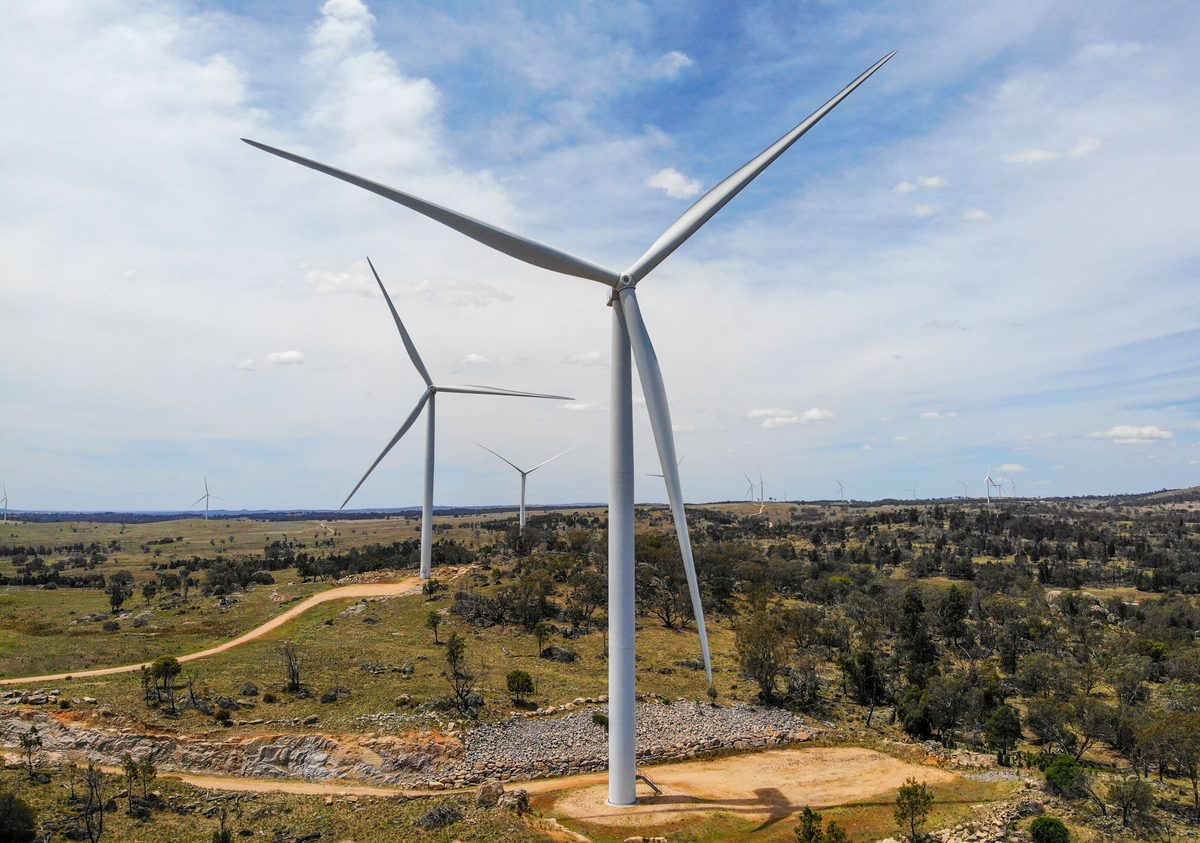
Short as it is, the stretch sits on the path between the Central-West Orana Renewable Energy Zone and the rest of the grid. That zone is planned to host at least 4.5 gigawatts of generation, and Transgrid says this link is one of the upgrades needed to move the power to consumers. The company expects construction to finish by July 2028.

Why it matters

New South Wales's first renewable energy zone can host 4.5 gigawatts of generation only if the wires between these substations can carry it.

Questions about this story

Free account needed to ask — your question is kept and asked for you right after sign-up. Answers are public.

No questions yet — be the first to ask.

Key Indicators

8 km
Length of line being upgraded
Runs between Mount Piper and Wallerawang substations in the Central Tablelands.
330 kV
Voltage of the new line
The new circuit runs alongside the existing 132 kV line on shared towers.
32
New transmission structures
About 90 km of conductor cabling is being strung between them.
150
Construction jobs supported at peak
Transgrid and Zinfra say local workers, contractors and suppliers will fill part of the total.
4.5 GW
Generation planned for the Central-West Orana zone
The zone is the first of five renewable energy zones the NSW government is establishing.

Voices

Curated perspectives — historical figures and your fellow readers.

Sign up to generate historical perspectives on this story.

People Involved

Organizations Involved

Timeline

2022 November 2026

8 events Latest: Today
Tap a bar to jump to that date
  1. Zinfra starts building the line

    Today Construction

    Crews began site establishment, vegetation clearing and access track construction on the 8 km route.

  2. Pre-construction minor works begin

    Construction

    Surveys, fencing and early site work started under the staged approval.

  3. NSW planning minister approves the project

    Approval

    Approval came with conditions covering biodiversity, waterways and cultural heritage.

  4. Amendment report switches to bored piling

    Planning

    The response to submissions also changed access tracks, site facilities and construction traffic arrangements.

  5. Environmental impact statement goes on public display

    Planning

    The statement stayed on exhibition until 24 September 2025.

  6. Project deemed a controlled action under national environment law

    Regulatory

    The designation brought Commonwealth approval requirements on top of the state process.

  7. Preferred route chosen

    Planning

    Transgrid selects a route that reuses existing transmission easements where possible.

  8. Project announced and consultation opens

    Announcement

    Transgrid announces the Mount Piper to Wallerawang upgrade and begins early engagement with landowners and the community.

Scenarios

1

Line enters service by mid-2028 as scheduled

Likely Resolves by Jul 31, 2028

Discussed by: Transgrid's published project schedule

Transgrid says construction should be complete by July 2028, and its staging report puts operation at 31 May 2028. If crews clear the remaining civil and electrical work on that timeline, the 330 kV circuit becomes available before the zone's first generators need it. The project reuses existing easements, which reduces the land acquisition and approval steps that most often stretch transmission builds.

2

Construction slips beyond 2028

Possible Resolves by End of 2028

Discussed by: Transgrid's own timeline has moved before, from an early-2028 target in September 2026 documents to July 2028 in the November announcement

Transmission builds slip for ordinary reasons: weather, cultural heritage finds, biodiversity conditions and contractor sequencing. This project already changed method, swapping impact piling for bored piling after the environmental review. Every month of delay pushes the line closer to the point where the zone's generation is ready and the wires are not.

3

Zone generators connect before the upgraded line is in service

Possible Resolves by Q2 2028

Discussed by: EnergyCo and Transgrid planning documents, which schedule network upgrades against zone connection dates

The risk in a phased build is that generators arrive first. If a Central-West Orana project registers with the market before this stretch is upgraded, its output is limited by whatever the existing 132 kV path can carry. That shows up as constrained output and lower revenue for the generator, not as a blackout for consumers.

Historical Context

3 moments from history that rhyme with this story — and how they unfolded.

1949–1974

Snowy Mountains Scheme (1949–1974)

Australia's largest engineering project turned the Snowy River through tunnels and power stations to generate hydroelectricity and send water inland for irrigation. It took 25 years and pulled tens of thousands of workers into the New South Wales Alps.

Then

New towns, roads and transmission lines were built to serve construction camps and power stations.

Now

The scheme became the backbone of the southern grid and the template for Commonwealth-state energy infrastructure.

Why this matters now

It shows how long publicly driven electricity build-outs run, and how the transmission that carries the power is a project in its own right.

December 1998

National Electricity Market launch (1998)

New South Wales, Victoria, Queensland, South Australia and the ACT linked their grids into one wholesale market, with generators competing to supply demand every few minutes. Ownership of generation was separated from ownership of the wires that carry it.

Then

Prices and dispatch were set centrally, and investment shifted toward whichever part of the chain promised a return.

Now

New generation could be built faster than new transmission, because generators face fewer approvals and can site near existing wires.

Why this matters now

The gap between how quickly generators can be built and how slowly lines can be approved is the problem renewable energy zones and projects like this one are designed to close.

2000s–2010s

South Australia's renewables outrun its interconnectors (2000s–2010s)

South Australia added wind farms faster than it expanded the links to Victoria. On windy, low-demand days the interconnector filled and market operators had to cap generator output.

Then

Wind farms lost revenue on constrained days and wholesale prices swung between negative and very high.

Now

The state upgraded its main interconnector and became an early market for grid-scale batteries.

Why this matters now

It is the clearest Australian example of what happens when generation arrives before the transmission that would carry it.

Sources

(6)