

Pull to refresh
Logo
Waratah Super Battery reaches full commercial operations after year of setbacks

Waratah Super Battery reaches full commercial operations after year of setbacks

Built World

Australia's most powerful battery now stabilizes the NSW grid as coal plants retire

Today: Final commercial operations reached

Overview

Updated 39 minutes ago

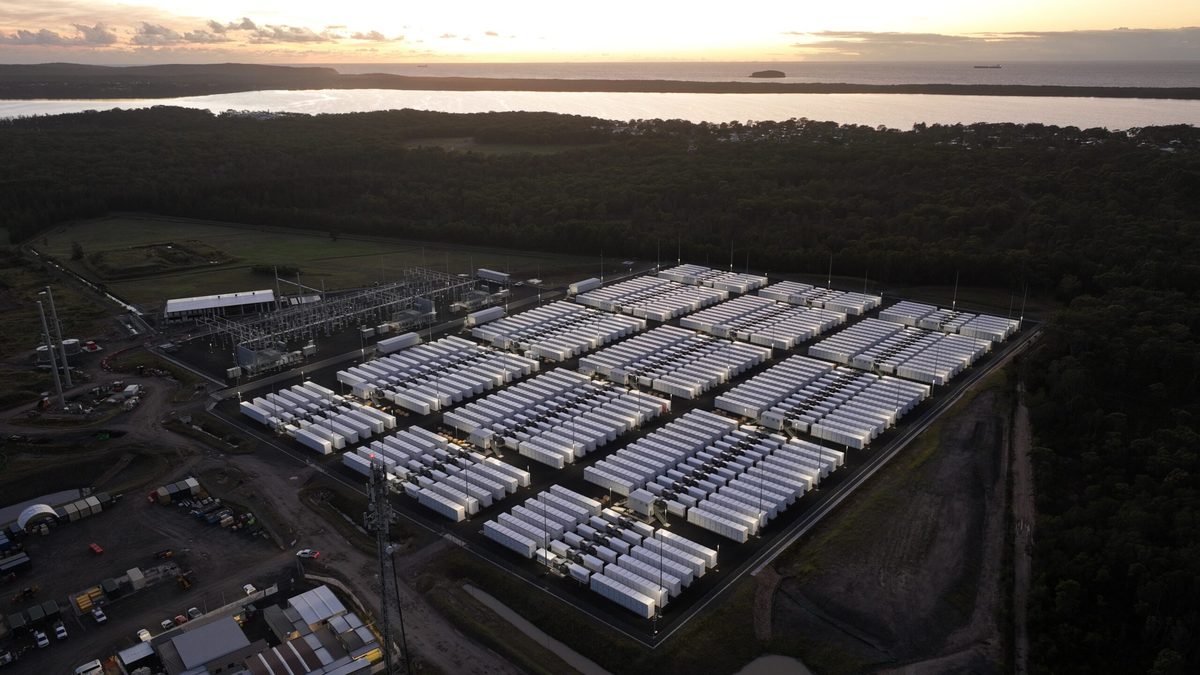
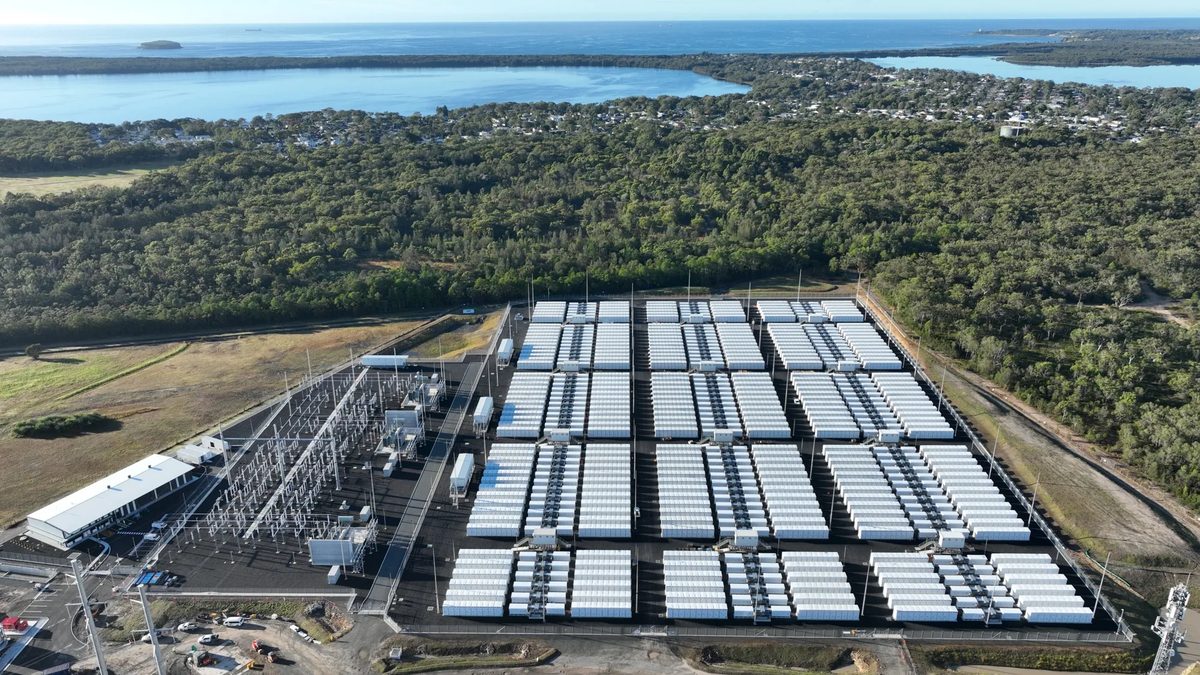
Australia's most powerful battery is finally running at full capacity. The 850-megawatt Waratah Super Battery reached final commercial operations on September 28, more than a year after a transformer failure cut its output in half.

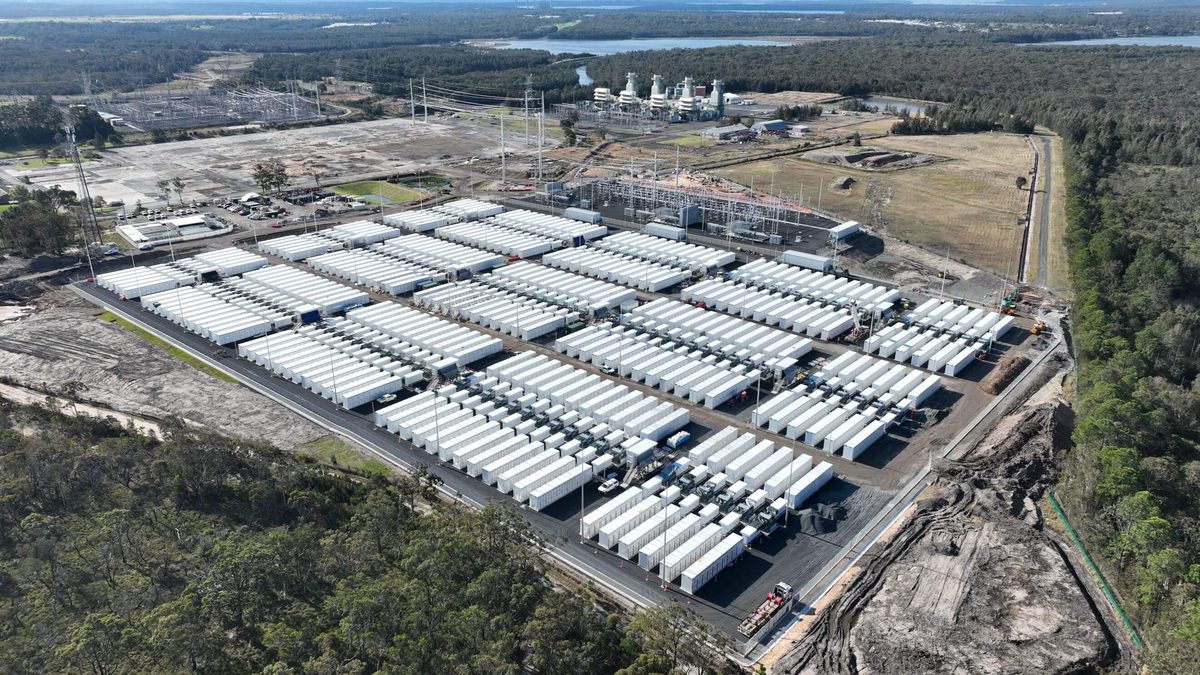
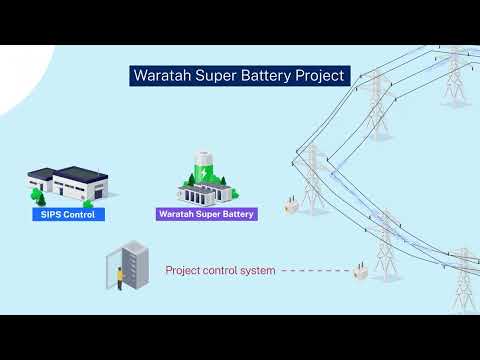
Built on the site of a retired coal plant north of Sydney, the battery acts as a shock absorber for the New South Wales grid. It responds to disturbances within milliseconds, letting transmission lines carry more renewable power while keeping the system stable.

Why it matters

The battery lets NSW's grid carry more renewable energy as coal plants retire, without waiting for new transmission lines.

Questions about this story

Free account needed to ask — your question is kept and asked for you right after sign-up. Answers are public.

No questions yet — be the first to ask.

Key Indicators

850 MW
Power capacity
One of the world's most powerful battery energy storage systems.
1,680 MWh
Energy storage capacity
Two hours of storage at full output, sized for fast response rather than long duration.
700 MW
SIPS contracted capacity
Guaranteed capacity for grid stability under the Transgrid System Integrity Protection Scheme contract.
340,000
Households powered at peak
At maximum output, the battery can power 340,000 NSW homes at peak demand.

Voices

Curated perspectives — historical figures and your fellow readers.

Ever wondered what historical figures would say about today's headlines?

Sign up to generate historical perspectives on this story.

People Involved

Organizations Involved

Timeline

October 2025 September 2026

7 events Latest: Today
Tap a bar to jump to that date
  1. Final commercial operations reached

    Today Milestone

    AEMO approved full capacity operation. The Waratah Super Battery reached final commercial operations, ending a year of reduced output.

  2. Replacement transformer energised, full output tested

    Milestone

    The new transformer completed testing. The battery recorded its full 850MW output and a record 774MW charge rate.

  3. HVT2 returns, capacity restored to 700MW

    Milestone

    Waratah returned to 700MW and full 1,680MWh energy capacity, with 350MW committed to SIPS and 350MW trading in the NEM.

  4. Replacement transformer timeline confirmed

    Announcement

    Akaysha confirmed Q3 2026 delivery for the HVT3 replacement, manufactured by Wilson Transformer Company to avoid overseas lead times.

  5. Battery begins interim SIPS operation at 350MW

    Operational

    Waratah operated on an interim basis at reduced capacity, meeting only a partial SIPS obligation.

  6. First full 850MW discharge to the NEM

    Milestone

    Waratah discharged its first full 850MW output, a record for a single battery discharge from NSW.

  7. HVT3 transformer fails catastrophically

    Equipment Failure

    High Voltage Transformer 3 suffered extensive winding damage and an overpressure event. HVT2 was taken offline as a precaution, cutting capacity to 350MW.

Scenarios

1

Waratah passes first summer peak without major incident

Likely Resolves by Q1 2027

Discussed by: RenewEconomy, Energy-Storage.News

The real test comes in the Australian summer, when demand peaks and bushfires, storms, and lightning threaten transmission lines. If the battery holds full capacity through December-February without equipment failure, it validates the SIPS model.

2

Another transformer failure cuts capacity again

Possible Resolves by Q2 2027

Discussed by: Energy-Storage.News

The catastrophic HVT3 failure and precautionary HVT2 shutdown show equipment reliability is a real risk. A second failure would repeat the pattern of reduced capacity and lost revenue.

3

SIPS activates during a real grid event and battery responds

Uncertain Resolves by Q1 2027

Discussed by: RenewEconomy, NSW government

The battery's purpose is to respond to real disturbances. A bushfire or storm knocking out a transmission line would trigger SIPS. Success means the battery injects power within milliseconds and keeps the grid stable.

Historical Context

3 moments from history that rhyme with this story — and how they unfolded.

1967-2016

Munmorah Power Station (1967-2016)

Munmorah coal-fired power station operated for 49 years on the site where Waratah now stands. It closed in 2016 as coal generation became less economic.

Then

The site sat idle for years before being selected for the battery project.

Now

The site's transformation from coal to storage reflects the broader shift in Australia's energy system.

Why this matters now

Waratah literally replaces a coal plant, showing the transition in one location.

December 2017

Hornsdale Power Reserve (2017)

Tesla built a 100MW/129MWh battery in South Australia after a political dispute over blackouts. It was the first grid-scale battery to show batteries could provide frequency control faster than gas plants.

Then

The battery cut frequency control costs and responded to grid events in milliseconds, proving the concept.

Now

It sparked a wave of grid-scale battery projects across Australia and the world.

Why this matters now

Waratah is 8.5 times Hornsdale's power capacity, scaling up the same shock-absorber concept.

July 2021

Victorian Big Battery fire (2021)

A 300MW/450MWh battery near Geelong caught fire during testing in July 2021, weeks before it was due to go online. The fire damaged one of its Tesla Megapack units.

Then

Commissioning was delayed while the cause was investigated. The battery eventually came online later that year.

Now

The incident highlighted the risks of large battery commissioning and led to stricter safety protocols.

Why this matters now

Waratah's transformer failure echoes the Victorian Big Battery's commissioning setbacks.

Sources

(10)