



Pull to refresh
Logo
US voters back local transit taxes as federal infrastructure law expires

US voters back local transit taxes as federal infrastructure law expires

Money Moves

Twenty-two of 26 transit measures passed, raising $31 billion, while Congress faces a December deadline on federal aid

Overview

Updated 1 hour ago

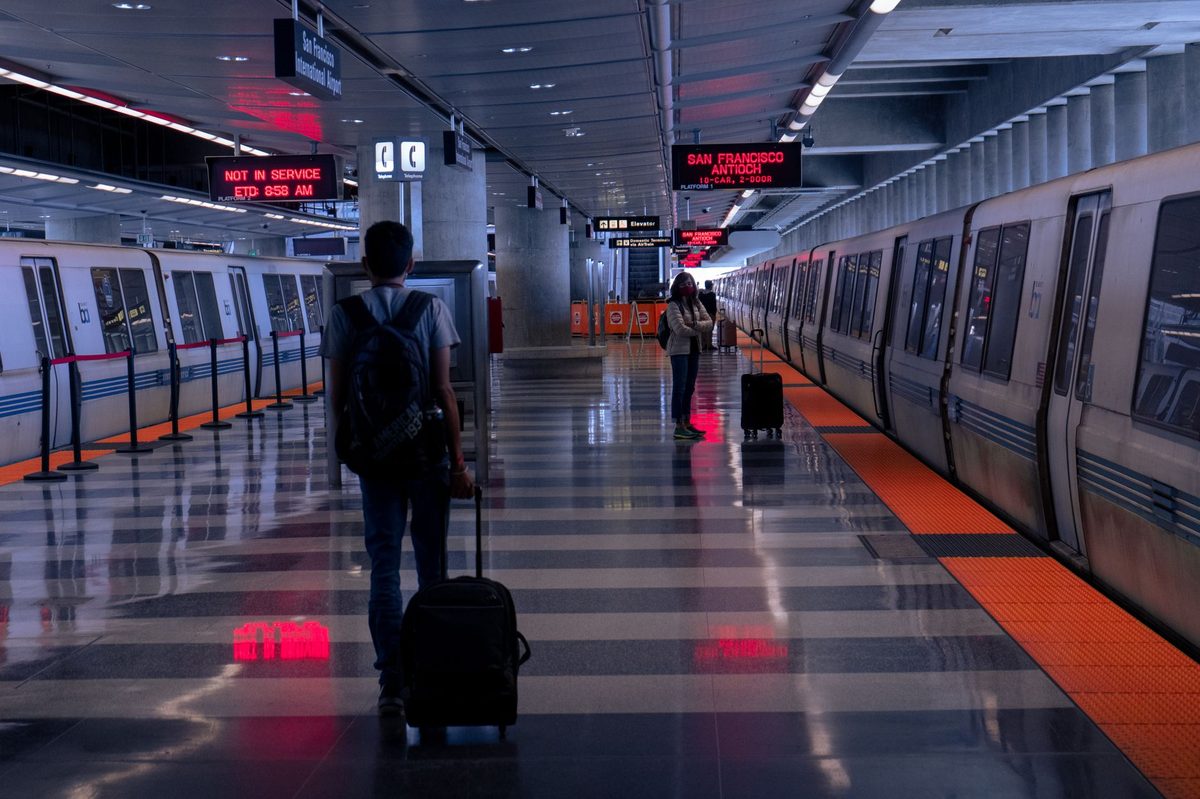
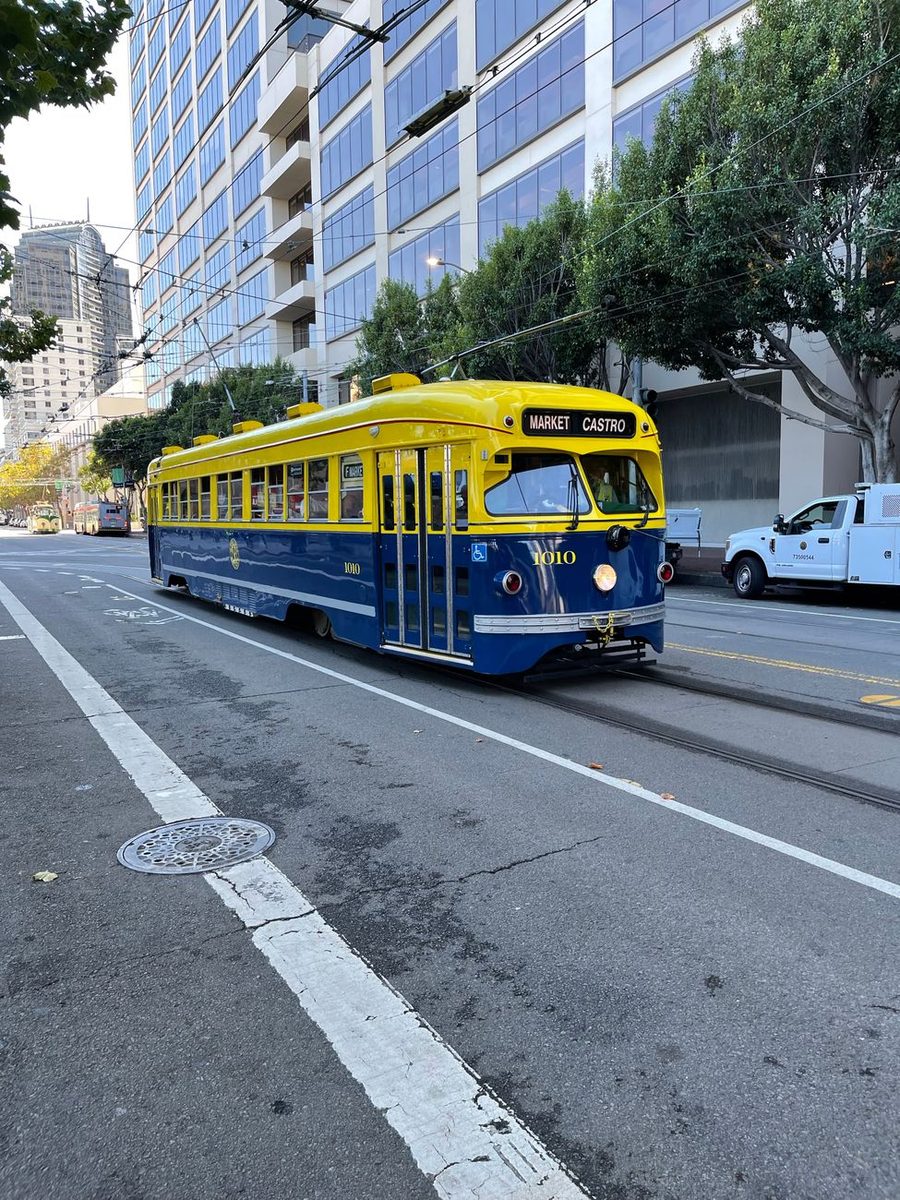
On Nov. 3, voters approved 22 of 26 transit ballot measures across the country, committing about $31 billion to rail and bus programs, according to the American Public Transportation Association. The largest was a 14-year Bay Area sales tax expected to raise up to $14 billion for BART, Caltrain, AC Transit and Muni.

The local money arrives as the 2021 federal infrastructure law reaches its end. Federal transit funding rose from about $12.8 billion to $21.4 billion a year under that law, and Congress must act by Dec. 12 to keep highway and transit programs running. Local taxes can close operating gaps, but they cannot cover a repair backlog the Federal Transit Administration estimated at more than $140 billion.

Why it matters

Local taxes are now the reliable money for US transit, while federal support depends on a December vote.

Questions about this story

Free account needed to ask — your question is kept and asked for you right after sign-up. Answers are public.

No questions yet — be the first to ask.

Key Indicators

$31B
Transit funding approved in 2026 ballot measures
Nationwide total reported by the American Public Transportation Association.
22 of 26
Transit measures passed
Municipal ballot measures funding rail and bus programs.
$14B
Bay Area sales tax proceeds
Up to $14 billion over 14 years for BART, Caltrain, AC Transit and Muni.
62%
Support for Bay Area Proposition RTM
The regional sales tax measure that averted service cuts.
72%
Support for Stronger Muni For All
A 15-year parcel tax raising $2.4 billion for San Francisco's transit agency.
$140B
National transit repair backlog
Federal Transit Administration estimate of accumulated capital needs as of 2022.

Voices

Curated perspectives — historical figures and your fellow readers.

Sign up to generate historical perspectives on this story.

People Involved

Organizations Involved

Timeline

November 2021 November 2026

4 events Latest: Yesterday
Tap a bar to jump to that date
  1. Engineering News-Record reports the results

    Latest Media

    The trade publication detailed the ballot wins and APTA's federal legislative goals.

  2. APTA reports $31 billion total

    Statement

    The American Public Transportation Association tallied the results at a post-election webinar.

  3. Voters approve 22 of 26 transit measures

    Election

    Ballot measures in the Bay Area, Charleston and elsewhere committed about $31 billion to transit.

  4. Bipartisan infrastructure law signed

    Federal policy

    The Infrastructure Investment and Jobs Act raised annual federal transit funding from about $12.8 billion to $21.4 billion through 2026.

Scenarios

1

Congress passes full-year transportation funding before December 12

Possible Resolves by Dec 12, 2026

Discussed by: APTA's Ward McCarragher, who said a bipartisan goal is to finish full-year bills while the current Congress is in place

Lawmakers fold highway and transit programs into full-year appropriations before the Dec. 12 deadline. That keeps federal formula and discretionary funding near current levels and gives agencies a stable planning horizon. The incoming Democratic majority would then take up reauthorization in 2027.

2

Bay Area agencies use new tax revenue to avoid service cuts

Likely Resolves by Jul 1, 2027

Discussed by: BART general manager Bob Powers and MTC executive director Andrew Fremier

BART, Muni, Caltrain and AC Transit adopt budgets that keep stations open and routes running, funded by the 14-year sales tax and the Muni parcel tax. The agencies also conduct the financial efficiency reviews Fremier promised, which could determine whether voters trust future requests.

3

Federal transit funding falls under the BUILD America 250 Act

Possible Resolves by Q3 2027

Discussed by: The Pew Charitable Trusts, which analyzed the House proposal

The House surface transportation bill would cut public transit funding by 14% over five years and shift money from guaranteed advance appropriations to annual appropriations. It would also eliminate the Low or No Emission Grant Program, which provided about $1.1 billion a year for bus electrification. If enacted, agencies would scale back projects or seek more local money.

4

A stopgap keeps federal transit money flat into 2027

Uncertain Resolves by Q1 2027

Discussed by: APTA and Pew, both noting the December 12 deadline

Congress passes a short-term continuing resolution that extends current funding past December but leaves long-term capital planning uncertain. Agencies proceed with local projects but delay decisions that depend on federal grants, and the reauthorization fight moves into the new Congress.

Historical Context

2 moments from history that rhyme with this story — and how they unfolded.

November 2021

Infrastructure Investment and Jobs Act (2021)

Congress passed a bipartisan infrastructure law that raised annual federal transit funding from about $12.8 billion to $21.4 billion through 2026. Only four House and 10 Senate Republicans supported it. The law also created new competitive grants for bus electrification and station accessibility.

Then

Transit agencies received record federal money for repairs, fleet modernization and accessibility upgrades.

Now

The boost was temporary. With the law expiring, state and local governments again face the question of how much transit to fund themselves.

Why this matters now

The 2026 ballot measures are local governments answering that question while federal support is uncertain.

1956–2026

The long shift to local transit funding (1956–2026)

Over seven decades, state and local contributions to transit more than doubled, according to Pew. Federal money became a larger share during the infrastructure law but never replaced local funding as the base.

Then

Local taxes and fares became the dependable revenue for day-to-day operations.

Now

Transit agencies grew dependent on ballot measures for major expansions and, increasingly, for basic service.

Why this matters now

The 2026 results continue a pattern: voters, not Congress, are the most reliable source of new transit money.

Sources

(4)