
Pull to refresh
Logo
USDA invests $180 million to sequence national seed bank

USDA invests $180 million to sequence national seed bank

New Capabilities

Seed Sovereignty Initiative targets foreign dependence on crop genetics and expands DOJ scrutiny of seed prices

Today: Science Magazine publishes report on the initiative

Overview

Updated 1 hour ago

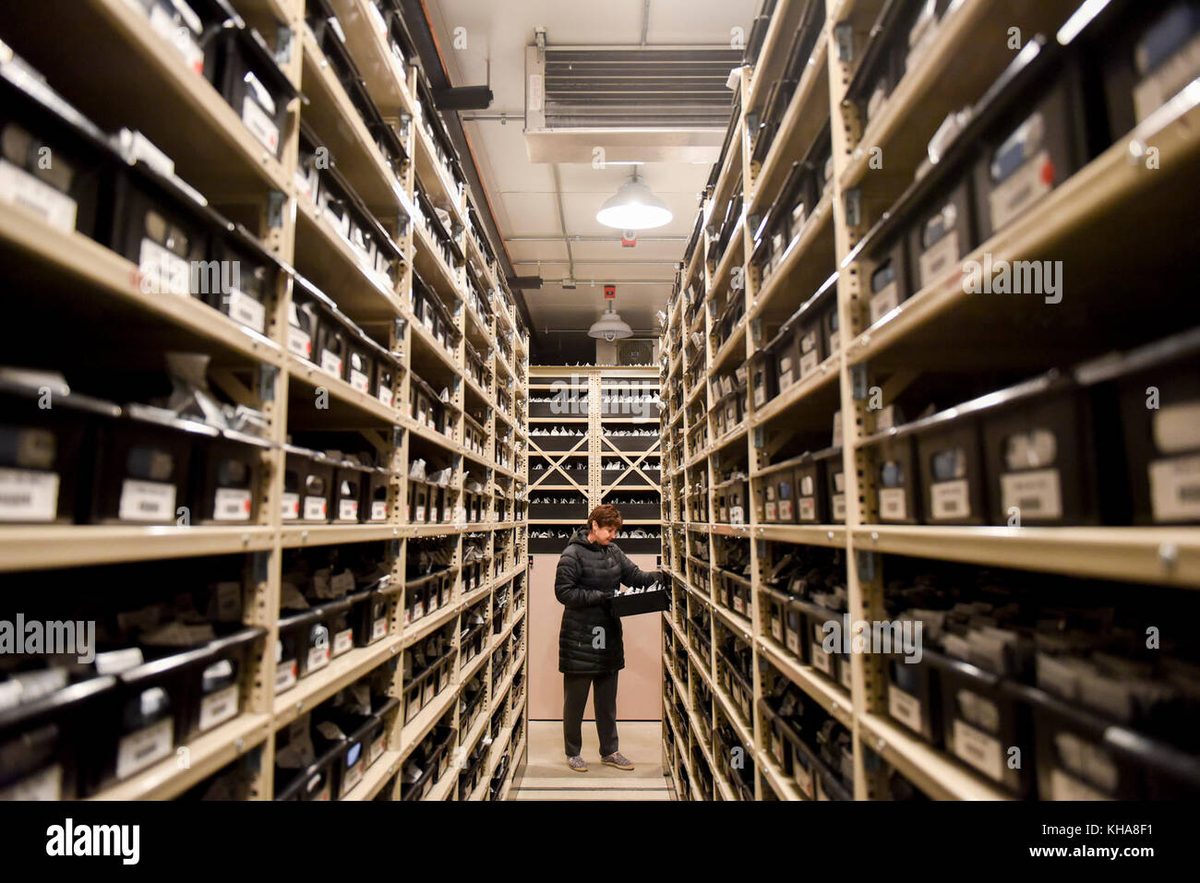
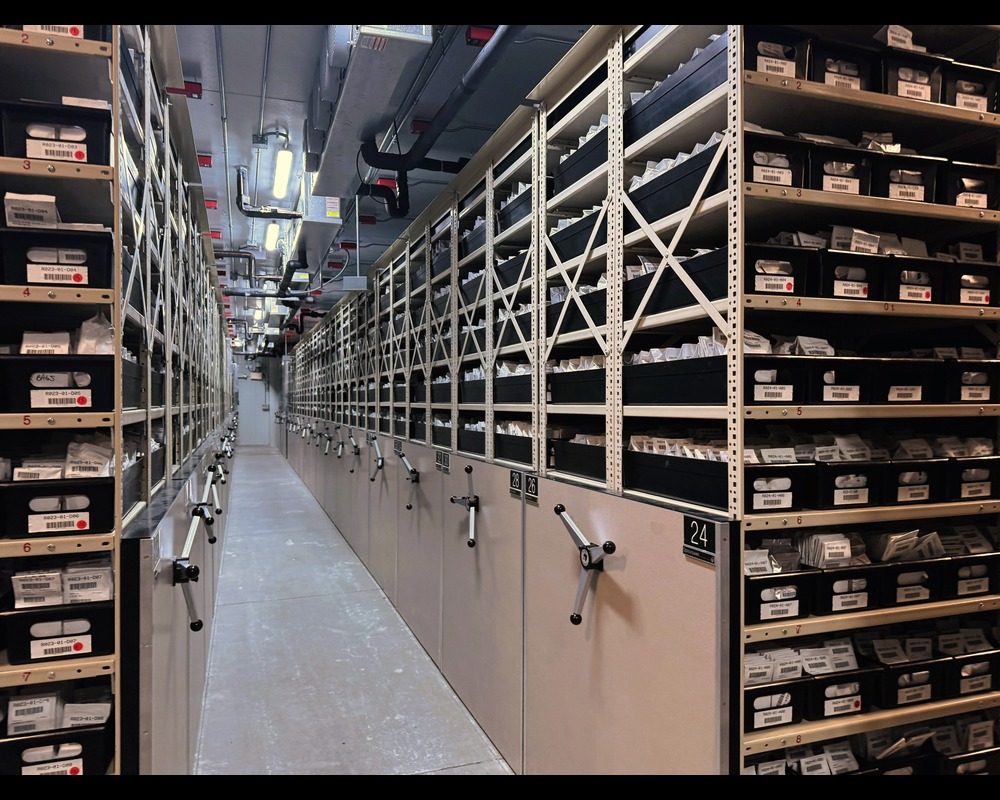
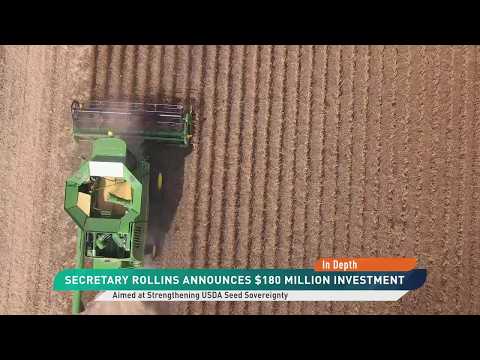
The U.S. government holds the world's largest collection of crop seeds — more than 600,000 samples spanning 16,000 species. Less than 10% have been genetically sequenced. On October 6, Agriculture Secretary Brooke Rollins announced $180 million to close that gap.

The Seed Sovereignty Initiative will sequence major crop collections and use AI to identify traits like drought and pest resistance. The USDA says the work reduces the risk of foreign dependence on seed genetics. It also expands a partnership with the Department of Justice to investigate seed prices, which rose 270% between 1990 and 2020.

Why it matters

Sequencing the national seed bank could speed new crop varieties to farmers — and determine who controls the genetic code of American food.

Questions about this story

Free account needed to ask — your question is kept and asked for you right after sign-up. Answers are public.

No questions yet — be the first to ask.

Key Indicators

$180M
USDA investment in seed sequencing
Funded through the Commodity Credit Corporation, the department's internal bank.
600,000+
Accessions in the National Plant Germplasm System
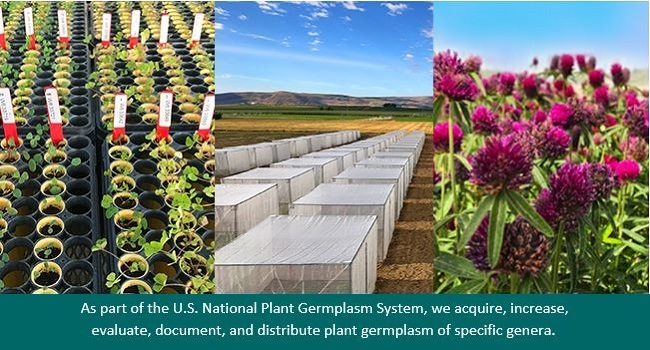
Seeds, tissue cultures, and other plant material representing over 16,000 species.
<10%
Share of germplasm sequenced so far
USDA chief scientist Scott Hutchins estimated the collection is less than 10% sequenced.
270%
Seed price increase, 1990-2020
Genetically modified corn, soybean, and cotton seeds rose 463% in the same period.

Voices

Curated perspectives — historical figures and your fellow readers.

Ever wondered what historical figures would say about today's headlines?

Sign up to generate historical perspectives on this story.

People Involved

Organizations Involved

Timeline

2018 October 2026

6 events Latest: Today
Tap a bar to jump to that date
  1. Science Magazine publishes report on the initiative

    Today Publication

    Science Magazine reported on the USDA's expanded effort to describe the genetics of its seed banks.

  2. Rollins announces $180M Seed Sovereignty Initiative

    Announcement

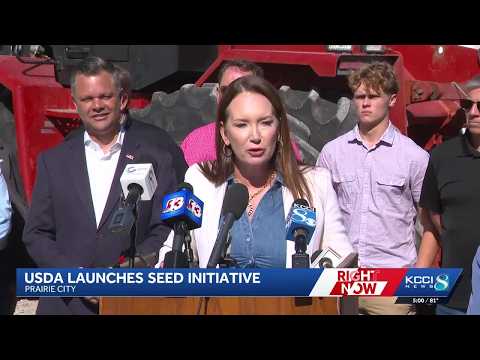
    Agriculture Secretary Brooke Rollins announced the investment at a farm in Prairie City, Iowa, with DOJ's Stanley Woodward.

  3. Fair Seeds for Farmers Act introduced

    Legislation

    Reps. Jim McGovern and Greg Casar introduced a bill to limit seed patents and restrict corporate control of breeding.

  4. ARS loses more than 30% of staff

    Organizational

    The Agricultural Research Service lost more than 30% of its staff, raising concerns about capacity for new work.

  5. USDA releases NPGS utilization plan

    Policy

    USDA released a plan noting annual NPGS funding is about $38 million and $150 million more would be needed.

  6. Farm Bill directs NPGS improvements

    Policy

    The 2018 Farm Bill directed USDA to create a plan to improve utilization of the National Plant Germplasm System.

Scenarios

1

Public germplasm reaches farmers, seed prices stay high

Possible Resolves by End of 2028

Discussed by: National Sustainable Agriculture Coalition, RAFI

The sequencing succeeds and new varieties bred from public germplasm reach farmers. But the four companies controlling 70-80% of corn and soybean seed markets remain dominant, and seed prices keep rising faster than commodity prices. Licensing-based access doesn't meaningfully shift market power.

2

DOJ opens formal seed market investigation

Possible Resolves by End of 2027

Discussed by: Iowa Capital Dispatch, USDA announcement

The expanded USDA-DOJ memorandum leads to a formal antitrust investigation or enforcement action against seed companies. Rollins said the DOJ would examine seed pricing, licensing, relabeling, and barriers facing independent seed companies.

3

Staffing cuts slow the sequencing work

Possible Resolves by Oct 6, 2027

Discussed by: Nick Rossi (NSAC), Civil Eats

ARS lost more than 30% of its staff in 2025. If the agency can't hire or reorganize effectively, the two-year sequencing timeline slips. The USDA also eliminated the Farmer Seed Liaison position created under Biden.

Historical Context

2 moments from history that rhyme with this story — and how they unfolded.

1970-1971

Southern corn leaf blight (1970-1971)

A fungal disease destroyed about 15% of the U.S. corn crop in 1970. Most commercial corn shared the same susceptible cytoplasm, a genetic vulnerability created by decades of breeding for uniformity.

Then

Farmers lost hundreds of millions of dollars; seed companies scrambled for resistant varieties.

Now

The episode pushed the USDA to expand germplasm preservation and diversify breeding programs.

Why this matters now

The same logic — that genetic uniformity is a national security risk — drives today's push to sequence and understand the seed bank.

1940s-1960s

The Green Revolution (1940s-1960s)

Public institutions developed dwarf wheat and rice varieties that doubled yields across Asia and Latin America. Norman Borlaug's work at CIMMYT was funded by public and philanthropic money.

Then

Yields soared and hunger fell in India, Mexico, and the Philippines.

Now

It showed public seed research can transform agriculture — but also that its benefits can be captured by private seed companies.

Why this matters now

Today's debate over who benefits from public germplasm echoes the Green Revolution's question of whether public research serves farmers or private interests.

Sources

(10)