Pull to refresh
Logo
Ukraine sends two captured North Korean soldiers to South Korea

Ukraine sends two captured North Korean soldiers to South Korea

Force in Play

Prisoners taken in Kursk in January 2025 are transferred to Seoul after months of negotiation

Today: Lawmaker confirms arrival; Kremlin says it has no information

Overview

Updated 1 hour ago

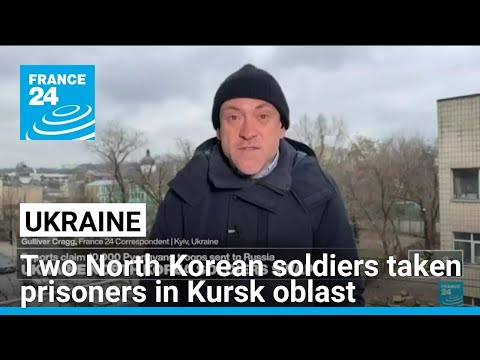
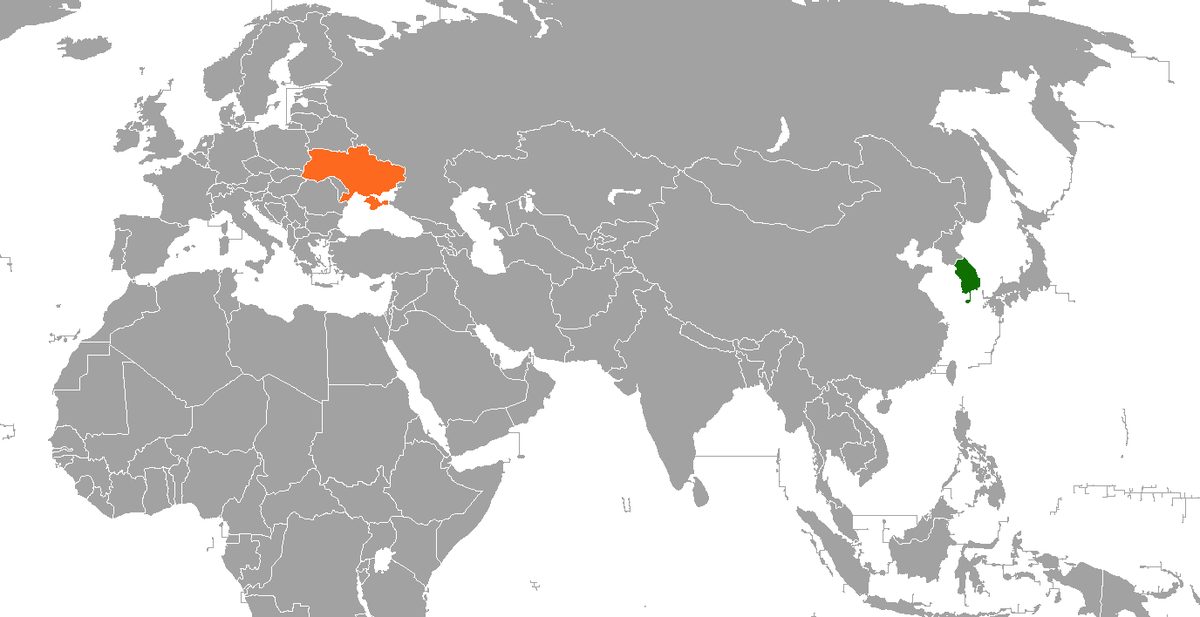
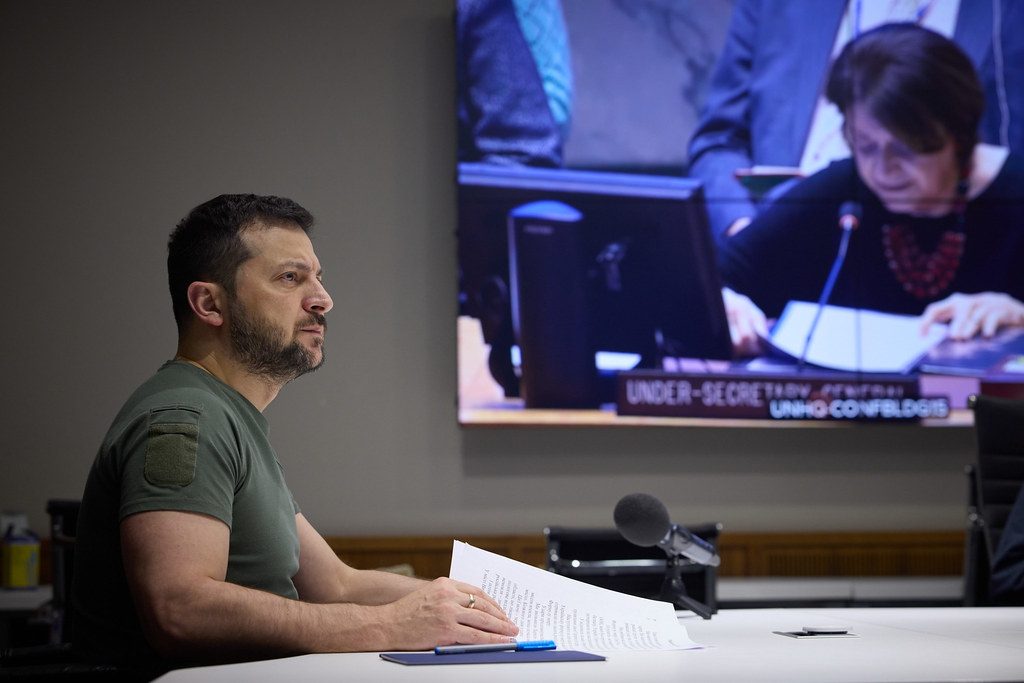
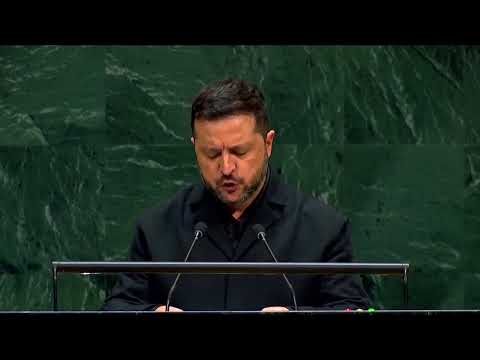
Zelenskyy told the UN General Assembly on Sept 23 that Ukraine had transferred two North Korean prisoners of war to South Korea. The soldiers were the first North Korean troops captured alive since Pyongyang sent forces to fight alongside Russia in late 2024.

The two were taken in Russia's Kursk region in January 2025, where Ukrainian troops had pushed into Russian territory. Seoul urged Kyiv from the start not to send the men back to North Korea, offering resettlement instead. A South Korean lawmaker says the two arrived in mid-September; the government has not formally confirmed it.

Why it matters

The transfer sets a precedent for how future North Korean troops captured in Ukraine are handled, and tests Seoul's approach to defectors.

Questions about this story

Free account needed to ask — your question is kept and asked for you right after sign-up. Answers are public.

No questions yet — be the first to ask.

Key Indicators

2
North Korean soldiers transferred to South Korea
The first captured North Korean troops from the Ukraine war sent to Seoul.
January 2025
Month the soldiers were captured in Kursk
Ukraine announced the capture of the two soldiers on Jan 11, 2025.
Unconfirmed
Status of Seoul's official confirmation
The South Korean government has cited safety concerns and won't confirm the transfer.

Voices

Curated perspectives — historical figures and your fellow readers.

Ever wondered what historical figures would say about today's headlines?

Sign up to generate historical perspectives on this story.

People Involved

Organizations Involved

Timeline

October 2024 September 2026

8 events Latest: Today
Tap a bar to jump to that date
  1. Lawmaker confirms arrival; Kremlin says it has no information

    Today Statement

    Rep. Yu Yong-weon says the two arrived days earlier. The Kremlin says it has no information on the transfer.

  2. Zelenskyy announces the transfer at the UN General Assembly

    Statement

    Zelenskyy tells the UN General Assembly that Ukraine recently sent two North Korean prisoners of war to South Korea.

  3. Two soldiers arrive in South Korea

    Transfer

    The two North Korean soldiers reach South Korea in mid-September, according to lawmaker Rep. Yu Yong-weon, who said they arrived several days before the public announcement.

  4. Lee and Zelenskyy agree in Ankara on humanitarian handling

    Diplomacy

    At a NATO summit in Ankara, the two presidents agree to address the captured soldiers' situation on humanitarian grounds while respecting their wishes.

  5. Ukraine captures two North Korean soldiers in Kursk

    Capture

    Ukraine announces the capture of two North Korean soldiers, the first taken alive since deployment. They are taken to Kyiv for questioning.

  6. Seoul urges Kyiv not to repatriate the soldiers

    Diplomacy

    South Korea asks Ukraine not to send the men back to North Korea, offering resettlement instead.

  7. Soldiers express wish to go to South Korea

    Statement

    In media interviews, the two captured soldiers appear to express a desire to resettle in South Korea.

  8. North Korea deploys troops to Russia

    Deployment

    Kyiv and Western allies say North Korea sent thousands of soldiers to fight alongside Russian forces.

Scenarios

1

Seoul confirms the soldiers' arrival and starts defector resettlement

Likely Resolves by End of 2026

Discussed by: South Korean lawmakers including Rep. Yu Yong-weon

Yu has already stated publicly that the two men arrived. If the government follows with formal confirmation, the soldiers would enter South Korea's defector resettlement program, which provides housing, education, and financial support. Yu has called for priority on their rehabilitation.

2

North Korea condemns the transfer and demands the soldiers' return

Possible Resolves by Q1 2027

Discussed by: Pyongyang's state media, following its pattern on defections

North Korea has historically condemned soldiers and citizens who choose the South, often calling for their return and punishing families. State media could denounce the transfer as an abduction or a violation of sovereignty, though Pyongyang's reach over the two men is limited now that they are in Seoul.

3

Details stay secret and the government never confirms

Possible Resolves by Q2 2027

Discussed by: No one predicting openly; the government has cited safety concerns

The presidential office has repeatedly declined to confirm the transfer, the timing, or the route, citing safety of the men and their families. If that policy holds, the arrival may remain an unconfirmed report from lawmakers and Ukrainian officials, with no official paperwork acknowledging the soldiers' status.

Historical Context

2 moments from history that rhyme with this story — and how they unfolded.

August 1953

Operation Big Switch, Korean War POW exchange (1953)

After the Korean War armistice, both sides repatriated prisoners of war. Tens of thousands were exchanged, and more than 22,000 prisoners of war declined repatriation, choosing to stay in the South rather than return to the North.

Then

Prisoners who refused repatriation were turned over to a neutral commission, and many resettled in South Korea.

Now

Set a precedent that prisoners of war could choose their destination rather than be forcibly returned.

Why this matters now

The current transfer echoes that precedent: the two soldiers expressed a wish for South Korea over repatriation to North Korea, and Seoul offered resettlement.

November 2017

Oh Chong-song's DMZ defection (2017)

A North Korean soldier drove a jeep to the heavily fortified border, was shot by his own side, and crawled across the demarcation line. South Korean troops retrieved him, and he survived after surgery.

Then

He recovered in a South Korean hospital and became a symbol of defection, later appearing in media interviews.

Now

Reinforced South Korea's policy of accepting North Koreans who choose to defect, regardless of their military status.

Why this matters now

The two POWs follow a similar path, choosing South Korea over return to the North, though through a third country, Ukraine, rather than directly across the border.

Sources

(10)