
Pull to refresh
Logo
Daily Brief
Following
Why Sign Up
Armed attack on Michigan synagogue exposes domestic front of Middle East conflict

Armed attack on Michigan synagogue exposes domestic front of Middle East conflict

Force in Play
By Newzino Staff |

Attacker who lost family in Lebanon airstrike rammed truck into nation's largest Reform synagogue; security guards stopped him before reaching 140 children inside

3 days ago: Truck rams Temple Israel; attacker killed by security

Overview

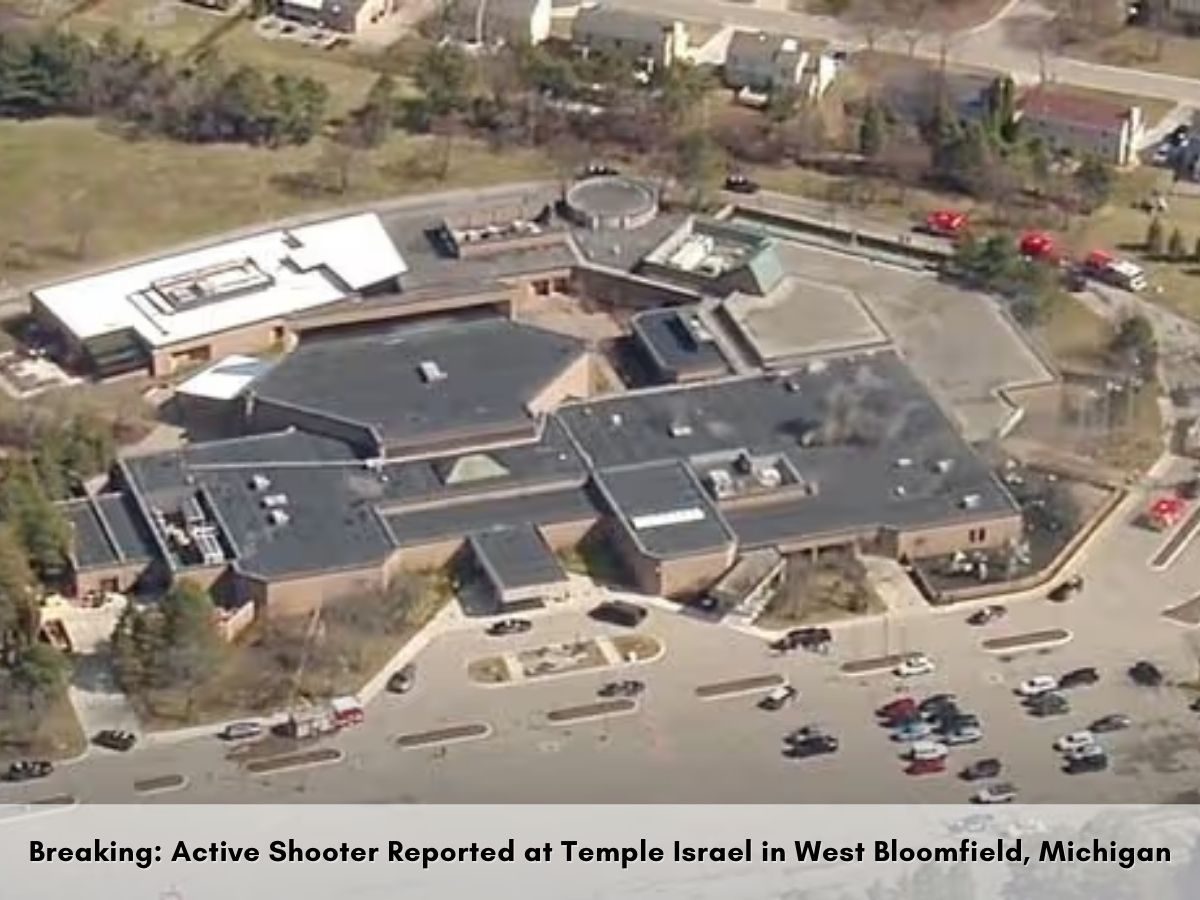
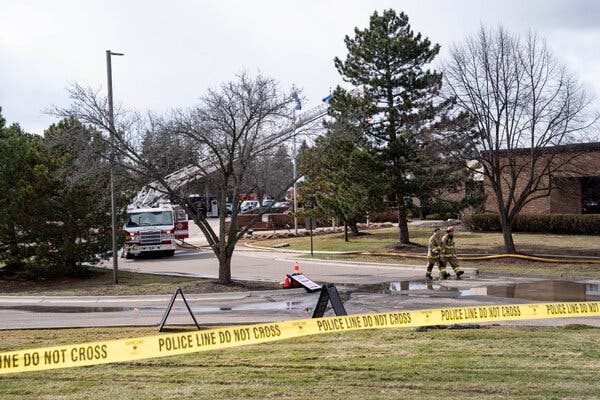
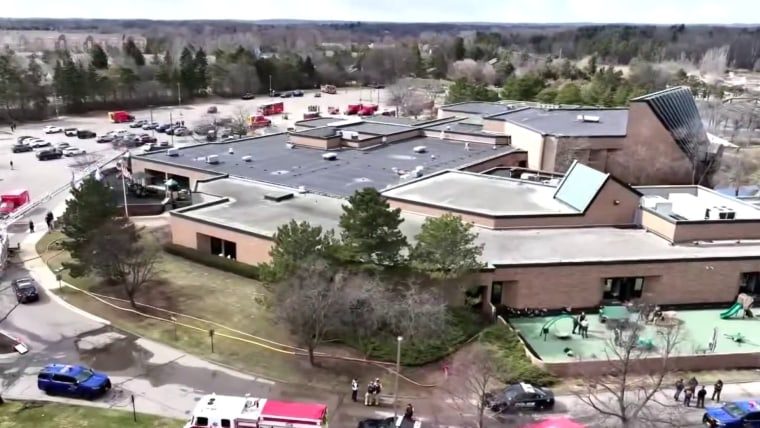
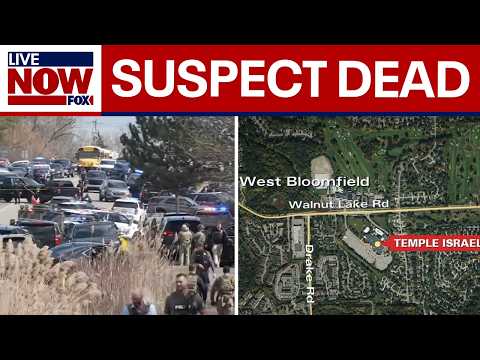
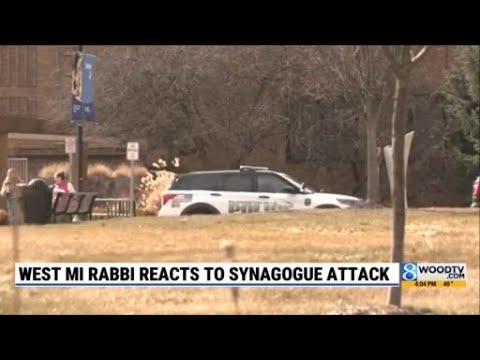
A 41-year-old naturalized citizen from Lebanon rammed a truck loaded with fireworks and an unidentified chemical accelerant through the front doors of Temple Israel in West Bloomfield Township, Michigan, on March 12, then exited armed with a rifle. Synagogue security guards shot and killed him before he reached any of the 140 children and staff inside. The building caught fire from the incendiary materials in the vehicle, sending 30 first responders to the hospital for smoke inhalation, but every student and teacher survived unharmed.

Key Indicators

140
Children and staff inside synagogue
All were uninjured thanks to security response
0
Student or staff casualties
Security guards neutralized the attacker before he reached occupied areas
100+
FBI agents deployed
Investigation classified as targeted act of violence against the Jewish community
9,354
Antisemitic incidents in the United States in 2024
Record high, a 344% increase over five years according to the Anti-Defamation League
30
First responders hospitalized
Treated for smoke inhalation from chemical fire ignited by materials in the truck

Interactive

Exploring all sides of a story is often best achieved with Play.

Ever wondered what historical figures would say about today's headlines?

Sign up to generate historical perspectives on this story.

Sign Up

Debate Arena

Two rounds, two personas, one winner. You set the crossfire.

People Involved

Organizations Involved

Timeline

  1. Truck rams Temple Israel; attacker killed by security

    Attack

    Ghazali drove a truck loaded with fireworks and a chemical agent through the front doors of Temple Israel, then exited with a rifle. Security guards shot and killed him. All 140 students and staff survived. The chemical payload ignited, engulfing the building in fire and sending 30 first responders to the hospital for smoke inhalation.

  2. FBI takes over investigation, classifies attack as targeted anti-Jewish violence

    Investigation

    FBI Special Agent in Charge Jennifer Runyan announced the bureau was leading the case as a targeted act of violence against the Jewish community, deploying more than 100 agents and specialists.

  3. Ghazali posts images of dead relatives on social media

    Pre-attack

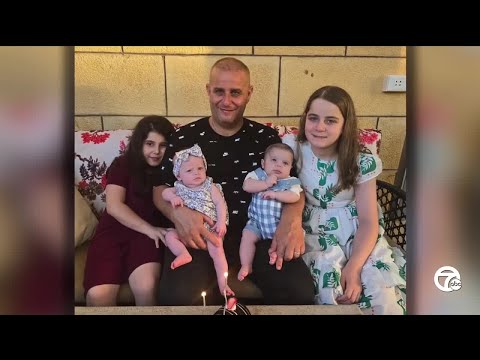
    The night before the attack, Ghazali posted photographs of his family members killed in the Mashghara airstrike on WhatsApp.

  4. Israeli airstrike kills four in Mashghara, including two children

    Geopolitical

    An airstrike hit a house in the Bekaa Valley town of Mashghara without prior warning. The dead included Ghazali's family members: two brothers, a niece, and a nephew.

  5. Hezbollah launches strikes on Israel; Israel strikes Beirut

    Geopolitical

    The Iranian-allied militia Hezbollah attacked Israel in retaliation. Israel responded with strikes on the Lebanese capital.

  6. Iranian Supreme Leader Ali Khamenei killed in airstrike

    Geopolitical

    U.S.-Israeli strikes destroyed Khamenei's compound, killing Iran's supreme leader and escalating the conflict across the region.

  7. U.S. and Israel launch joint strikes on Iran

    Geopolitical

    The United States and Israel initiated a combined air campaign against Iran. Israel simultaneously struck Hezbollah targets in southern Lebanon.

  8. FBI conducts active shooter training at Temple Israel

    Prevention

    The FBI Detroit field office led active shooter attack prevention and awareness training at the synagogue, part of expanded preparedness efforts at Jewish institutions.

  9. ADL reports record antisemitic incidents for fourth straight year

    Report

    The Anti-Defamation League documented 9,354 antisemitic incidents in 2024, a 344% increase over five years. For the first time, a majority of incidents contained references to Israel or Zionism.

  10. British man takes four hostages at Colleyville, Texas synagogue

    Attack

    Malik Faisal Akram held four people at Congregation Beth Israel for 11 hours, demanding the release of a prisoner. All hostages escaped; Akram was killed by the FBI.

  11. Gunman attacks Poway synagogue on last day of Passover

    Attack

    John Earnest killed one woman and wounded three at Chabad of Poway in California. His rifle jammed, preventing additional casualties. He was sentenced to life in prison.

  12. Tree of Life massacre: deadliest attack on Jews in U.S. history

    Attack

    Robert Bowers killed 11 worshippers and wounded six at the Tree of Life synagogue in Pittsburgh. The attack triggered a nationwide expansion of synagogue security infrastructure.

Scenarios

1

FBI finds no broader network; attack classified as lone-actor terrorism

Discussed by: Counterterrorism analysts and former FBI officials in initial media coverage

The investigation concludes that Ghazali acted alone, radicalized rapidly after his family's deaths. No accomplices or foreign direction are found. The case becomes a reference point in debates about lone-actor attacks motivated by overseas conflicts, prompting calls for better threat detection among individuals experiencing acute personal trauma linked to geopolitical violence.

2

Investigation uncovers broader network or foreign influence

Discussed by: National security commentators and Congressional intelligence committee members

FBI forensics on Ghazali's phone, financial records, or online communications reveal contact with organized groups or foreign actors who encouraged or directed the attack. This would shift the case from a grief-driven act to a coordinated operation and likely trigger broader federal enforcement actions.

3

Congress expands security funding and tightens immigration screening

Discussed by: Members of both parties in initial statements; immigration policy advocates

The attack accelerates bipartisan legislation to increase the Nonprofit Security Grant Program, which funds physical protection for houses of worship. Simultaneously, Ghazali's immigration history—entering on a spouse visa and gaining citizenship—becomes a focal point for proposals to add enhanced screening for applicants from countries involved in active U.S. military operations.

4

Retaliatory violence against Arab or Muslim communities in Michigan

Discussed by: Civil rights organizations, Michigan law enforcement, and Arab-American advocacy groups

Michigan's large Arab-American population, concentrated in Dearborn and Dearborn Heights, faces a heightened risk of retaliatory harassment or violence. Law enforcement agencies deploy additional patrols in both Jewish and Arab-American neighborhoods. Whether this cycle of retaliation materializes or is contained will depend on the speed and tone of official responses.

Historical Context

Tree of Life synagogue massacre (2018)

October 2018

What Happened

Robert Bowers, a 46-year-old truck driver who had posted antisemitic content online, entered the Tree of Life synagogue in Pittsburgh during Saturday morning services and killed 11 worshippers with an AR-15-style rifle. It was the deadliest attack on Jewish people in American history.

Outcome

Short Term

Bowers was convicted on all 63 federal charges in 2023 and sentenced to death. The attack prompted an immediate nationwide reassessment of synagogue security.

Long Term

Jewish community security spending grew from a $1.2 million budget with four employees in 2017 to $34 million and 130 employees by 2026. Congress expanded the Nonprofit Security Grant Program, awarding hundreds of millions annually to protect houses of worship.

Why It's Relevant Today

Temple Israel's armed security team—a direct product of post-Pittsburgh investment—stopped Ghazali before he reached anyone inside. The 2018 attack created the security infrastructure that likely prevented a mass casualty event in 2026.

Colleyville synagogue hostage crisis (2022)

January 2022

What Happened

Malik Faisal Akram, a 44-year-old British citizen, took four people hostage at Congregation Beth Israel in Colleyville, Texas, during a livestreamed Sabbath service. He demanded the release of Aafia Siddiqui, a Pakistani national imprisoned for terrorism-related charges. All four hostages escaped after 11 hours; Akram was killed by the FBI.

Outcome

Short Term

No hostage casualties. The incident raised questions about how Akram entered the U.S. despite a criminal record in Britain.

Long Term

The case established a modern precedent for attacks on American synagogues driven by overseas grievances rather than domestic white supremacist ideology, broadening the recognized threat profile.

Why It's Relevant Today

Like the West Bloomfield attack, the Colleyville crisis involved a foreign-born individual whose grievance originated outside the United States but was directed at an American Jewish target. Both cases illustrate how international conflicts translate into domestic threats against Jewish communities.

1994 AMIA bombing in Buenos Aires

July 1994

What Happened

A suicide bomber drove a van packed with explosives into the Asociación Mutual Israelita Argentina (AMIA), the Jewish community center in Buenos Aires, killing 85 people and wounding more than 300. Argentine investigators and international intelligence agencies attributed the attack to Hezbollah operatives acting on direction from Iran.

Outcome

Short Term

It was the deadliest terrorist attack in Argentine history. The investigation was plagued by alleged cover-ups and obstruction by Argentine officials.

Long Term

The bombing became the defining case study of Iran and Hezbollah projecting violence against Jewish civilian targets in a third country far from the Middle East conflict zone.

Why It's Relevant Today

The West Bloomfield attack shares a structural pattern: violence against a Jewish community institution in a Western country, carried out by an individual with ties to Lebanon, during a period of active conflict involving Hezbollah and Israel. The AMIA case illustrates how Middle East conflicts have historically produced attacks on Jewish communities worldwide.

Sources

(14)