Iran's sustained missile campaign brings cluster munitions to Israeli cities
Force in Play
Weeks of Iranian ballistic missile strikes—many carrying cluster warheads—mark a new phase in the escalation between Iran, Israel, and the United States
Weeks of Iranian ballistic missile strikes—many carrying cluster warheads—mark a new phase in the escalation between Iran, Israel, and the United States
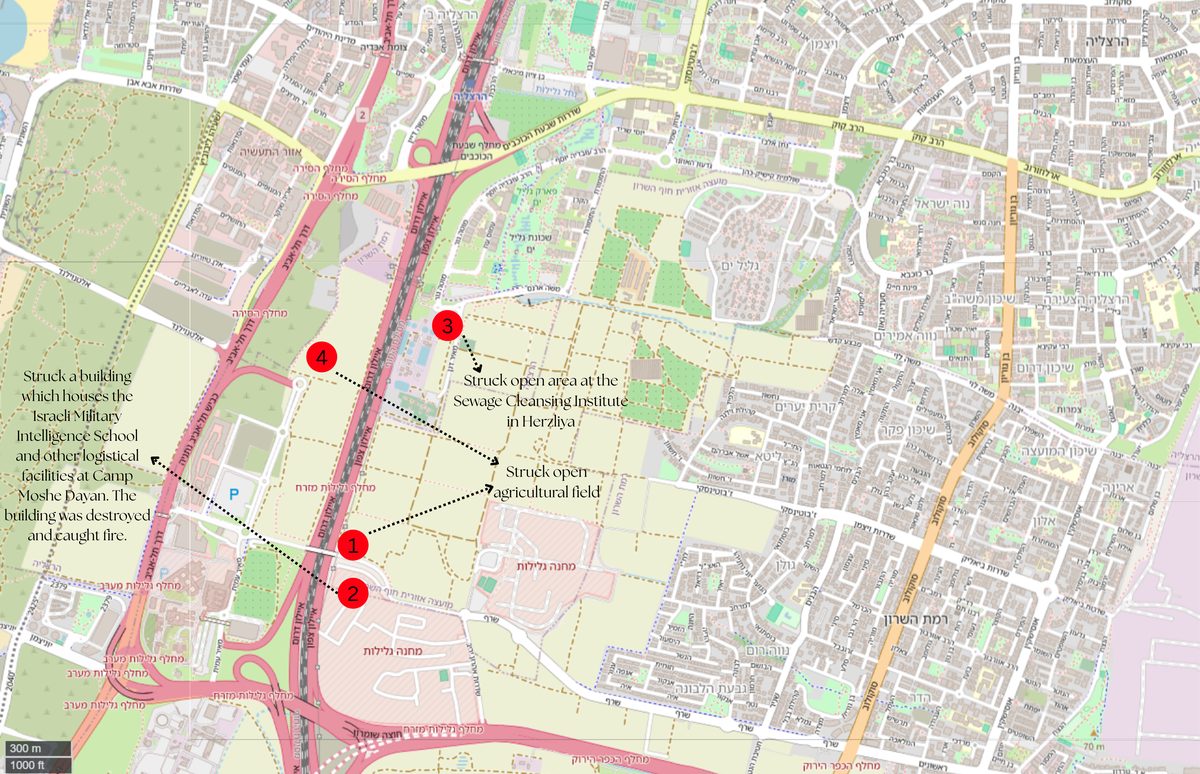
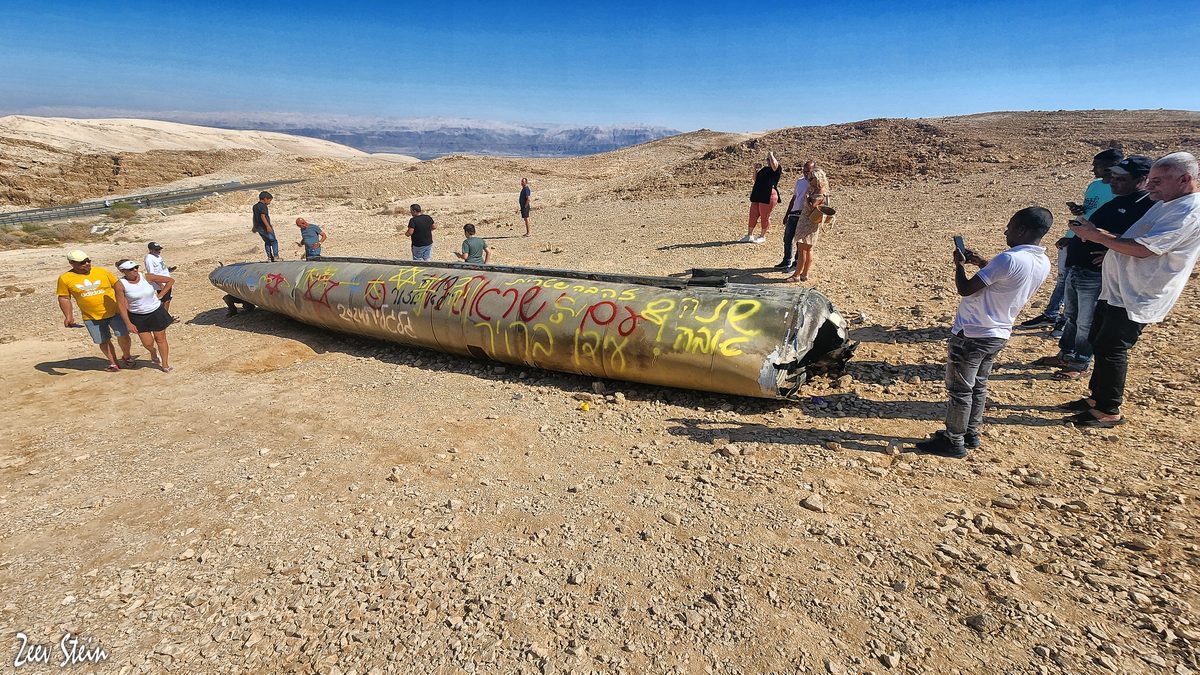
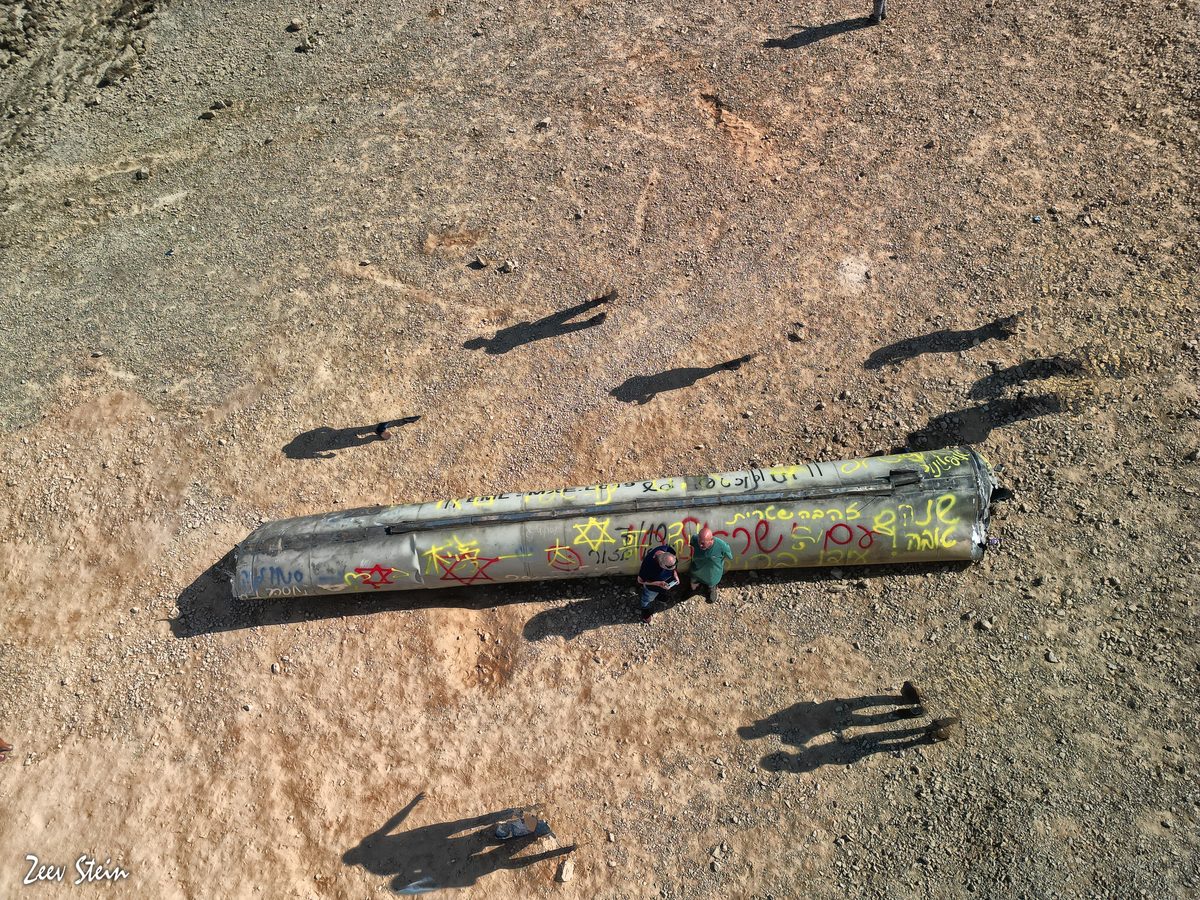
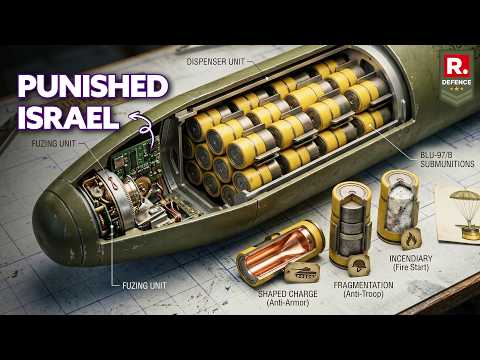
The United States and Israel launched surprise airstrikes on Iran on February 28, 2026, killing Supreme Leader Ali Khamenei and triggering what Washington calls Operation Epic Fury. Iran has since fired more than 525 ballistic missiles at Israeli territory. Nearly half carried cluster warheads that scatter dozens of smaller bomblets across wide areas, a weapon type banned by over 100 nations.
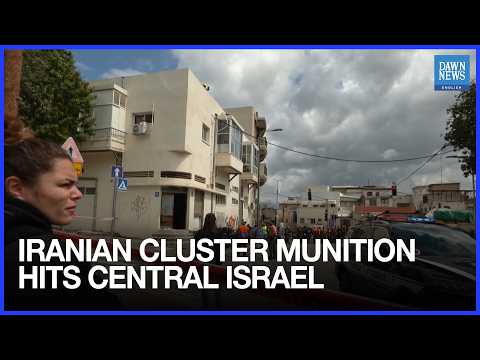
On April 6, two construction workers were killed in Yehud by cluster submunitions, while a separate ballistic missile collapsed a residential building in Haifa, killing four people after an 18-hour rescue effort. The strikes have killed at least 19 Israeli civilians and injured over 4,000. Israel's multi-layered missile defense—designed for unitary warheads—struggles against cluster munitions that disperse into dozens of smaller targets in the terminal phase.
Iran's closure of the Strait of Hormuz has removed roughly 20 percent of global oil supply from the market. Trump has set an April 7 deadline threatening to bomb Iranian power plants and bridges if it stays shut. Ceasefire talks have stalled.
Why it matters
Cluster warheads that bypass missile defense, a closed Strait of Hormuz, and stalled ceasefire talks mean this war's costs are compounding daily for everyone.
Questions about this story
Free account needed to ask — your question is kept and asked for you right after sign-up. Answers are public.
No questions yet — be the first to ask.
Key Indicators
525+
Ballistic missiles fired at Israel
Total Iranian missiles launched since February 28, roughly half carrying cluster warheads.
19
Israeli civilians killed
Deaths from Iranian missile and drone attacks, with over 4,000 injured.
~50%
Missiles with cluster warheads
Nearly half of Iranian missiles carry cluster submunitions that scatter bomblets over a wide radius.
$126/bbl
Peak Brent crude price
Oil surged past $126 per barrel after Iran closed the Strait of Hormuz, the highest in years.
2,000+
Killed in Iran
Iranian deaths from US-Israeli airstrikes, according to Iran's Health Ministry, with 26,500+ injured.
3M
Internally displaced in Iran
The United Nations High Commissioner for Refugees reported 3 million people displaced inside Iran.
14 events
Latest: April 6th, 2026 · 6 months ago
Showing 8 of 14
JK to step
Tap a bar to jump to that date
Jump to
April 2026
Cluster munitions kill two construction workers in central Israel
LatestAttack
Iranian missiles carrying cluster warheads struck central Israel, killing two construction workers at a site in Yehud and injuring a third in nearby Or Yehuda. Iran simultaneously rejected Trump's Tuesday deadline on the Strait of Hormuz.
Ceasefire initiatives collapse
Diplomatic
Two last-minute ceasefire proposals from Egypt and Oman both failed. Iran told mediators it considers US demands unacceptable and declined to meet US officials in Islamabad.
Iranian missile collapses residential building in Haifa
Attack
A ballistic missile scored a direct hit on a six-story building in Haifa. An 18-hour rescue operation recovered the bodies of a couple in their 80s, a man in his 40s, and a 35-year-old woman. A 10-month-old baby was among the injured.
Trump issues 48-hour ultimatum on Strait of Hormuz
Diplomatic
Trump gave Iran until Tuesday, April 7, to reopen the Strait of Hormuz, threatening to bomb Iranian power plants and bridges if the deadline passes.
Iran launches largest missile salvo in three weeks
Military
Iran fired its biggest volley of missiles at Israel since early March, demonstrating continued capability despite US claims of having destroyed Iran's missile infrastructure.
March 2026
Human Rights Watch documents cluster munition war crimes
Legal
Human Rights Watch published a report confirming repeated Iranian cluster munition use against Israeli population centers, calling the strikes unlawful and potentially war crimes under international humanitarian law.
Cluster munitions kill two in Ramat Gan
Attack
An Iranian cluster warhead missile struck the Tel Aviv suburb of Ramat Gan, killing an elderly couple. Human Rights Watch documented this as the second confirmed cluster munition fatality event.
Israel strikes Iran's South Pars gas field
Escalation
Israel expanded the war to energy infrastructure by striking Iran's largest natural gas field. Iran retaliated by attacking energy facilities across the region, including in Qatar and Israel.
Iran closes the Strait of Hormuz
Escalation
The IRGC shut down the world's most critical oil shipping lane, removing roughly 20 percent of global supply. Oil prices surged past $100 per barrel, eventually reaching $126.
Mojtaba Khamenei elected supreme leader
Political
The Assembly of Experts elected Ali Khamenei's 56-year-old son Mojtaba as Iran's new supreme leader after a six-day deliberation, signaling hardline continuity.
Cluster munition strikes hit Tel Aviv suburbs
Attack
Iranian missiles carrying cluster warheads struck Yehud, Or Yehuda, Bat Yam, and Holon near Tel Aviv simultaneously, killing two construction workers in Yehud. Human Rights Watch later verified the attack.
Iranian missile kills nine in Beit Shemesh
Attack
A ballistic missile struck a synagogue shelter in Beit Shemesh, 29 kilometers from Jerusalem, killing nine Israeli civilians and injuring dozens—the deadliest single strike on Israel in the war.
February 2026
US and Israel launch surprise strikes on Iran
Military
The United States (Operation Epic Fury) and Israel (Operation Roaring Lion) launched nearly 900 airstrikes in 12 hours, killing Supreme Leader Ali Khamenei and multiple officials. Over 100 civilians died in the opening wave, including approximately 170 at a girls' school in Minab.
Iran launches Operation True Promise IV retaliation
Military
Iran fired roughly 90 ballistic missiles at Israel on the first day, alongside strikes on US bases and allied targets across Bahrain, Kuwait, the UAE, Saudi Arabia, and Iraqi Kurdistan.
Scenarios
1
Trump strikes Iranian infrastructure, war escalates further
Likely
Discussed by: NBC News, Axios, Time, and multiple defense analysts; based on Trump's explicit public threats
If Iran does not reopen the Strait of Hormuz by April 7, Trump has publicly committed to striking civilian infrastructure—power plants, bridges—inside Iran. This would mark a significant escalation from military to civilian targets and could trigger even larger Iranian retaliatory salvos, further strain Israel's missile defense stockpiles, and deepen the global energy crisis. Iran's deputy communications chief has warned that targeting infrastructure would prompt Iran to "step up escalation across the region."
2
Diplomatic breakthrough produces phased ceasefire and Hormuz reopening
Unlikely
Discussed by: Frontier Affairs, Al Jazeera diplomatic sources, and regional mediators including Turkey and Egypt
A framework already exists: a 10-day strike pause, phased Hormuz reopening, and a Saudi-Egyptian-led Gulf Coast Force to replace US carrier groups. But Iran has rejected US demands as unacceptable, Netanyahu has vowed to continue strikes independently, and two separate ceasefire proposals have already collapsed. For this scenario to materialize, either the infrastructure threat changes Iran's calculus or a new mediator—possibly China or India—applies enough economic leverage to bring both sides to the table.
3
War of attrition grinds on with no resolution
Likely
Discussed by: House of Commons Library briefing, ACLED, and multiple conflict analysts
The most probable near-term outcome: Iran continues daily missile salvos at reduced but persistent rates, Israel conserves interceptors while conducting strikes, the Strait of Hormuz remains partially or fully closed, and diplomatic efforts cycle through proposals that neither side accepts. This scenario sees the global economic damage compound—oil above $100 per barrel, GDP growth declining by nearly 3 percentage points—while casualty tolls climb incrementally on both sides.
4
Iran's missile stockpile depletes, strikes taper off
Possible
Discussed by: Foundation for Defense of Democracies (FDD), Critical Threats Project, and US Central Command assessments
Despite the IRGC's sustained campaign, Iran's ballistic missile inventory is finite, and US-Israeli strikes have targeted production facilities and launch sites since day one. The shift from large opening salvos of 90 missiles per day down to roughly 20 per day suggests either strategic conservation or supply constraints. If attrition outpaces Iran's ability to produce or import replacements, the strike tempo could diminish to near-zero within weeks, though Iran may retain enough for occasional high-profile attacks.
Historical Context
3 moments from history that rhyme with this story — and how they unfolded.
1 of 3
July-August 2006
Israel's use of cluster munitions in Lebanon (2006)
During the 34-day war with Hezbollah, Israel fired an estimated 4 million cluster submunitions into southern Lebanon, the majority in the final 72 hours of fighting. The United Nations estimated up to 1 million bomblets failed to detonate on impact, creating a vast field of de facto landmines across civilian areas.
Then
Hundreds of Lebanese civilians were killed or maimed by unexploded bomblets in the months after the ceasefire, with children disproportionately affected.
Now
The scale of cluster contamination became a catalyst for the 2008 Convention on Cluster Munitions, which now has 112 state parties—though neither Israel nor Iran signed.
Why this matters now
Iran's current use of cluster warheads mirrors the 2006 controversy with roles reversed. The same weapon type that generated international condemnation when Israel used it against Lebanese civilians is now being fired at Israeli civilians, and neither party is bound by the treaty their use helped create.
2 of 3
April 2024
Iran's Operation True Promise I (April 2024)
Iran launched its first-ever direct military strike on Israeli territory, firing over 300 projectiles—170 drones, 30 cruise missiles, and 120 ballistic missiles—in retaliation for Israel's strike on Iran's Damascus consulate. Israel's multi-layered defense, assisted by the US, UK, France, and Jordan, intercepted the vast majority.
Then
Minimal damage to Israel. The strike was widely seen as a calibrated show of force designed to restore deterrence without triggering full-scale war.
Now
Established the precedent of direct Iranian strikes on Israeli soil, breaking a decades-long pattern of proxy warfare. Each subsequent operation—True Promise II (October 2024), III (2025), and now IV (2026)—has been larger and more lethal.
Why this matters now
The April 2024 strike was largely symbolic—most projectiles were intercepted and casualties were minimal. Two years later, Iran's missiles are getting through, carrying cluster warheads, and killing civilians. The progression from True Promise I to IV shows how each round of escalation has normalized direct state-on-state strikes of increasing destructiveness.
3 of 3
October 1973 - March 1974
The 1973 Oil Embargo and OPEC crisis
Arab oil-producing states imposed an embargo on the United States and other nations supporting Israel during the Yom Kippur War. Oil prices quadrupled from $3 to $12 per barrel, triggering gas shortages, rationing, and a global recession.
Then
The US and Western economies entered recession. The crisis reshaped American energy policy, leading to the creation of the Strategic Petroleum Reserve and fuel efficiency standards.
Now
Demonstrated that Middle Eastern conflicts could weaponize energy markets as a tool of geopolitical leverage, reshaping global strategic thinking about oil dependence for decades.
Why this matters now
Iran's closure of the Strait of Hormuz is the modern equivalent—but larger in scale. The International Energy Agency has called it the biggest disruption since the 1970s. Where the 1973 embargo removed a fraction of global supply, the Hormuz closure has taken roughly 20 percent off the market, pushing oil past $126 per barrel and threatening a 2.9-percentage-point hit to global GDP.