
Pull to refresh
Logo
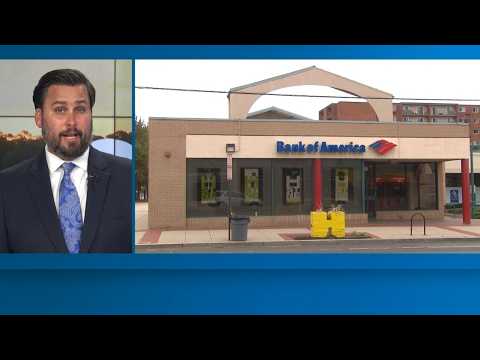
Treasury fines Bank of America $1.2 billion over money laundering and sanctions failures

Treasury fines Bank of America $1.2 billion over money laundering and sanctions failures

Rule Changes

Third-largest penalty in Treasury history; bank admitted willful Bank Secrecy Act violations

Yesterday: Treasury announces $1.21B in penalties

Overview

Updated 1 hour ago

The US Treasury fined Bank of America $1.2 billion Tuesday after the second-largest US bank admitted it willfully failed to report more than $5 billion in suspicious transactions. The penalty is the third-largest in Treasury history, and the $750 million portion from the Office of the Comptroller of the Currency (OCC) is that regulator's largest ever.

Transactions the bank missed included money routes used by Chinese laundering networks and narcotics proceeds tied to the southwest border, plus sanctions violations touching Iran and Russia. Bank of America must now hire an outside firm to find and report the missed activity and submit to independent reviews of its anti-money-laundering program.

Why it matters

The required third-party lookback could surface more hidden transactions, extending enforcement and reshaping how major banks monitor customer activity.

Questions about this story

Free account needed to ask — your question is kept and asked for you right after sign-up. Answers are public.

No questions yet — be the first to ask.

Key Indicators

$1.21B
Total penalties announced
Third-largest penalty in Treasury history.
$5B+
Unreported suspicious transactions
Some tied to Chinese money laundering networks and southwest border narcotics flows.
$750M
OCC civil money penalty
Largest penalty in OCC history.
475
Apparent sanctions violations
Covered by OFAC's $11.6 million settlement.

Voices

Curated perspectives — historical figures and your fellow readers.

Ever wondered what historical figures would say about today's headlines?

Sign up to generate historical perspectives on this story.

People Involved

Organizations Involved

Timeline

December 2024 October 2026

2 events Latest: Yesterday
  1. OCC issues cease-and-desist order

    Regulatory Action

    OCC requires Bank of America to fix its deficient anti-money-laundering compliance program.

Scenarios

1

Bank of America exits OCC consent order by end of 2028

Possible Resolves by End of 2028

Discussed by: Bank compliance analysts and regulators following large-bank consent orders

Bank of America completes the third-party lookback required by the FinCEN consent order and passes independent reviews of its transaction monitoring, customer due diligence, and foreign correspondent account programs. With remediation verified, the OCC terminates the December 2024 cease-and-desist order. Given the scale of the required work, this would likely take until late 2028.

2

Lookback surfaces new violations, triggering more penalties

Possible Resolves by Q2 2028

Discussed by: Reuters and press coverage of the consent order's requirements

The mandated lookback is designed to catch suspicious transactions the bank missed, and the OCC already found the bank failed to escalate flagged activity for years. If the lookback surfaces substantial additional unreported activity, Treasury or FinCEN could seek new penalties or extend the consent order's requirements. Regulators have previously followed up lookbacks with additional enforcement.

3

Enforcement drags on past 2028 without resolution

Likely Resolves by End of 2028

Discussed by: Regulators and observers of large-bank AML consent orders

Large banks have historically taken several years to fix anti-money-laundering programs under consent orders, and Bank of America was still behind a year after the 2024 order. The OCC could keep the cease-and-desist order and an outside monitor in place past 2028 if independent reviews find continued deficiencies. This leaves the bank operating under supervision without additional announced penalties.

Historical Context

2 moments from history that rhyme with this story — and how they unfolded.

December 2012

HSBC money laundering settlement (2012)

HSBC paid $1.92 billion to settle charges that it laundered drug money for Mexican cartels and moved funds for sanctioned countries including Iran. The deferred prosecution agreement was the largest such penalty at the time.

Then

HSBC admitted failures and stayed in business under a five-year monitorship rather than facing criminal prosecution.

Now

The case established that mega-banks could pay billions and survive, setting expectations for how regulators handle large institutions.

Why this matters now

The Bank of America penalty uses the same enforcement machinery that produced the HSBC settlement, and is now the third-largest Treasury penalty ever.

December 2022

Danske Bank Estonia scandal (2022)

Danske Bank agreed to pay about $2 billion over roughly $200 billion in suspicious payments flowing through its Estonia branch from 2007 to 2015, much of it from Russia and other former Soviet states.

Then

Danske admitted its branch's anti-money-laundering controls failed for years and exited its Baltic operations.

Now

It became the standard reference for a bank's failure to monitor cross-border flows, and regulators cited it in tightening correspondent banking rules.

Why this matters now

Like Danske, Bank of America failed to detect and report large volumes of suspicious cross-border activity, and now faces a mandatory lookback to find what it missed.

Sources

(10)