

Pull to refresh
Logo
US restricts visas for South African officials over land, discrimination policies

US restricts visas for South African officials over land, discrimination policies

Rule Changes

Rubio cites uncompensated land seizures and anti-white discrimination as latest US pressure on Pretoria

Yesterday: Rubio announces visa restrictions on South African officials

Overview

Updated 17 minutes ago

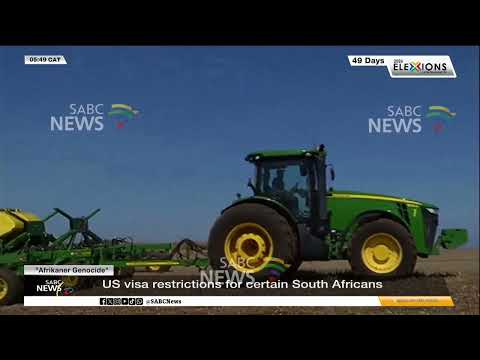
The State Department on September 15 announced visa restrictions on foreign nationals in South Africa it says are complicit in race-based discrimination and uncompensated land seizures. Secretary of State Marco Rubio said Pretoria has not addressed US concerns about government-sponsored discrimination against Afrikaners, a predominantly white ethnic group.

The policy names no individuals and imposes no blanket ban on South African travelers. It's the latest escalation in a two-year standoff over land reform and post-apartheid racial justice policies that the Trump administration calls discriminatory toward white citizens.

Why it matters

Visa bans on South African officials extend a US pressure campaign that has already cut aid and redirected refugee admissions toward Afrikaners.

Questions about this story

Free account needed to ask — your question is kept and asked for you right after sign-up. Answers are public.

No questions yet — be the first to ask.

Key Indicators

7,700+
Afrikaners admitted as US refugees
Admitted under the Trump administration's program prioritizing white South Africans for resettlement.
0
Individuals named in visa restriction announcement
The State Department did not identify any specific people subject to the new policy.
19 months
Duration of US-South Africa standoff
Months since Trump signed Executive Order 14204 halting aid to South Africa.

Voices

Curated perspectives — historical figures and your fellow readers.

Ever wondered what historical figures would say about today's headlines?

Sign up to generate historical perspectives on this story.

People Involved

Organizations Involved

Timeline

January 2025 September 2026

6 events Latest: Yesterday
Tap a bar to jump to that date
  1. Rubio announces visa restrictions on South African officials

    Latest Policy Announcement

    State Department targets foreign nationals in South Africa under Section 212(a)(3)(C) of the Immigration and Nationality Act.

  2. South Africa offers trade deal to US

    Diplomatic Proposal

    Pretoria offers a 'generous' trade arrangement to avoid hefty US tariffs threatening job losses.

  3. US admits 7,700+ Afrikaner refugees

    Policy Implementation

    Refugee program prioritizing white South Africans admits thousands while other refugee flows stay halted.

  4. US expels South African ambassador

    Diplomatic Action

    Washington expels Pretoria's ambassador amid escalating tensions over land reform policies.

  5. Trump signs Executive Order 14204

    Executive Order

    Halts US aid to South Africa, accusing the government of rights violations against Afrikaners.

  6. South Africa signs Expropriation Act

    Legislation

    Law permits land expropriation for public purposes, including 'nil compensation' in specific cases.

Scenarios

1

South Africa Expels US Diplomats in Retaliation

Possible Resolves by End of 2026

Discussed by: Reuters and CNN reporting on rapid bilateral deterioration

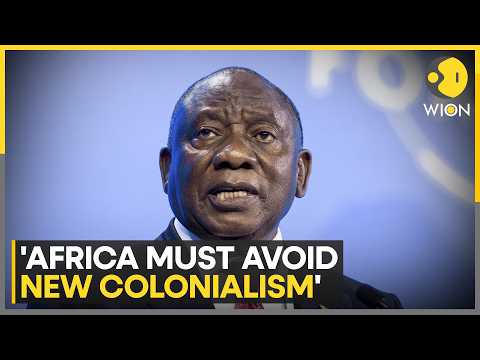
If Pretoria treats the visa policy as a diplomatic insult, it could respond by expelling US diplomats or recalling its ambassador from Washington. South Africa has already rejected claims that it discriminates against white citizens, and Ramaphosa has framed such assertions as threats to national sovereignty. An expulsion or recall would mark a major further step in a relationship that has already lost aid, ambassador-level ties, and now visa access.

2

Trade Deal Eases Tensions Despite Visa Policy

Possible Resolves by Q2 2027

Discussed by: Jacaranda FM and Gulf News reporting on South Africa's August trade offer

South Africa offered a 'generous' trade deal in August 2026 to avoid US tariffs that threaten job losses. If negotiations succeed and tariffs are avoided, the visa restrictions could remain a symbolic gesture rather than a further escalation point. This scenario hinges on Washington accepting economic engagement while maintaining political pressure.

3

Restrictions Stay Symbolic, Rift Simmers On

Likely Resolves by Sep 15, 2027

Discussed by: Newsweek and Inside Politics noting the policy names no individuals

The visa policy identifies no specific people, suggesting it may serve as a diplomatic signal rather than an active enforcement tool. If few or no individuals are actually barred from travel, the practical impact remains limited while the political impasse continues. Both governments maintain their public positions without further escalation.

Historical Context

3 moments from history that rhyme with this story — and how they unfolded.

1970-1989

US refugee admission for Soviet Jews (1970s-1980s)

The US used refugee admissions and the Jackson-Vanik amendment to pressure the Soviet Union over the treatment of Jewish citizens seeking to emigrate.

Then

Soviet emigration restrictions for Jews were eased in the late 1980s, allowing hundreds of thousands to leave.

Now

It established a pattern of using refugee resettlement as both humanitarian relief and diplomatic pressure.

Why this matters now

Trump's Afrikaner refugee program similarly uses resettlement policy to pressure South Africa over minority treatment.

October 1986

US Comprehensive Anti-Apartheid Act (1986)

Congress passed the act over President Reagan's veto, imposing sanctions on South Africa's apartheid government. It banned new investment, restricted trade, and demanded the release of Nelson Mandela and political prisoners.

Then

Sanctions increased pressure on the apartheid government, contributing to negotiations that led to Mandela's release in 1990 and multiracial elections in 1994.

Now

The act established the US position against racial discrimination in South Africa for nearly four decades.

Why this matters now

Today the US is taking similar coercive actions against South Africa for the opposite reason: alleged discrimination against white citizens rather than against Black citizens.

June 2020

Trump visa ban on ICC officials (2020)

President Trump authorized visa restrictions on International Criminal Court officials investigating US military personnel, also under Section 212(a)(3)(C) of the Immigration and Nationality Act.

Then

The ICC continued its investigations; the Biden administration lifted the restrictions in 2021.

Now

The action established precedent for using visa restrictions as a foreign policy tool against international officials.

Why this matters now

The same legal mechanism now targets South African officials, showing the administration's willingness to use visa policy as diplomatic leverage.

Sources

(10)