


Pull to refresh
Logo
U.S. trade commission advances pizza box dumping cases against three countries

U.S. trade commission advances pizza box dumping cases against three countries

Rule Changes

The ruling keeps antidumping and countervailing duty investigations alive; final duties would last at least five years.

Overview

Updated 2 hours ago

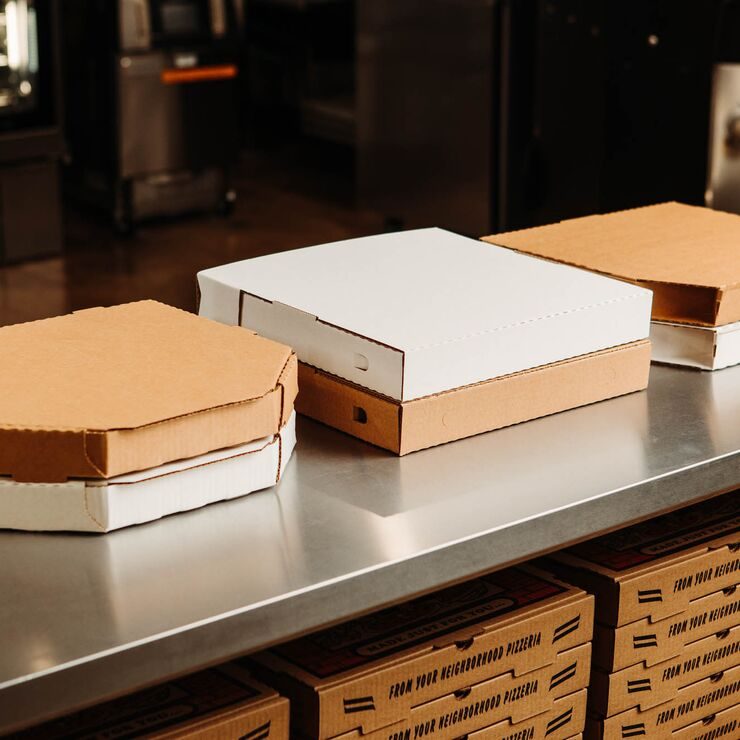
The U.S. International Trade Commission ruled on October 30 that imports of corrugated pizza boxes from China, Malaysia, and Turkey are materially injuring American producers. The affirmative preliminary vote keeps three trade cases alive and sends them to the Commerce Department for margin calculations.

The cases began with a September 9 petition from two U.S. box makers and a paperworkers union. If Commerce finds dumping or subsidies, importers could face provisional border taxes, and final orders would last at least five years.

Why it matters

Final duties would raise costs for importers of pizza boxes and could lift packaging prices for U.S. pizza shops.

Questions about this story

Free account needed to ask — your question is kept and asked for you right after sign-up. Answers are public.

No questions yet — be the first to ask.

Key Indicators

297.26%
Highest alleged dumping margin for China
The top of the range alleged in the petition, calculated using a surrogate country.
116.58%
Highest alleged dumping margin for Malaysia
The top of the alleged range for Malaysian imports.
92.81%
Highest alleged dumping margin for Turkey
Turkey also faces a countervailing duty investigation over alleged subsidies.
3
Countries covered
China, Malaysia, and Turkey are named in the investigations.

Voices

Curated perspectives — historical figures and your fellow readers.

Sign up to generate historical perspectives on this story.

Organizations Involved

Timeline

September 2026 April 2027

6 events Latest: 2 days ago
Tap a bar to jump to that date
  1. Commerce extends initiation deadline to review industry support

    Procedural

    Commerce adds 20 days because the petitions' industry support was unclear.

  2. U.S. producers and union file pizza box trade petitions

    Filing

    Smurfit Westrock, Pratt Industries, and the United Steelworkers ask for antidumping duties on China, Malaysia, and Turkey and countervailing duties on Turkey.

Scenarios

1

Final duties imposed on pizza boxes from all three countries

Likely Resolves by End of 2027

Discussed by: Wiley Rein LLP, counsel to the petitioners, in its case summary

Commerce issues affirmative preliminary and final margin determinations. The ITC then makes affirmative final injury determinations. Duty orders follow for China, Malaysia, and Turkey, and importers pay the assessed rates for at least five years. This is the path the petitioners are pressing and the one the preliminary vote makes most likely.

2

Commerce settles with exporters instead of imposing final duties

Possible Resolves by End of 2027

Discussed by: Trade lawyers who track suspension agreements as an alternative to litigation

Instead of final duties, Commerce negotiates suspension agreements with exporters or foreign governments. Exporters agree to price floors or export limits, and the investigations pause. The preliminary injury finding would remain on the record but no duties would be collected under the standard order process.

3

Final injury vote goes negative and the cases collapse

Unlikely Resolves by End of 2027

Discussed by: Trade defense practitioners who note that preliminary and final ITC votes can diverge

The ITC's preliminary finding is only a reasonable-indication standard. After a full record, the commissioners could vote negative on final injury, ending the cases even if Commerce calculates high margins. Importers would then face no duties and any provisional cash deposits would be refunded.

Historical Context

2 moments from history that rhyme with this story — and how they unfolded.

2012

U.S.-China solar cell trade case (2012)

The United States imposed antidumping and countervailing duties on solar cells made in China after finding that Chinese producers benefited from unfair subsidies and sold below fair value. China responded with its own duties on American polysilicon, a key solar input.

Then

The duties raised prices for solar developers and split the supply chain between cells made in China and cells assembled elsewhere.

Now

The case became a template for clean-energy trade disputes and pushed some manufacturing steps into Southeast Asia.

Why this matters now

It shows how a narrow product case can escalate into retaliation and reshape where a product is made.

2018

U.S. washing machine safeguard (2018)

The Trump administration imposed safeguard tariffs on large residential washing machines, starting at 20 percent and declining over three years. Samsung and LG, the main foreign suppliers, accelerated plans to assemble machines in the United States.

Then

Washer prices rose for U.S. consumers, and importers shifted production to avoid the tariffs.

Now

The tariffs drew World Trade Organization challenges and demonstrated that appliance-level duties can move factory investment.

Why this matters now

Pizza boxes are a low-value consumer product, but the same mechanism applies: duties can redirect sourcing and raise prices at the register.

Sources

(5)