



Pull to refresh
Logo
A bioavailable GPX4 inhibitor induces ferroptosis in mice and suppresses metastasis

A bioavailable GPX4 inhibitor induces ferroptosis in mice and suppresses metastasis

New Capabilities

KY0418 reaches tissue after oral dosing, but tumor shrinkage ranges from none to about 70%.

Overview

Updated 1 hour ago

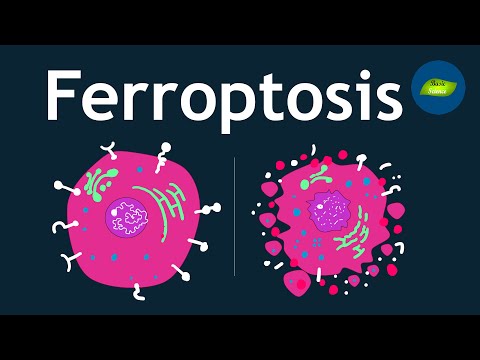
For more than a decade, ferroptosis researchers could trigger the iron-dependent cell death in a dish but not reliably in an animal. The compounds that block GPX4, the enzyme that keeps lipid peroxides in check, tended to fall apart in blood or fail to reach tissue. A study published in Cell on 21 October 2026 describes KY0418, a covalent GPX4 inhibitor designed to survive in plasma and distribute through the body after oral dosing in mice.

KY0418 attaches to a specific selenium-containing residue, SeCys46, and produced ferroptosis markers in human and mouse cancer cell lines. In mice, it caused the same ultrastructural changes as established inducers and generated detectable hydroxyl radicals. Subcutaneous tumors shrank by anywhere from nothing to about 70%, but the compound consistently cleared circulating tumor cells and suppressed metastasis across several models.

Why it matters

If the metastasis result holds, systemic GPX4 inhibition could target the circulating tumor cells that seed new tumors, not just the primary mass.

Questions about this story

Free account needed to ask — your question is kept and asked for you right after sign-up. Answers are public.

No questions yet — be the first to ask.

Key Indicators

~70%
Best subcutaneous tumor growth inhibition
The strongest response among several cancer models; others showed no effect.
0%
No growth inhibition in some tumor models
Response varied by cancer type within the same study.
Oral
Dosing route tested in mice
The compound was given by mouth and reached tissue.

Voices

Curated perspectives — historical figures and your fellow readers.

Sign up to generate historical perspectives on this story.

People Involved

Organizations Involved

Timeline

2012 October 2026

5 events Latest: October 21st, 2026 · 1 week ago
Tap a bar to jump to that date
  1. KY0418 induces ferroptosis in vivo and suppresses metastasis

    Latest Research

    The Cell paper reports an orally available covalent GPX4 inhibitor that clears circulating tumor cells in mice.

  2. Oral GPX4 inhibitors reported at cancer meeting

    Research

    A series of selective inhibitors shrank tumors in mouse models and combined with PD-L1 blockade.

  3. First bioavailable GPX4 inhibitor reaches mouse tumors

    Research

    Compound 24 reached its target in mice but did not slow tumor growth at tolerated doses.

  4. GPX4 identified as the brake on ferroptosis

    Research

    Glutathione peroxidase 4 emerged as the enzyme that keeps lipid peroxides in check; blocking it triggers ferroptosis.

  5. Ferroptosis gets a name

    Research

    Scott Dixon and colleagues described an iron-dependent cell death triggered by erastin that looked different from apoptosis and necrosis.

Scenarios

1

A KY0418-derived GPX4 inhibitor enters human testing

Possible Resolves by End of 2029

Discussed by: Not yet publicly analyzed; the Cell paper stops at mouse models.

The paper is a mouse study, not a clinical trial. Translation would require an investigational new drug application and a first-in-human protocol. Watch for a ClinicalTrials.gov listing or a company announcement naming a GPX4 inhibitor derived from this chemistry.

2

Independent labs reproduce the metastasis result

Possible Resolves by End of 2027

Discussed by: Not yet publicly analyzed; the claim comes from a single Cell paper.

The metastasis finding is the paper's most distinctive claim and the one most likely to be tested by other labs. Independent groups would need to reproduce the circulating tumor cell clearance in their own models. A failure to replicate would narrow the compound's value to a research tool.

3

Toxicity limits systemic GPX4 inhibition to short courses

Possible Resolves by Q2 2028

Discussed by: Not yet publicly analyzed; based on GPX4's known role in normal cells.

GPX4 is essential for normal cell survival, and mice lacking it die in utero. A drug that inhibits it systemically could damage healthy tissue, especially the kidney and liver. If repeated dosing causes organ toxicity, the compound's use would be limited to short courses or local delivery.

Historical Context

3 moments from history that rhyme with this story — and how they unfolded.

2012

Ferroptosis named (2012)

Scott Dixon and colleagues described a form of iron-dependent cell death triggered by the compound erastin. It looked different from apoptosis, necrosis and autophagy, and they called it ferroptosis.

Then

The name gave researchers a shared category for a death pathway they had been seeing without a label.

Now

Ferroptosis became a fast-growing area of cancer and cell-death research.

Why this matters now

KY0418 is designed to trigger this specific death pathway.

2014

GPX4 identified as the central regulator (2014)

Wan Seok Yang and colleagues showed that glutathione peroxidase 4 (GPX4) is the enzyme that keeps lipid peroxides in check. Blocking GPX4 triggers ferroptosis, and the compound RSL3 was found to inhibit it.

Then

GPX4 became the field's main drug target.

Now

RSL3 and related compounds became standard lab tools, but poor stability kept them out of animals.

Why this matters now

KY0418 is the latest attempt to make GPX4 inhibition work in a living animal.

March 2023

First bioavailable GPX4 inhibitor (2023)

A team reported compound 24, a chloroacetamide analog of RSL3, with a plasma half-life above five hours in mice. It reached its target in tumors but, at tolerated doses, did not slow tumor growth.

Then

The result showed that bioavailability alone was not enough to produce an anti-tumor effect.

Now

It set the bar KY0418 had to clear: target engagement plus a measurable effect on tumors.

Why this matters now

The 2023 compound is the direct predecessor KY0418 is measured against.

Sources

(6)