



Pull to refresh
Logo
First in vivo CRISPR therapy nears FDA approval after four-year durability data

First in vivo CRISPR therapy nears FDA approval after four-year durability data

New Capabilities

Intellia's lonvo-z switches off a liver gene to prevent hereditary angioedema attacks; FDA decision due March 10, 2027.

Overview

Updated 52 minutes ago

For people with hereditary angioedema, a swelling attack can close the throat. Standard prevention means frequent injections or daily pills. A single infusion that edits a gene inside the liver has now kept working for four years, according to Intellia Therapeutics.

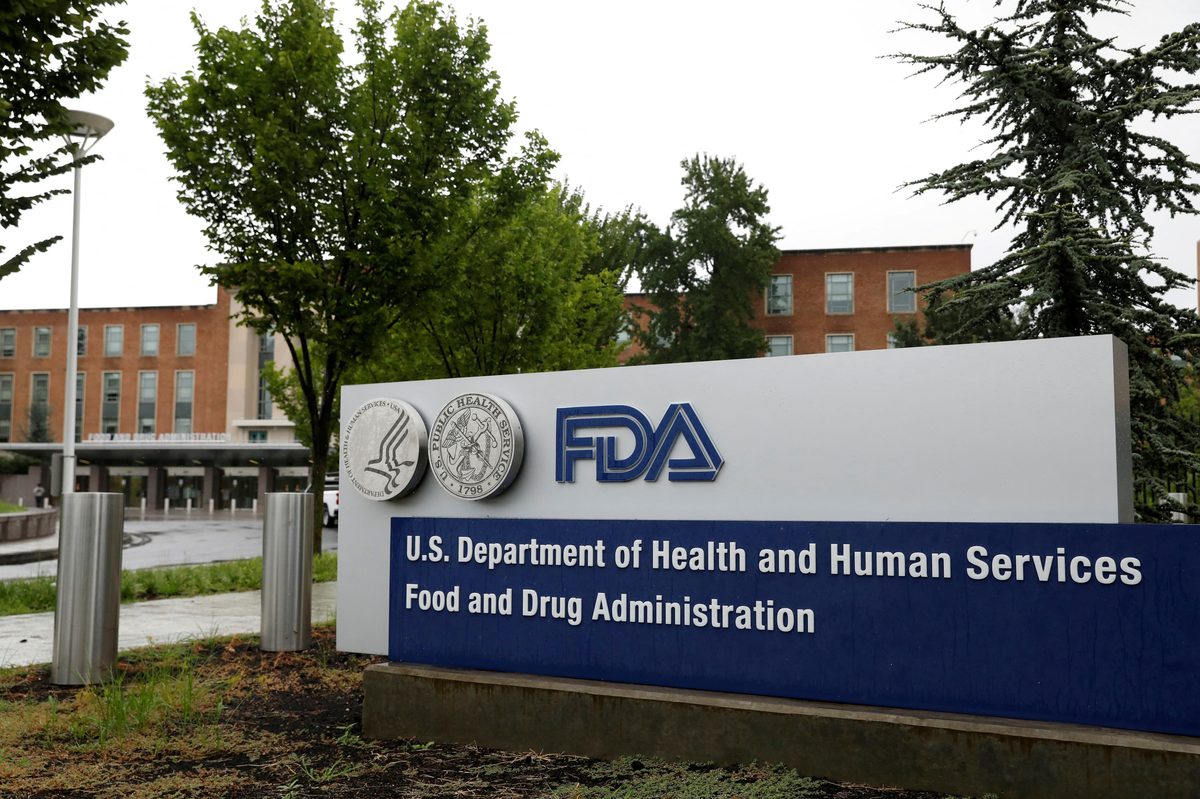
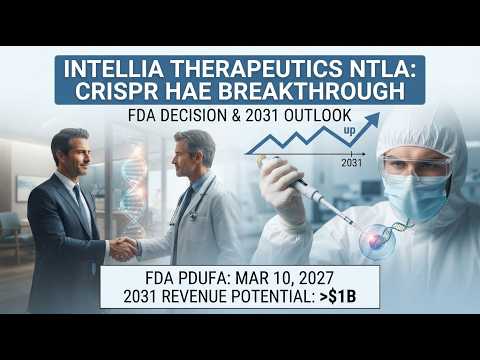
The therapy, lonvoguran ziclumeran, uses CRISPR-Cas9 to disable KLKB1, the gene for prekallikrein, a protein that drives vessel leakage. The FDA accepted Intellia's application for priority review and is due to decide by March 10, 2027. If approved, it would be the first CRISPR medicine delivered directly inside the body.

Why it matters

If approved, it would replace lifelong injections for some patients with one infusion, and prove in vivo CRISPR can work.

Questions about this story

Free account needed to ask — your question is kept and asked for you right after sign-up. Answers are public.

No questions yet — be the first to ask.

Key Indicators

87%
Reduction in monthly swelling attacks
Compared with placebo over weeks 5 to 28 in the Phase 3 HAELO trial.
62%
Patients attack-free and therapy-free
For six months after a single 50 mg infusion, versus 11% on placebo.
4 years
Follow-up with no off-target effects observed
Intellia-reported data; no liver biopsies were performed.
80
Patients in Phase 3 trial
Randomized 2:1 to lonvo-z or placebo.
Mar 10, 2027
FDA target action date
Priority review; no advisory committee currently planned.

Voices

Curated perspectives — historical figures and your fellow readers.

Sign up to generate historical perspectives on this story.

People Involved

Organizations Involved

Timeline

June 2026 November 2026

4 events Latest: 3 days ago
Tap a bar to jump to that date
  1. Intellia releases four-year durability data

    Latest Company

    Nature News reports the therapy remains effective four years after treatment.

  2. Four-year follow-up reported

    Research

    An interview-based report says patients have been followed over four years with no off-target effects observed.

  3. FDA accepts BLA for priority review

    Regulatory

    The agency sets a target action date of March 10, 2027, and does not plan an advisory committee.

  4. Phase 3 HAELO results published

    Research

    The New England Journal of Medicine publishes trial data showing an 87% reduction in monthly attacks.

Scenarios

1

FDA approves lonvo-z by March 10, 2027

Likely Resolves by Mar 10, 2027

Discussed by: Nature News, Intellia Therapeutics

The FDA accepted the application with priority review and no advisory committee is planned. A single 50 mg infusion cut attacks by 87% against placebo, and Intellia reported no serious adverse events in the treated arm.

2

FDA delays lonvo-z decision or issues complete response letter

Possible Resolves by Mar 10, 2027

Discussed by: Independent clinicians, Bioweek

Durability rests on company-reported follow-up without liver biopsies. Regulators could ask for more data on off-target edits or manufacturing before granting approval.

3

FDA approves lonvo-z with a restricted label or registry

Possible Resolves by Mar 10, 2027

Discussed by: Bioweek, independent clinicians

An irreversible edit in a disease with existing prophylaxis may lead the FDA to limit use to patients who fail current therapy, or require long-term safety tracking.

Historical Context

2 moments from history that rhyme with this story — and how they unfolded.

December 2023

Casgevy approval (2023)

The FDA approved Casgevy, the first CRISPR therapy, for sickle cell disease. It edits blood stem cells removed from the body, then reinfuses them after chemotherapy.

Then

Rollout was slow because of cost, complex manufacturing and the need for chemotherapy.

Now

It proved CRISPR could be a marketed medicine, but only through an ex vivo, patient-specific process.

Why this matters now

Lonvo-z would skip cell removal and chemotherapy, testing whether in vivo editing can be simpler and safer.

May 2019

Zolgensma approval (2019)

The FDA approved Zolgensma, a one-time intravenous gene therapy for spinal muscular atrophy. It uses a viral vector to deliver a working gene to cells throughout the body.

Then

The high price and liver safety monitoring shaped its rollout.

Now

It showed systemic gene delivery can work, while making long-term safety surveillance a condition of use.

Why this matters now

Lonvo-z also infuses genetic medicine systemically, but it edits DNA rather than adding a working gene.

Sources

(5)