



Pull to refresh
Logo
Novartis reports tumors in children treated with Zolgensma gene therapy

Novartis reports tumors in children treated with Zolgensma gene therapy

New Capabilities

Nine tumor cases, two with evidence the AAV delivery virus integrated into patient DNA, draw regulatory review

Overview

Updated 59 minutes ago

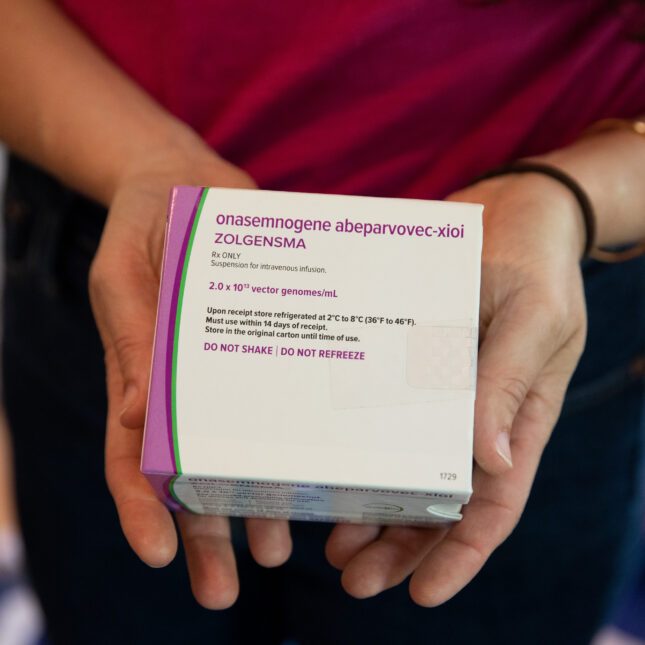
Nine children who received Zolgensma, a one-time gene therapy for spinal muscular atrophy, later developed tumors. In two of the three cases tested, Novartis found evidence the virus used to deliver the treatment had inserted itself into the patient's DNA.

It is the first time the company has confirmed vector integration in patients who developed tumors. That puts a long-theorized risk at the center of the field's most commercially successful product, with more than 6,000 people treated worldwide since 2019.

Why it matters

If regulators tie the vector to cancer, monitoring rules for every AAV gene therapy change, and so does the choice facing parents.

Questions about this story

Free account needed to ask — your question is kept and asked for you right after sign-up. Answers are public.

No questions yet — be the first to ask.

Key Indicators

9
Tumor cases reported
Children who developed tumors after receiving Zolgensma, per Novartis.
2
Cases with vector DNA integration
Tumors where testing found the AAV delivery virus fused into patient DNA.
3
Tumors tested so far
One of the three tested tumors appears unrelated to the treatment.
6,000
Patients treated worldwide
People who have received Zolgensma since its 2019 approval.
$1.1B
Zolgensma sales, first nine months of 2026
The therapy recorded more than $1 billion in sales last year.

Voices

Curated perspectives — historical figures and your fellow readers.

Sign up to generate historical perspectives on this story.

People Involved

Organizations Involved

Timeline

May 2019 November 2026

5 events Latest: Today
Tap a bar to jump to that date
  1. Novartis reports nine tumor cases

    Today Statement

    Two of three tested tumors show vector DNA integration; one appears unrelated.

  2. Second Zolgensma cancer case report

    Research

    Another case report emerges, again without a confirmed causal link.

  3. First Zolgensma cancer case report

    Research

    A case report describes cancer in a Zolgensma recipient, without a definitive link.

  4. AAV cancer concern gains attention

    Research

    A UniQure gene therapy recipient develops liver cancer, prompting an FDA meeting on monitoring.

  5. Zolgensma approved in the U.S.

    Regulatory

    The FDA clears the one-time gene therapy for spinal muscular atrophy in young children.

Scenarios

1

Regulators update Zolgensma's label but keep it on the market

Likely Resolves by Q2 2027

Discussed by: Novartis, Cure SMA and SMA Europe, which say authorities are reviewing the data

Regulators conclude the cases are rare enough that the benefit of treating a fatal childhood disease still outweighs the risk. They add or strengthen a warning about vector integration and tumor risk, and recommend continued long-term monitoring rather than restricting use.

2

A regulator restricts Zolgensma use in some patients

Possible Resolves by Q2 2027

Discussed by: Patient groups and gene therapy researchers tracking the AAV integration signal

If more tested tumors show vector integration, the FDA or EMA could narrow the approved indication, add a contraindication, or pause use in certain age groups. That would force doctors to weigh alternatives such as Biogen's Spinraza or Roche's Evrysdi, which do not alter the genome.

3

Evidence points to a class-wide AAV cancer risk

Unlikely Resolves by End of 2028

Discussed by: Gene therapy researchers and regulators who have debated AAV integration for years

Additional cases or registry analyses link vector integration to tumors in more than one AAV-based product, prompting broader genotoxicity testing and longer monitoring requirements across the field. That would raise development costs and timelines for hemophilia and neuromuscular gene therapies.

Historical Context

2 moments from history that rhyme with this story — and how they unfolded.

1999-2002

SCID-X1 gene therapy leukemia cases (1999-2002)

Early gene therapy trials in France and the United Kingdom used retroviruses to treat boys born with X-linked severe combined immunodeficiency. The approach restored immune function in most patients, but the viral vector inserted near cancer genes in some children. Roughly five developed leukemia and one died.

Then

Trials were halted and regulators tightened rules for integrating vectors.

Now

The field shifted toward vectors designed to avoid inserting near cancer genes, and long-term patient monitoring became standard.

Why this matters now

It is the clearest precedent for a gene therapy that works but carries a cancer risk from vector insertion, the same mechanism now under scrutiny in Zolgensma.

2021

UniQure hemophilia gene therapy liver cancer case (2021)

A recipient of a UniQure gene therapy for hemophilia B developed liver cancer, raising fears that the AAV delivery virus had caused it. The case drew attention at an FDA meeting where researchers called for greater monitoring.

Then

The treatment was later exonerated, and the cancer was not attributed to the vector.

Now

The episode kept AAV integration on regulators' agenda and fed demands for long-term follow-up.

Why this matters now

It shows how a single cancer case can trigger a field-wide safety debate even when the link is later disproven, which is the question now facing Zolgensma.

Sources

(5)