
Pull to refresh
Logo
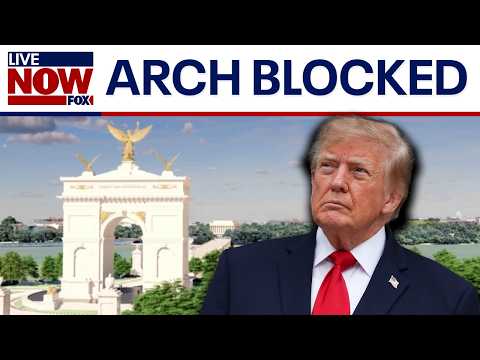
Judge blocks Trump's arch hours after federal approval

Judge blocks Trump's arch hours after federal approval

Rule Changes

A 14-day order halts work at Memorial Circle while courts weigh whether Congress ever authorized the 250-foot monument

Overview

Updated 1 hour ago

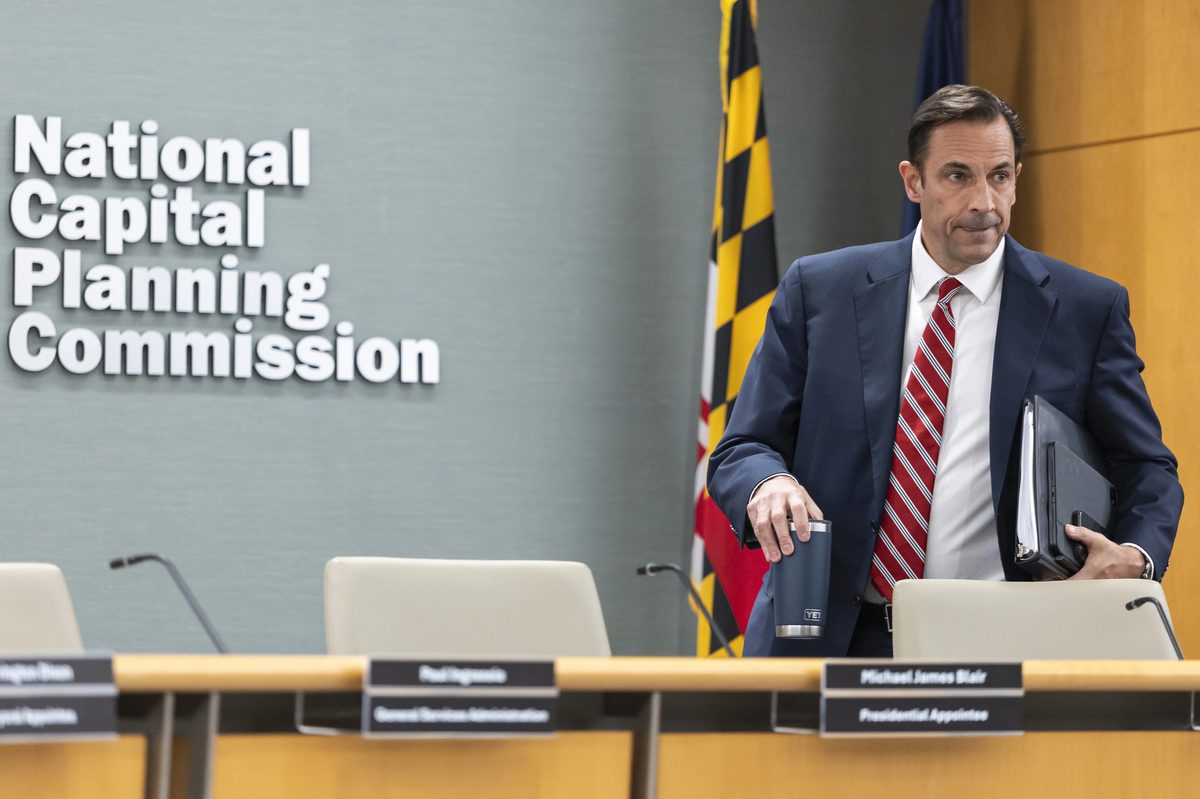
Just before midnight on Nov. 5, Judge Tanya Chutkan barred the government from doing any construction work at Memorial Circle for 14 days. Less than two hours earlier, a federal planning commission had voted 8-4 to let the project begin.

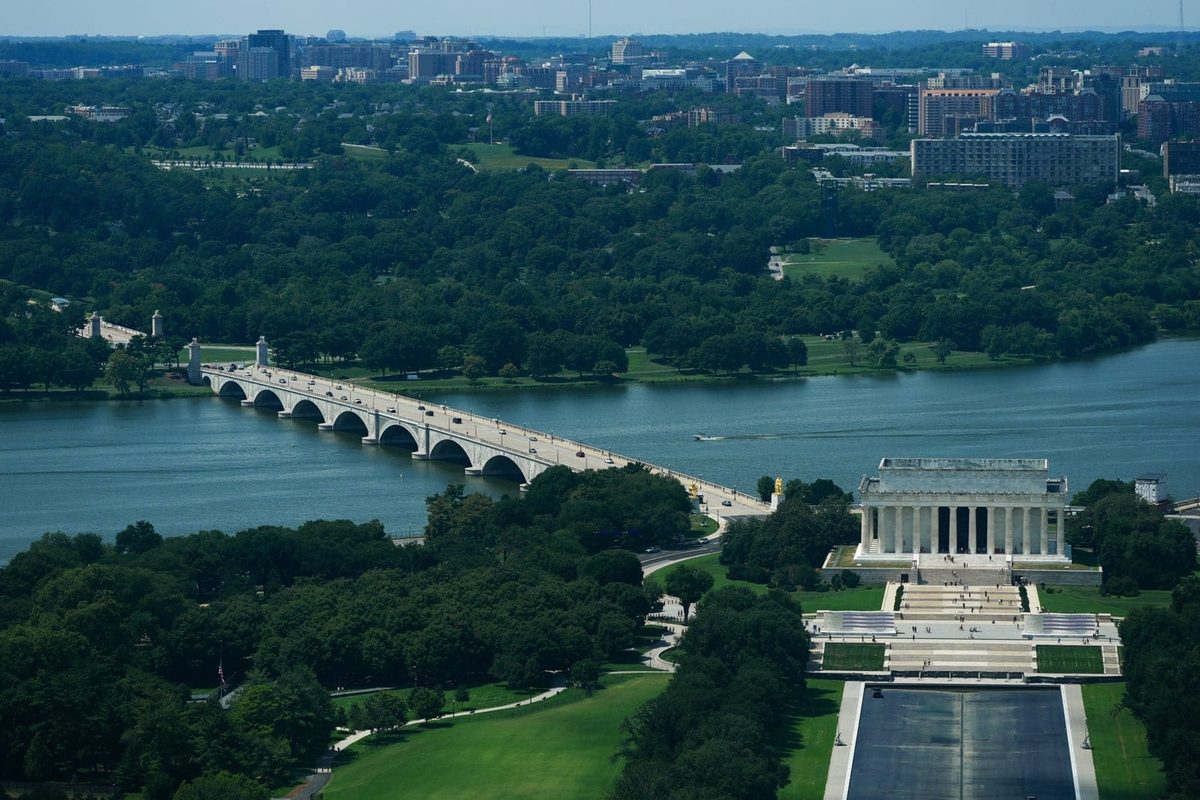
The order freezes a 250-foot gilded arch that President Trump wants on the traffic island between the Lincoln Memorial and Arlington National Cemetery. It also sets up a test of whether a president can build a national monument without Congress.

Why it matters

The case tests whether a president can start a three-year construction project on federal parkland while courts weigh whether Congress authorized it.

Questions about this story

Free account needed to ask — your question is kept and asked for you right after sign-up. Answers are public.

No questions yet — be the first to ask.

Key Indicators

250 ft
Planned arch height
The gilded arch would stand 250 feet tall at Memorial Circle, on the D.C. end of Arlington Memorial Bridge.
14 days
Construction ban
Chutkan's order blocks any work or site preparation while the court considers the legal challenges.
8-4
Planning commission vote
The National Capital Planning Commission approved the project after nearly nine hours of public testimony.
131
Witnesses signed up to testify
The virtual meeting ran so long that the livestream crashed and had to be restored.
33-39 months
Estimated construction time
The government's schedule includes six to eight months of excavation and foundation work before anything rises above ground.

Voices

Curated perspectives — historical figures and your fellow readers.

Sign up to generate historical perspectives on this story.

People Involved

Organizations Involved

Timeline

1925 November 2026

8 events Latest: Yesterday
Tap a bar to jump to that date
  1. Planning commission opens virtual meeting

    Latest Hearing

    131 people signed up to speak. The livestream crashed minutes in and had to be restored.

  2. Commission approves arch 8-4

    Decision

    Deliberation lasted under an hour. A motion to postpone until December failed 4-8.

  3. Construction lines painted at Memorial Circle

    Construction

    The government's designated construction firm painted white lines on the grass, apparently without Park Service authorization.

  4. Congress authorizes two columns at Memorial Circle

    Legislation

    Congress approved a pair of 166-foot columns for the site. They were never built. The administration now cites that vote as authority for the arch.

Scenarios

1

Courts block the arch permanently

Possible Resolves by Q2 2027

Discussed by: Public Citizen, D.C. and Virginia, and Democratic lawmakers who say Congress never approved the project

Chutkan's 14-day order becomes a longer preliminary injunction, then a ruling that the 1925 column authorization does not cover a 250-foot arch. The government would have to seek new legislation or abandon the design. The administration's sealed national security filings would face scrutiny in the process.

2

Administration wins and construction begins

Possible Resolves by Q1 2027

Discussed by: Trump administration lawyers and the project's supporters on the planning commission

The government argues the 1925 authorization covers the site and that the planning commission's approval satisfies federal review. If a court accepts that, excavation and foundation work could start within weeks of the 14-day order expiring, with above-ground work following months later.

3

Congress defunds or prohibits the arch

Uncertain Resolves by End of 2027

Discussed by: Rep. Don Beyer and Rep. Jared Huffman, who expect a Democratic majority in January

Democrats take control of Congress in January 2027 and attach language to an appropriations bill blocking the project. Beyer's standalone bill would prohibit and defund the arch; he expects co-sponsors to grow from 80 to at least 200. A funding fight would not need a court ruling to stop construction.

4

Arch is redesigned or relocated

Unlikely Resolves by End of 2027

Discussed by: Historic preservation experts and commission critics who raised height, view and airspace concerns

A negotiated outcome would shrink the arch, move it off Memorial Circle, or replace it with a smaller monument consistent with D.C. height limits. No party has publicly proposed this, and the administration has shown no sign of accepting it.

Historical Context

3 moments from history that rhyme with this story — and how they unfolded.

1925

Congress authorizes Memorial Circle columns (1925)

Congress approved two 166-foot columns for Memorial Circle as part of a broader plan for the area around the Lincoln Memorial. The columns were never built.

Then

The authorization sat unused for a century.

Now

The Trump administration now cites the 1925 vote as congressional approval for a 250-foot arch, a reading the plaintiffs dispute.

Why this matters now

The entire legal fight turns on whether a 101-year-old authorization for two columns covers a single gilded arch more than 80 feet taller.

1981-1982

Vietnam Veterans Memorial design controversy (1981-1982)

Maya Lin's design for the Vietnam Veterans Memorial, a black granite wall sunk into the ground near the Lincoln Memorial, drew organized opposition from veterans and politicians who wanted a more traditional monument. The Commission of Fine Arts and Interior Secretary James Watt held up approval.

Then

A compromise added a flag, a statue of three soldiers and a plaque at the site.

Now

The wall became the most visited memorial in Washington, and the compromise elements were later seen as secondary.

Why this matters now

It shows how a memorial near the same ground can be approved, fought over and altered, and how design disputes get resolved through institutions rather than courts alone.

2011-2013

Martin Luther King Jr. Memorial inscription removed (2011-2013)

A paraphrased quote on the memorial's Stone of Hope, "I was a drum major for justice, peace and righteousness," was criticized as inaccurate and out of context. The sculptor, Lei Yixin, had carved it into the granite.

Then

The National Park Service removed the inscription in 2013 by sandblasting the stone.

Now

The episode set a precedent that memorial text and design can be revised after construction when the record is disputed.

Why this matters now

It shows that even a completed national memorial on federal parkland can be changed, which matters if the arch is built and later challenged.

Sources

(7)