
Pull to refresh
Logo
Judge halts taxpayer-funded pro-Trump ads after millions spent

Judge halts taxpayer-funded pro-Trump ads after millions spent

Rule Changes

Trump said his super PAC would pay for the ads; government spending continued, and a federal judge ordered them off air

Today: White House confirms ads stopped

Overview

Updated 2 hours ago

The U.S. government spent nearly $22 million of taxpayer money airing ads that promote President Donald Trump. About $10 million of that came after Trump said his super PAC would take over the funding.

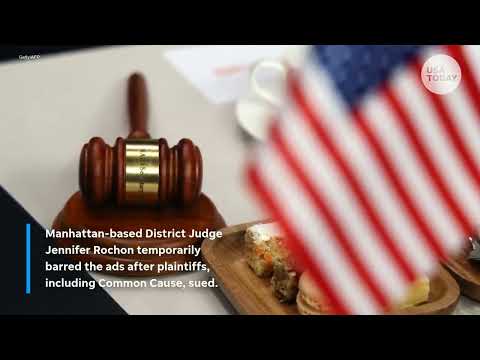
A federal judge ordered the ads off the air on Oct. 11, ruling they likely violate the ban on using appropriated funds for publicity or propaganda. The White House says it won't reimburse the money already spent, and a separate complaint alleges the shift to MAGA Inc. broke campaign finance law.

Why it matters

The ruling tests whether presidents can use agency funds for political messaging — and whether $22 million gets repaid.

Questions about this story

Free account needed to ask — your question is kept and asked for you right after sign-up. Answers are public.

No questions yet — be the first to ask.

Key Indicators

$22M
Total taxpayer funds spent on ads
Nearly $22 million in taxpayer dollars aired the pro-Trump spots, per NPR's analysis of AdImpact data.
$10M
Spent after Trump's super PAC pledge
About $10 million was spent after Oct. 5, when Trump said MAGA Inc. would fund the ads.
$20M
Allocated from Customs and Border Protection
DHS allocated $20 million for the ads, classified as public service announcements, from CBP funds.
5
Ads in the campaign
Five ads cover pro-Trump content, including one nearly identical to a 2024 Trump campaign ad.

Voices

Curated perspectives — historical figures and your fellow readers.

Ever wondered what historical figures would say about today's headlines?

Sign up to generate historical perspectives on this story.

People Involved

Organizations Involved

Timeline

September 2026 October 2026

5 events Latest: Today
Tap a bar to jump to that date
  1. White House confirms ads stopped

    Today Statement

    White House confirms last taxpayer-funded PSAs aired; no reimbursement planned for money already spent.

  2. Trump says super PAC will fund ads

    Statement

    Trump posts that MAGA Inc. will fund the ads going forward. Government-funded ads keep airing.

  3. Ad campaign begins

    Statement

    Taxpayer funds air pro-Trump spots nationwide, including one nearly identical to a 2024 campaign ad.

Scenarios

1

Court permanently blocks taxpayer-funded political ads

Likely Resolves by Q2 2027

Discussed by: Common Cause and co-plaintiffs

The temporary injunction becomes permanent after the full case is heard. Judge Rochon already found plaintiffs likely to succeed on the merits, so the main question is whether the administration can show the ads are legitimate public service announcements. If the ruling holds, the administration can't use DHS funds for such ads and may face repayment.

2

Administration resumes ads after injunction expires

Possible Resolves by End of 2026

Discussed by: Scripps News

The injunction blocks ad buys for two weeks. If the administration wants to resume the campaign at taxpayer expense, Department of Justice lawyers would need to get the order lifted. The White House has called the ads public service announcements and defended them as patriotic.

3

FEC finds MAGA Inc. funding violated campaign finance law

Possible Resolves by End of 2027

Discussed by: Campaign Legal Center

CLC's complaint alleges Trump violated rules against federal officeholders raising and spending super PAC money. Trump has said in public statements that he controls MAGA Inc. If the FEC finds reason to believe a violation occurred, it could open an enforcement action.

Historical Context

2 moments from history that rhyme with this story — and how they unfolded.

January 2005

Armstrong Williams / Education Department (2005)

In 2005, it emerged that the Education Department paid conservative commentator Armstrong Williams $240,000 to promote the No Child Left Behind Act. Williams was required to pitch the law to other journalists and to the public.

Then

The Government Accountability Office found the payments violated the ban on covert propaganda. The department's press secretary resigned.

Now

The case became a standard example of illegal government-funded publicity, cited in debates over the publicity and propaganda ban.

Why this matters now

The current ads face the same legal question: whether taxpayer funds were used to promote the administration's political message in violation of the publicity and propaganda ban.

2018-2019

Kellyanne Conway Hatch Act violations (2018-2019)

The Office of Special Counsel found Conway, a White House adviser, repeatedly violated the Hatch Act by using her official position to attack Democratic candidates. OSC recommended her removal in 2019.

Then

Conway remained in her role; the White House defended her. The violations were documented in multiple OSC reports.

Now

The case highlighted the limits of Hatch Act enforcement, which relies on the president to discipline officials.

Why this matters now

The ads raise similar questions about whether federal employees used official resources for political purposes, and whether the Hatch Act applies to the ad campaign.

Sources

(9)