Gabon's media regulator announced the indefinite suspension of Facebook, TikTok, WhatsApp, YouTube, and Instagram on February 17, 2026, as teachers entered their third month of strikes and civil servants threatened walkouts. The government cited false information and cyberbullying; the opposition called it a constitutional violation designed to suppress dissent. VPN demand spiked 8,000% within hours.
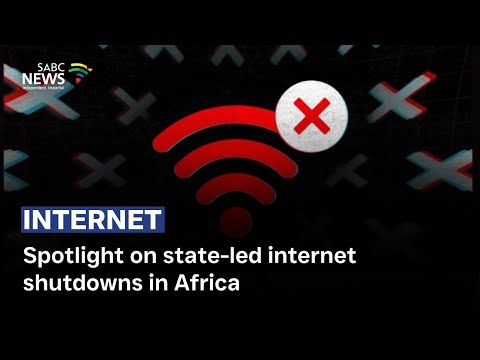
The shutdown follows a now-familiar script across the continent. Africa recorded 21 internet shutdowns in 2024, a regional record, costing economies over $1.6 billion. From Egypt's 2011 blackout during the Arab Spring to Nigeria's seven-month Twitter ban in 2021, governments have increasingly reached for the digital kill switch during moments of political pressure. Shutdowns often escalate rather than suppress protest, while imposing steep economic costs on businesses that depend on social platforms.