
Pull to refresh
Logo
Daily Brief
Following
Why
AGOA trade program extended amid uncertainty over US-Africa relations

AGOA trade program extended amid uncertainty over US-Africa relations

Rule Changes
By Newzino Staff |

After four months without the landmark trade preference, African exporters get a one-year reprieve—with strings attached

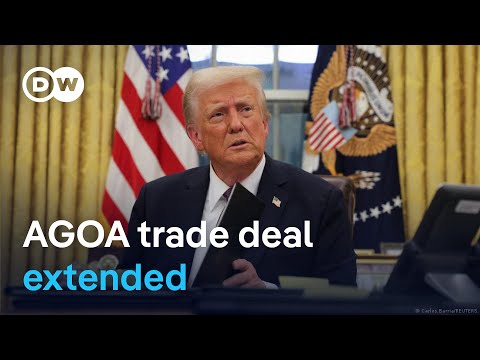
February 5th, 2026: Trump Signs AGOA Extension Into Law

Overview

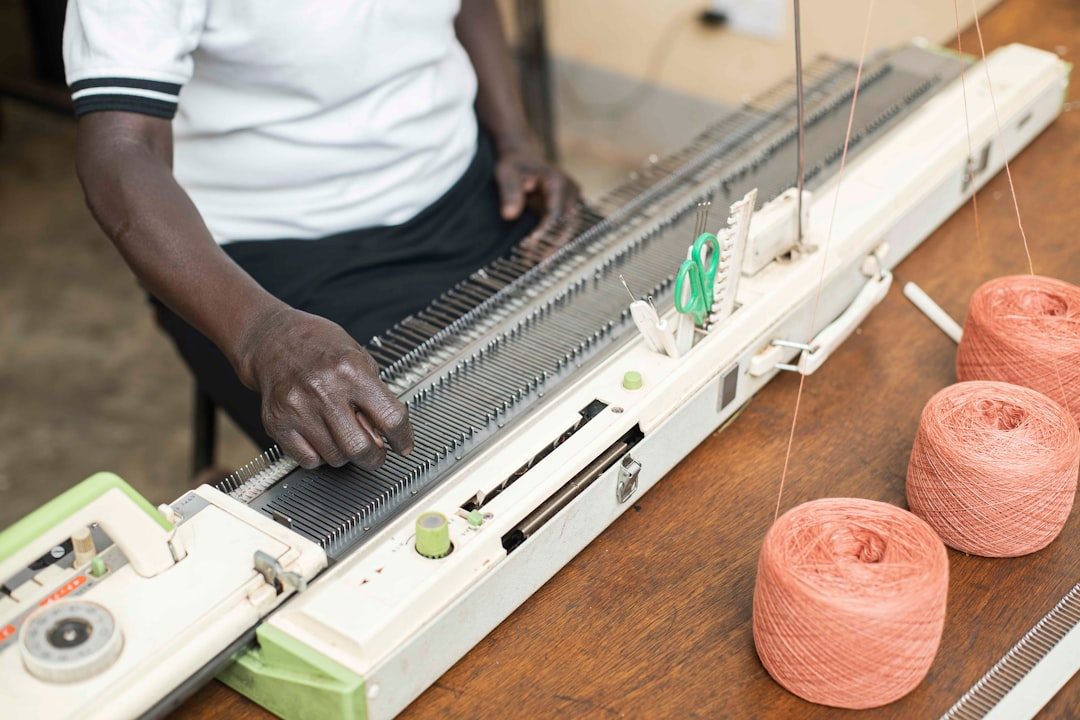
For a quarter century, the African Growth and Opportunity Act let 32 sub-Saharan African countries ship goods to America duty-free—supporting roughly 1.3 million jobs across the continent. When Congress let the program expire in September 2025, textile workers in Lesotho lost their livelihoods, Kenyan jeans manufacturers laid off a thousand workers, and African governments scrambled to negotiate. Four months later, President Trump signed a one-year extension through December 2026.

The renewal restores duty-free access retroactively, but the short timeline signals a fundamental renegotiation is coming. The Trump administration wants what it calls 'reciprocal' access for American goods—a departure from the development-focused, one-way trade preferences that defined AGOA since President Clinton signed it in 2000. For South Africa, the continent's largest economy and second-largest AGOA beneficiary, the extension changes little: 30% tariffs imposed separately by the Trump administration still override most AGOA benefits.

Key Indicators

$8B
2024 AGOA Imports
Total value of African exports entering the US under AGOA in 2024, down 13% from the previous year
1.3M
Jobs at Risk
Estimated direct and indirect jobs in Africa dependent on AGOA-eligible exports
1 Year
Extension Length
Duration of the new extension through December 2026, compared to the 10-year renewal in 2015
32
Eligible Countries
Sub-Saharan African nations that can export over 1,800 products duty-free under AGOA

Interactive

Exploring all sides of a story is often best achieved with Play.

Ever wondered what historical figures would say about today's headlines?

Sign up to generate historical perspectives on this story.

Sign Up

Debate Arena

Two rounds, two personas, one winner. You set the crossfire.

People Involved

Jamieson Greer
Jamieson Greer
United States Trade Representative (Leading AGOA modernization effort)
Parks Tau
Parks Tau
South African Minister of Trade, Industry and Competition (Negotiating with US amid 30% tariff burden)

Organizations Involved

Office of the United States Trade Representative
Federal Agency
Status: Overseeing AGOA modernization

The principal trade advisory and negotiating body for the United States, responsible for administering AGOA eligibility reviews.

U.S. Congress
U.S. Congress
Legislative Body
Status: Passed one-year AGOA extension

The bicameral legislature that authorized AGOA in 2000 and has renewed it multiple times since.

Timeline

  1. Trump Signs AGOA Extension Into Law

    Legislation

    President Trump signs the one-year extension with retroactive effect to September 30, 2025. USTR Greer announces plans to 'modernize' the program.

  2. Senate Reduces Extension to One Year

    Legislation

    The Senate amends the bill to extend AGOA only through December 2026. The House accepts the amendment.

  3. House Passes Three-Year Extension

    Legislation

    The US House of Representatives votes 340-54 to extend AGOA through December 2028.

  4. African Exporters Face New Tariffs

    Economic Impact

    Kenyan apparel manufacturers announce layoffs of roughly 1,000 workers. Lesotho textile workers protest job cuts in the capital Maseru.

  5. AGOA Expires Without Renewal

    Deadline

    The program lapses for the first time in its 25-year history as Congress fails to pass an extension before the deadline.

  6. Obama Signs 10-Year AGOA Extension

    Legislation

    Congress passes the AGOA Extension and Enhancement Act of 2015, extending the program through September 2025 following contentious debate.

  7. AGOA III Extends Program to 2015

    Legislation

    The AGOA Acceleration Act of 2004 extends the program through 2015 and expands textile provisions.

  8. Bush Signs AGOA II Amendments

    Legislation

    President George W. Bush signs the Trade Act of 2002, substantially expanding preferential access for African imports and strengthening the program.

  9. President Clinton Signs AGOA Into Law

    Legislation

    The African Growth and Opportunity Act becomes law, offering duty-free access for over 1,800 products from eligible sub-Saharan African countries. The program is authorized through September 2008.

Scenarios

1

AGOA Transformed Into Reciprocal Trade Framework

Discussed by: USTR statements, Carnegie Endowment for International Peace, African Business

The Trump administration uses the one-year extension to negotiate bilateral agreements requiring African countries to reduce barriers to American agricultural exports and goods. Countries that agree get continued duty-free access; those that resist face exclusion. This would fundamentally change AGOA from a development tool to a reciprocal trade arrangement.

2

South Africa Excluded From AGOA

Discussed by: Semafor, Daily Maverick, Carnegie Endowment

President Trump orders an 'out of cycle review' of South Africa's eligibility, citing grievances beyond trade. Given the administration's existing 30% tariffs on South African goods and diplomatic tensions, South Africa fails the review and loses AGOA benefits entirely, creating a precedent for political eligibility decisions.

3

Congress Passes Longer-Term Extension in Late 2026

Discussed by: US Chamber of Commerce, Brookings Institution

Bipartisan support for African trade—evidenced by the House's 340-54 vote—leads to a multi-year extension before the December 2026 deadline. Business groups successfully argue that investment requires longer planning horizons than one-year renewals allow.

4

AGOA Allowed to Expire Permanently

Discussed by: Coalition for a Prosperous America, Heritage Foundation

The administration and protectionist lawmakers argue AGOA has failed to generate sufficient reciprocal benefits for American workers. Congress does not act before December 2026, and the program ends after 26 years, forcing African exporters to shift toward European and Chinese markets.

Historical Context

Caribbean Basin Initiative (1984)

January 1984 - Present

What Happened

The Reagan administration launched the Caribbean Basin Initiative to promote economic development and political stability in Central America and the Caribbean through one-way trade preferences—the same model later applied to Africa through AGOA. The program offered duty-free access for exports to the US market without requiring reciprocal access for American goods.

Outcome

Short Term

The program helped Caribbean nations build export industries, particularly in textiles and apparel, creating jobs in countries vulnerable to political instability.

Long Term

The CBI established the template for US development-focused trade preferences that AGOA later followed. It remains in effect, though repeatedly renewed in short-term extensions similar to AGOA's current situation.

Why It's Relevant Today

AGOA was explicitly modeled on the Caribbean Basin Initiative. The current debate about converting one-way preferences into reciprocal arrangements mirrors similar discussions about Caribbean trade over the past four decades.

Multi-Fiber Arrangement Expiration (2005)

January 2005

What Happened

The Multi-Fiber Arrangement, which had imposed quotas on textile imports from developing countries since 1974, expired on January 1, 2005. This eliminated protections that had steered textile production to smaller developing nations unable to compete with Chinese manufacturing at scale.

Outcome

Short Term

African and Caribbean textile industries faced immediate competitive pressure. Madagascar lost 50,000 to 100,000 textile jobs. Chinese textile exports surged.

Long Term

AGOA's textile provisions became more valuable as remaining protection against Chinese competition, making the program essential for countries like Lesotho and Kenya that had built export industries around US market access.

Why It's Relevant Today

The expiration showed how quickly African jobs can disappear when trade preferences end. The four-month AGOA lapse produced similar layoffs in Kenya and Lesotho.

GSP Expiration and Reauthorization Cycles (2011-2018)

2011-2018

What Happened

The Generalized System of Preferences, America's oldest trade preference program covering 120 developing countries, lapsed repeatedly between 2011 and 2018 due to Congressional inaction. Each time, importers paid duties that were later refunded retroactively when Congress renewed the program.

Outcome

Short Term

Businesses faced cash flow problems and uncertainty. Some shifted sourcing away from GSP-eligible countries due to unpredictability.

Long Term

The pattern of short-term extensions and repeated expirations became normalized for US preference programs, reducing their effectiveness as development tools.

Why It's Relevant Today

AGOA is now following the GSP pattern of uncertain short-term renewals rather than the decade-long authorizations it received in 2004 and 2015. This uncertainty undermines the long-term investment the program was designed to encourage.

10 Sources: