
Pull to refresh
Logo
AI4Eyes lists eye care platform with FDA, opening U.S. sales

AI4Eyes lists eye care platform with FDA, opening U.S. sales

New Capabilities

The Montréal startup's dry-eye diagnostic is now a registered Class I device in the largest eye care market.

Overview

Updated 1 hour ago

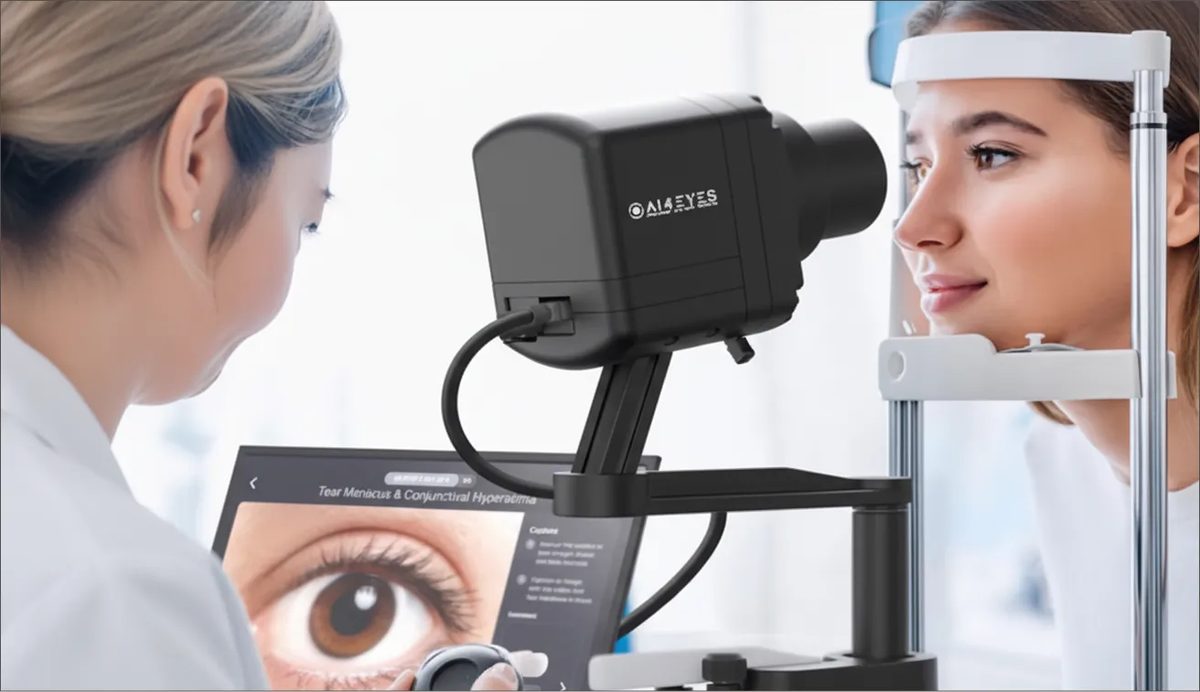
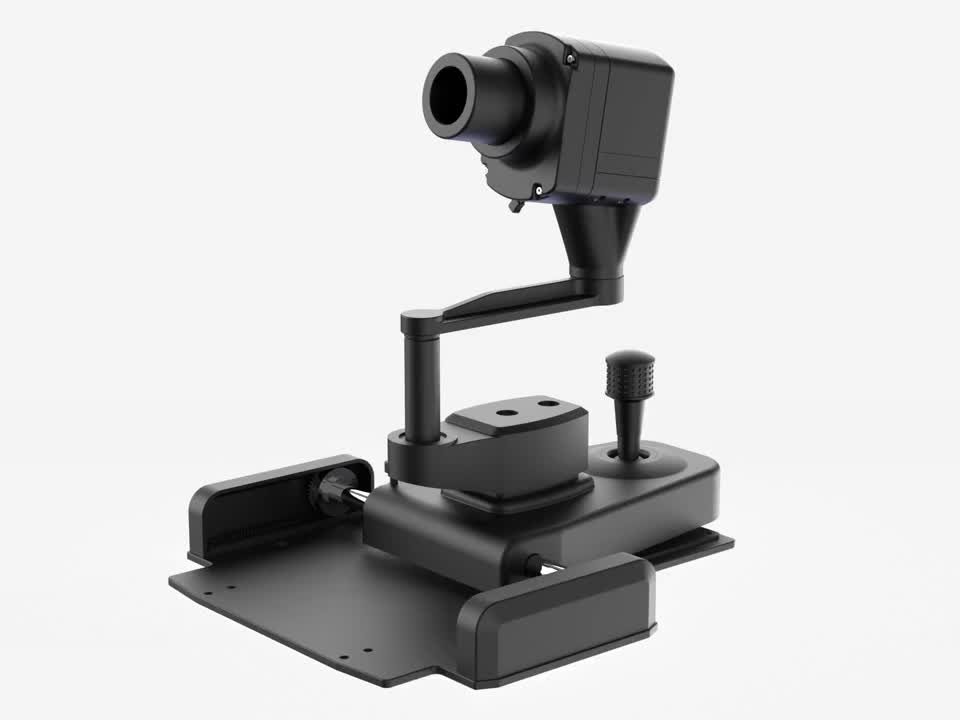
AI4Eyes completed U.S. Food and Drug Administration establishment registration and device listing for its eye care platform on November 11, 2026. The Montréal company can now sell the system in the United States as a Class I device exempt from 510(k) premarket review.

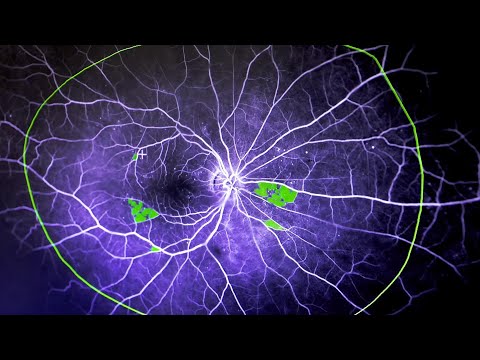
The listing is an administrative step, not an FDA finding on accuracy. It still moves a dry-eye diagnostic out of Quebec hospital pilots and into the world's largest eye care market, where the company says a typical workup takes 40 minutes and three devices.

Why it matters

A five-minute dry-eye scan now has a U.S. sales channel, and a low-bar regulatory route other AI screening tools can follow.

Questions about this story

Free account needed to ask — your question is kept and asked for you right after sign-up. Answers are public.

No questions yet — be the first to ask.

Key Indicators

1
Device listing
Platform listed with FDA as Class I, 510(k)-exempt.
89%
Reported accuracy
Company figure for its dry-eye diagnostic platform.
5 min
Scan time
Company says one scan replaces 10 separate tests.
$9,000/year
Platform cost
Company's figure against $17,000 for a traditional workup.
$6.5M CAD
Capital raised
Internal round plus non-dilutive funding, closed January 2026.

Voices

Curated perspectives — historical figures and your fellow readers.

Sign up to generate historical perspectives on this story.

People Involved

Organizations Involved

Timeline

January 2026 November 2026

3 events Latest: Today
  1. FDA registration and device listing completed

    Today Regulatory

    Company can now commercialize its Class I, 510(k)-exempt platform in the U.S.

  2. Accepted into MEDTEQ+ Avisé with $700,000

    Grant

    One-year project to test the dry-eye platform at a Montréal health authority.

  3. AI4Eyes closes $6.5 million CAD in funding

    Funding

    A $3.7 million CAD internal round plus $2.8 million CAD in non-dilutive funding.

Scenarios

1

AI4Eyes signs its first named U.S. clinic customer

Likely Resolves by Q2 2027

Discussed by: AI4Eyes management statements and company press releases

The company said it plans to accelerate commercial deployment and grow adoption among U.S. eye care professionals. A named customer or distribution partner would show the listing converted into sales rather than remaining a regulatory checkbox.

2

Health Canada issues a licence for the platform

Possible Resolves by End of 2027

Discussed by: AI4Eyes, which said it is pursuing Canadian authorization

The company's home market requires a Health Canada medical device licence. A licence would let it sell in Canada while it builds U.S. sales, and would test whether its regulatory file travels across jurisdictions.

3

FDA requires premarket review for the platform

Unlikely Resolves by End of 2027

Discussed by: No public signal; included as the downside regulatory case

Class I exemption depends on the device staying within its low-risk classification. If FDA decided the platform's diagnostic claims pushed it into a higher class, the company would need a 510(k) or De Novo submission before continuing to market.

Historical Context

2 moments from history that rhyme with this story — and how they unfolded.

April 2018

IDx-DR authorization (2018)

The FDA allowed marketing of IDx-DR, an AI system that reads retinal images and detects diabetic retinopathy without a specialist interpreting them. It was the first authorization of its kind for an autonomous diagnostic AI.

Then

Primary care clinics could screen for diabetic retinopathy without an on-site eye specialist.

Now

It set the premarket review template that later AI diagnostics followed.

Why this matters now

IDx-DR went through FDA premarket review because it makes a diagnostic call. AI4Eyes reached the U.S. market through a listing instead, because its platform is Class I and 510(k)-exempt.

Early 2025

Health Canada machine-learning device guidance (2025)

Health Canada finalized pre-market guidance for medical devices that use machine learning, with risk-based classification and requirements to follow good machine learning practices. The FDA moved in parallel toward lifecycle oversight and predetermined change control plans.

Then

AI device makers faced clearer but more detailed filing expectations in both countries.

Now

Predetermined change control plans let companies update algorithms without a full new submission each time.

Why this matters now

AI4Eyes is pursuing Canadian, European and Asian authorizations next, and those regimes ask more of an adaptive algorithm than a U.S. Class I listing does.

Sources

(7)