

Pull to refresh
Logo
Alexandria receives $1M federal grant for solar-powered emergency shelters

Alexandria receives $1M federal grant for solar-powered emergency shelters

Built World Alexandria, VA local

National Oceanic and Atmospheric Administration (NOAA) funding will add solar and battery backup so cooling and warming shelters can run during power outages.

September 24th, 2026: Alexandria awarded $1M NOAA grant for shelter backup power

Overview

Updated 40 minutes ago

Alexandria has several buildings designated as cooling and warming shelters for extreme weather. Few of them can operate during a power outage. A $1 million federal grant from the National Oceanic and Atmospheric Administration (NOAA) aims to fix that.

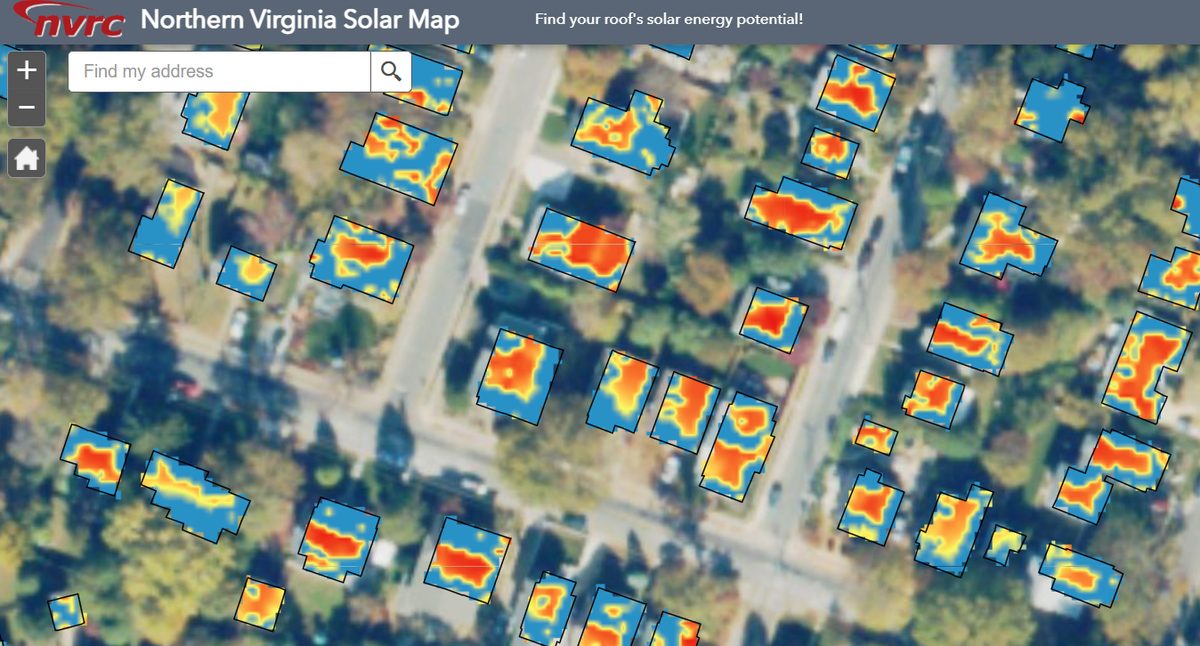
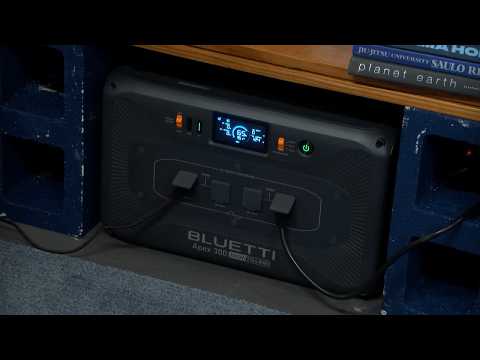
The money will add solar panels and battery storage to one or more city facilities. The goal is to keep heating and cooling running when the grid goes down. The award is an obligation, not spent money — the work hasn't happened yet.

Why it matters

When the power goes out during extreme heat or cold, Alexandria's shelters can't operate. This grant funds backup power so they can.

Monday: what changed in Alexandria, VA

One short email a week with the openings, closings, permits and council votes we covered. Free. Unsubscribe in one click.

Questions about this story

Free account needed to ask — your question is kept and asked for you right after sign-up. Answers are public.

No questions yet — be the first to ask.

Key Indicators

$1M
Federal grant amount
NOAA award to improve electrical resilience at Alexandria emergency shelters.

Voices

Curated perspectives — historical figures and your fellow readers.

Ever wondered what historical figures would say about today's headlines?

Sign up to generate historical perspectives on this story.

Organizations Involved

Timeline

1 event Latest: September 24th, 2026 · 3 weeks ago
  1. Alexandria awarded $1M NOAA grant for shelter backup power

    Latest Funding

    NOAA obligated $1 million to the City of Alexandria to add solar and battery backup to emergency shelters.

Scenarios

1

Alexandria completes solar and battery upgrades at shelters

Likely Resolves by End of 2028

Discussed by: City officials and NOAA grant program staff

The city selects one or more shelter facilities, completes design and procurement, and installs solar panels and battery storage. The project is verified when the city announces the shelters can operate during power outages.

2

Project delayed or scaled back

Possible Resolves by End of 2028

Discussed by: Local observers tracking federal grant execution

Design, permitting, or procurement delays push the project past its original timeline, or the city scales back the number of facilities upgraded. Some grant funds may go unspent.

3

Additional resilience funding follows

Possible Resolves by End of 2029

Discussed by: City staff and regional resilience advocates

The success of this project leads Alexandria to seek and win additional federal or state funding for more shelters or expanded backup power capacity.

Historical Context

3 moments from history that rhyme with this story — and how they unfolded.

August 2005

Hurricane Katrina (2005)

The Louisiana Superdome became a shelter of last resort for thousands during Katrina. Backup generators failed, leaving people without power, water, or working sanitation for days.

Then

Conditions inside the Superdome deteriorated badly; the city was evacuated over subsequent days.

Now

The failure pushed cities nationwide to harden shelter power systems and plan for generator failures.

Why this matters now

Shows what happens when a shelter loses power during a disaster — the exact scenario Alexandria's grant aims to prevent.

February 2021

Texas winter storm Uri (2021)

A deep freeze knocked out power across Texas for days. Warming centers and shelters were overwhelmed, and some lost power themselves.

Then

Hundreds died, many from cold in homes without heat.

Now

The storm exposed how dependent emergency facilities are on a fragile grid and spurred investment in backup power.

Why this matters now

Demonstrates why cooling and warming shelters need independent power sources like solar and batteries.

October 2012

Superstorm Sandy (2012)

Sandy flooded lower Manhattan and knocked out power to hospitals and shelters. Backup generators in basements failed when floodwater submerged them.

Then

NYU Langone Medical Center evacuated patients after generators failed.

Now

New rules required critical facilities to place generators above flood levels and harden power systems.

Why this matters now

Shows that backup power must be designed for the specific hazard — a lesson for Alexandria's solar and battery installations.

Sources

(1)