

Pull to refresh
Logo
DOE commits $1.9 billion to modernize aging US transmission lines

DOE commits $1.9 billion to modernize aging US transmission lines

Built World

Reconductoring and grid-enhancing tech on existing rights-of-way aim to add 23 GW in record time

Today: DOE selects 31 transmission projects

Overview

Updated 1 hour ago

America's transmission grid is aging, and building new power lines can take decades of permitting. On Sept. 24, the Department of Energy chose a faster path: 31 projects that upgrade existing lines, backed by $1.9 billion in federal money.

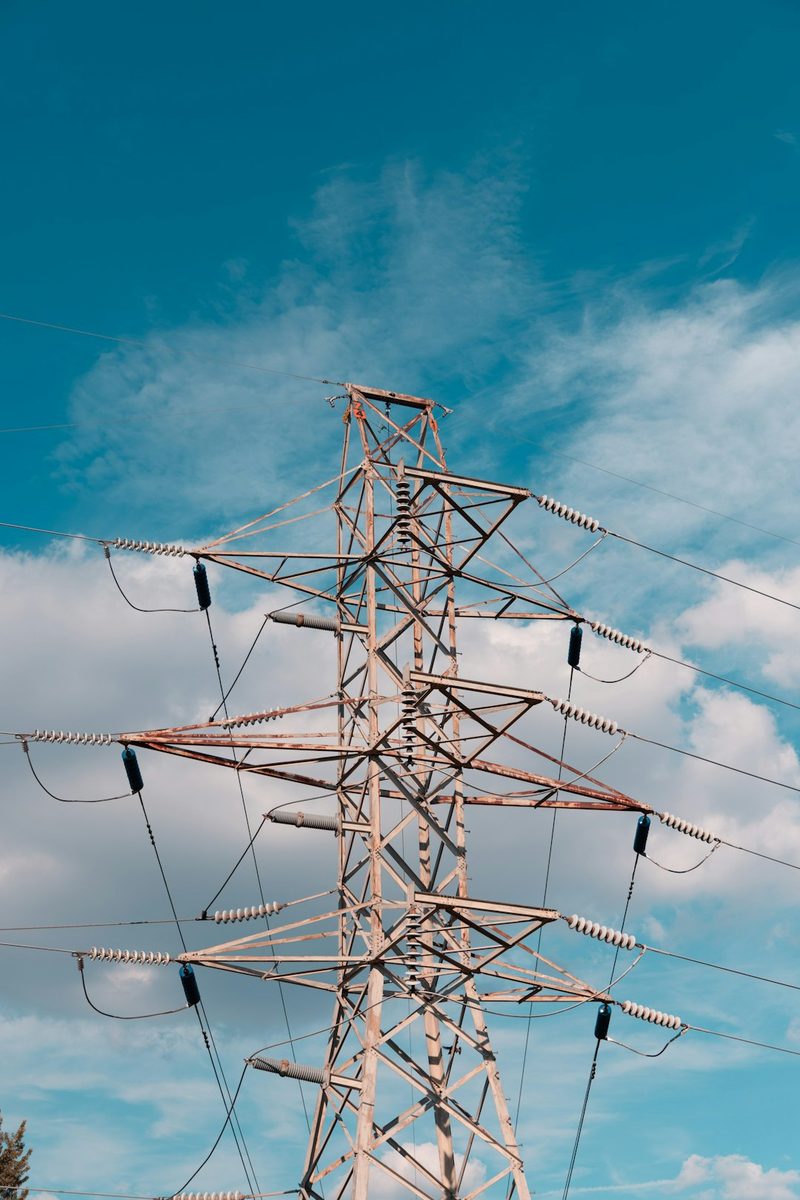
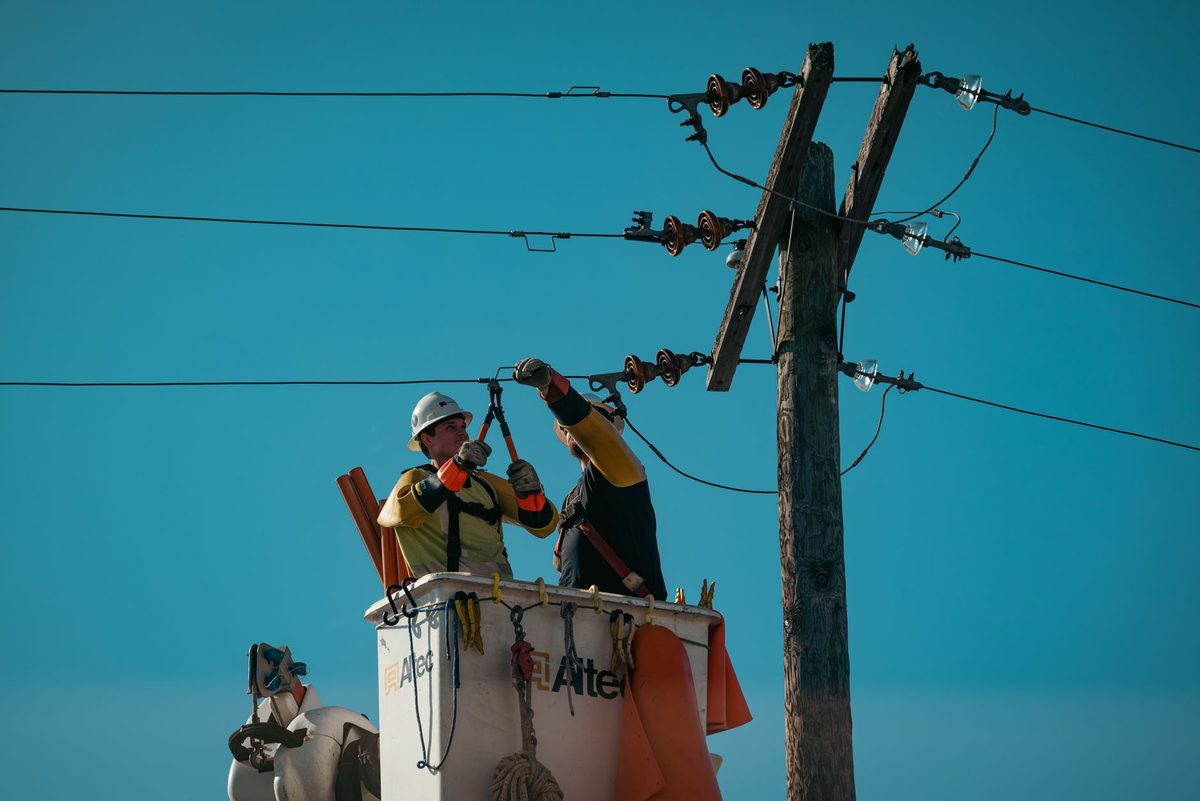
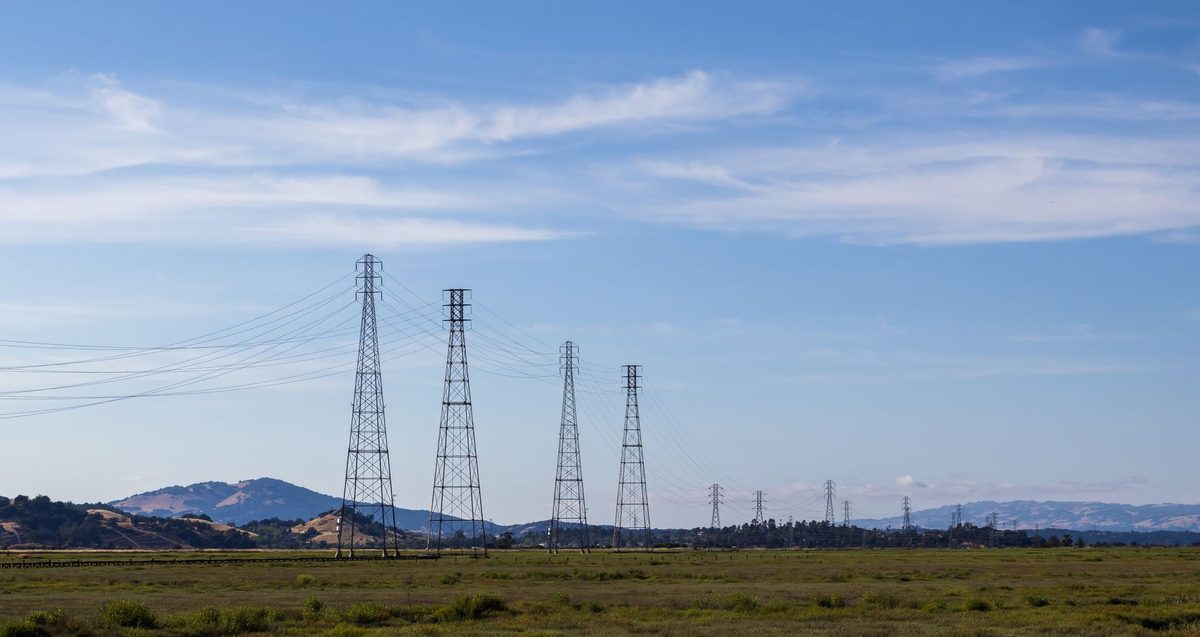
The projects reconductor more than 1,500 miles of transmission, swapping aging steel wires for advanced conductors that carry more electricity through the same towers and rights-of-way. Grid-enhancing technologies will stretch capacity across another 21,000 miles.

Sponsors add roughly $3.4 billion in matching funds, bringing the total to about $5.3 billion. Two of the largest projects target the weak links between the Eastern and Western power grids: a $1.2 billion Colorado effort and Oklahoma's $832 million Three Corners Connection.

Why it matters

These upgrades add 23 GW in years, not the decade-plus new transmission takes, easing the bottleneck stalling AI data centers and electrification.

Questions about this story

Free account needed to ask — your question is kept and asked for you right after sign-up. Answers are public.

No questions yet — be the first to ask.

Key Indicators

$1.9B
Federal funding for SPARK program
From DOE's Office of Electricity, funded through the Infrastructure Investment and Jobs Act.
23 GW
Expected added grid capacity
Combined capacity the 31 selected projects are expected to unlock.
31
Projects selected for funding
Includes utilities like Alabama Power, Duke Energy and PPL Electric.
1,500+ miles
Transmission miles to be reconductored or rebuilt
Work done on existing rights-of-way to avoid greenfield construction.
$5.3B
Total investment with cost share
Federal $1.9 billion plus roughly $3.4 billion from project sponsors.

Voices

Curated perspectives — historical figures and your fellow readers.

Ever wondered what historical figures would say about today's headlines?

Sign up to generate historical perspectives on this story.

People Involved

Organizations Involved

Timeline

March 2026 September 2026

4 events Latest: Today
Tap a bar to jump to that date
  1. DOE selects 31 transmission projects

    Today Selection

    DOE announces $1.9 billion for 31 projects expected to add 23 GW, reconductor 1,500+ miles, and deploy grid-enhancing tech across 21,000 miles.

  2. Full SPARK applications due

    Deadline

    Applicants submit complete proposals for the advanced transmission funding.

  3. Concept papers due for applicants

    Deadline

    Potential applicants must submit concept papers to remain eligible for full applications.

  4. DOE opens $1.9B SPARK solicitation

    Solicitation

    The Office of Electricity issues the SPARK funding opportunity under the GRIP program, seeking reconductoring and advanced transmission technology projects.

Scenarios

1

DOE finalizes SPARK awards; most projects begin work

Likely Resolves by Q2 2027

Discussed by: DOE award-timeline statements; Utility Dive and trade coverage

The department said it plans to finalize grant agreements between October 2026 and January 2027. If that timeline holds, most of the 31 selected utilities can start engineering and procurement in 2027. Reconductoring work on existing rights-of-way typically takes two to four years to complete.

2

Eastern-Western interconnection link projects break ground

Possible Resolves by Q2 2028

Discussed by: DOE project summaries; Utility Dive and Colorado/Oklahoma coverage

The $1.2 billion Colorado project and Oklahoma's $832 million Three Corners Connection aim to expand the thin links between the Eastern and Western interconnections, which currently exchange limited power. Both are multi-jurisdictional and face the most regulatory complexity of any selections. Groundbreaking on both would give the two big grids meaningful new transfer capacity.

3

GRIP's remaining funds seed a second SPARK round

Possible Resolves by End of 2027

Discussed by: The $10.5 billion GRIP authorization; trade analysis of the five-year program

GRIP was authorized at up to $10.5 billion over five years, and SPARK's $1.9 billion is one slice of it. If the first selection wins political support, DOE could open a second SPARK round or expand the program, pushing more reconductoring and grid-enhancing technology spending before the authorization window closes.

Historical Context

3 moments from history that rhyme with this story — and how they unfolded.

August 2003

Northeast Blackout (2003)

On Aug. 14, 2003, a sagging Ohio transmission line tripped, and a cascade of failures blacked out 55 million people across the Northeast and Midwest within minutes. Lights stayed off for up to two days, costing billions of dollars.

Then

Congress responded with the Energy Policy Act of 2005, creating mandatory reliability standards enforced by the Federal Energy Regulatory Commission.

Now

The blackout remains the clearest demonstration that a quietly underbuilt, aging grid can fail suddenly and at continental scale.

Why this matters now

The resilience failures that drove the 2005 reliability regime are the same ones SPARK's upgrades are meant to head off, which is why the federal government is paying directly.

2011-2018

Plains & Eastern Clean Line (2011-2018)

Clean Line Energy proposed a 720-mile high-voltage direct-current line carrying Oklahoma wind power east. The route crossed multiple states, Arkansas fought the siting, and the Department of Energy withdrew federal eminent domain approval in 2018. The project was abandoned.

Then

The abandoned line proved how a single state can kill a greenfield corridor after years of sunk cost and delay.

Now

It hardened the view that new rights-of-way can take a decade or more, cementing the case for upgrading existing corridors.

Why this matters now

SPARK is the federal answer: put money into reconductoring existing lines instead of fighting decade-long siting battles.

1950s-1970s

Postwar transmission buildout (1950s-1970s)

Much of the US high-voltage network was erected in the postwar decades to serve suburban growth and heavy industry. Those lines now average well over four decades old, and most carry current at a fraction of what modern conductors allow.

Then

The buildout created the rights-of-way and tower structures still in use today.

Now

Aging, underbuilt corridors now sit at the center of congestion bottlenecks between regions.

Why this matters now

Reconductoring retrofits that same steel and land to near-modern spec, which is the entire premise of DOE's approach.

Sources

(8)