
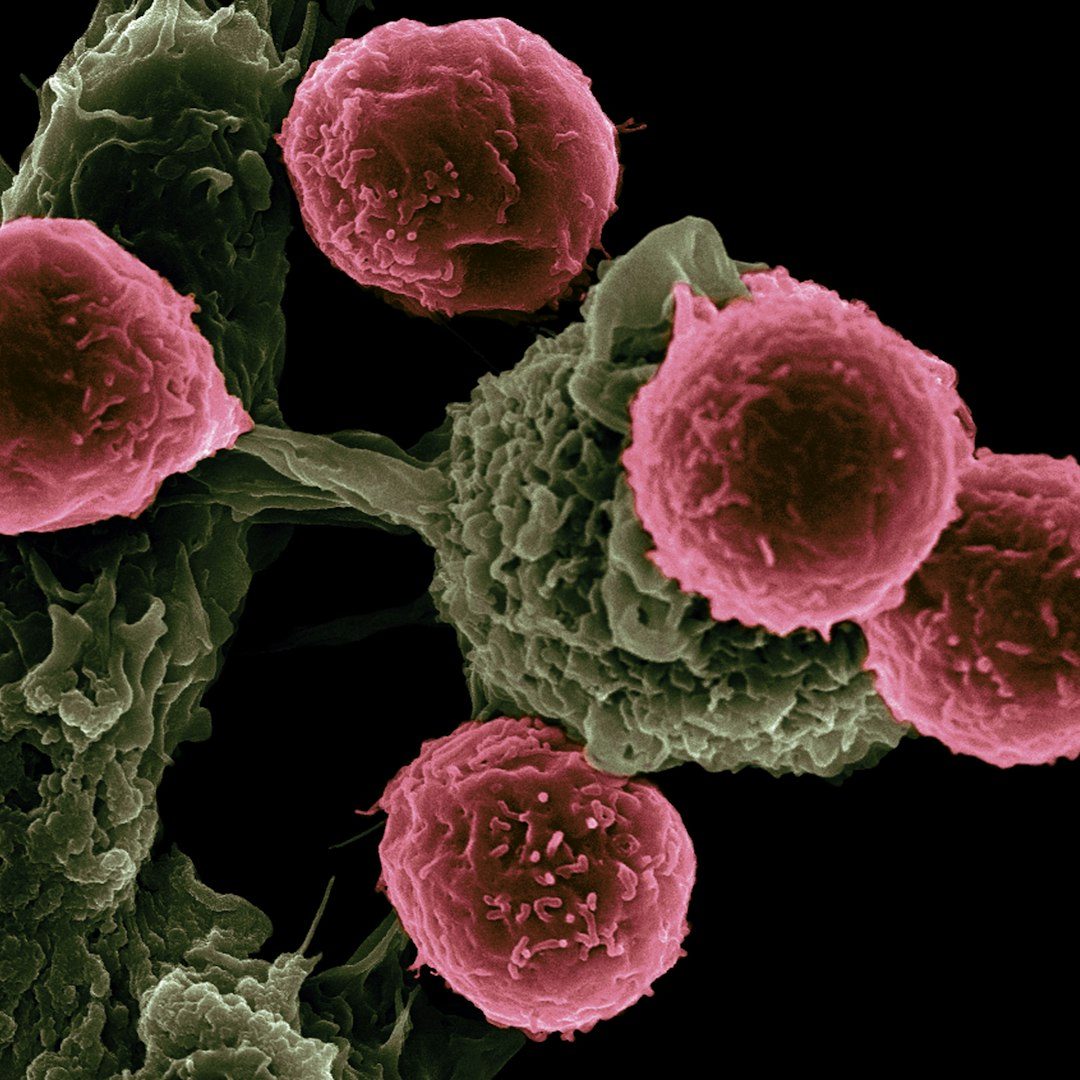
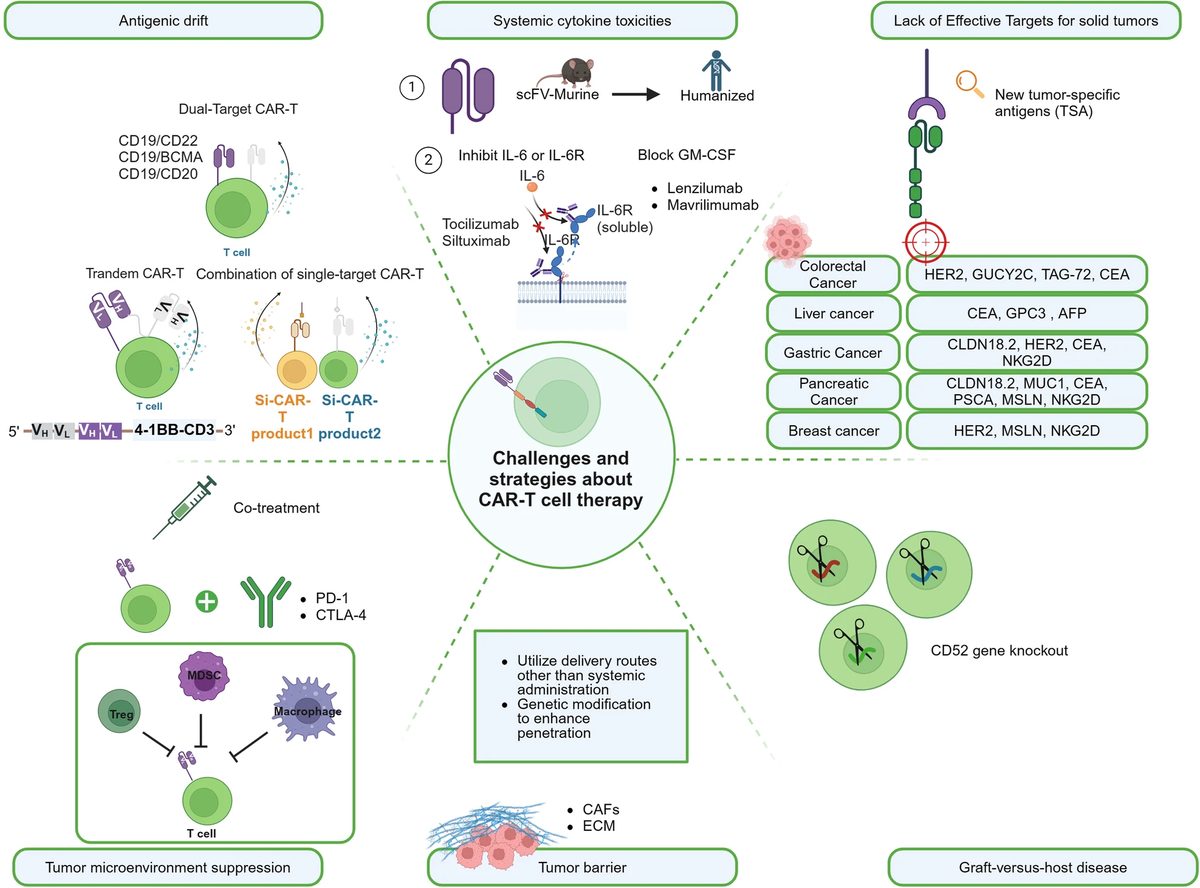
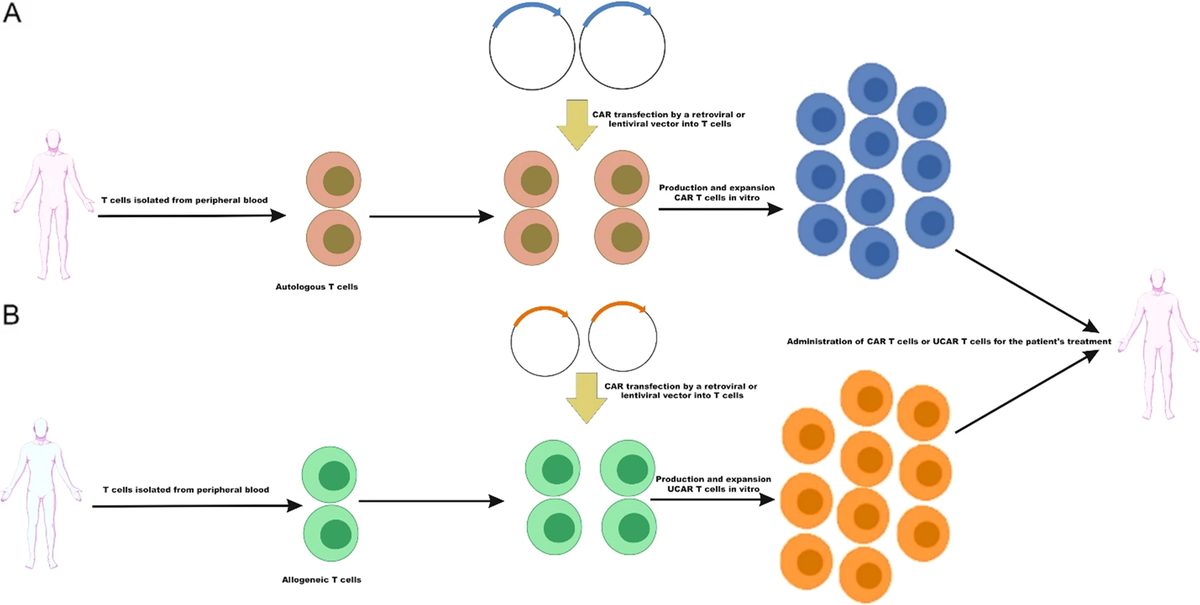
Every approved cancer cell therapy on the market today requires the same costly bottleneck: extracting a patient's own immune cells, engineering them in a lab over weeks, and infusing them back — a process that costs over $400,000 and leaves some patients waiting so long their cancer outpaces the manufacturing. On March 31, 2026, the Food and Drug Administration (FDA) granted accelerated regulatory status to CB-011, the first donor-derived cell therapy engineered to hide from a patient's immune system, after it produced a 92% response rate in a Phase 1 trial for multiple myeloma — a blood cancer that kills roughly 12,000 Americans each year.
The designation marks a turning point in a decade-long effort to create "off-the-shelf" cancer cell therapies that can be mass-produced from healthy donor cells and given to any patient on demand, the way a conventional drug works. If CB-011's immune-cloaking approach holds up in larger trials, it could dismantle the manufacturing and cost barriers that currently limit these powerful treatments to a fraction of the patients who need them.