
Pull to refresh
Logo
Congress sends ACT for ALS reauthorization to president

Congress sends ACT for ALS reauthorization to president

Rule Changes

Senate's final unanimous vote extends ALS research and expanded access programs through 2031

Yesterday: Senate gives final approval

Overview

Updated 2 hours ago

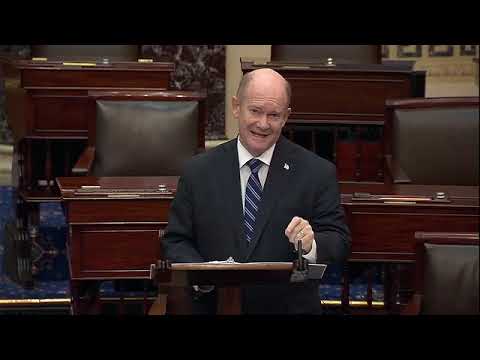
Congress finished work on the ACT for ALS Reauthorization Act on September 28, when the Senate gave final approval and sent the bill to the president. The vote came two days before the 2021 law was set to expire on September 30.

The law funds ALS research infrastructure, natural history studies, and a pathway for patients who can't join clinical trials to access investigational therapies. Reauthorization extends these programs through fiscal year 2031 and adds new oversight and reporting requirements.

Why it matters

ALS patients keep access to experimental treatments and the research infrastructure supporting them through 2031.

Questions about this story

Free account needed to ask — your question is kept and asked for you right after sign-up. Answers are public.

No questions yet — be the first to ask.

Key Indicators

2031
Program extension through
Reauthorization funds ACT for ALS programs through fiscal year 2031.
20,100+
Petition signatures
I AM ALS collected more than 20,100 signatures in four days urging reauthorization.
15
ALS United member organizations
The national partnership spans 15 nonprofits serving about one in three Americans with ALS.
Sept 30
Expiration deadline
The original authorization was set to expire September 30, 2026, two days after final Senate passage.

Voices

Curated perspectives — historical figures and your fellow readers.

Ever wondered what historical figures would say about today's headlines?

Sign up to generate historical perspectives on this story.

People Involved

Organizations Involved

Timeline

December 2021 September 2026

5 events Latest: Yesterday
Tap a bar to jump to that date
  1. Senate gives final approval

    Latest Legislation

    Senate unanimously approves H.R. 8205, completing congressional action and sending the bill to the president.

  2. I AM ALS delivers 20,100-signature petition

    Advocacy

    Petition urges Congress to reauthorize ACT for ALS before the September 30 expiration.

  3. Senate passes its version

    Legislation

    Senate approves S. 4472 during the week of August 3, led by Sens. Murkowski and Coons.

  4. House passes reauthorization bill

    Legislation

    House approves H.R. 8205, led by Reps. Quigley and Calvert, reauthorizing ACT for ALS through 2031.

  5. Original ACT for ALS signed into law

    Legislation

    President Biden signs the 2021 ACT for ALS, creating expanded access and research programs at the FDA and NIH.

Scenarios

1

President signs ACT for ALS reauthorization into law

Likely Resolves by Oct 14, 2026

Discussed by: ALS Network, ALS United, I AM ALS

The president signs H.R. 8205 within days, extending ACT for ALS programs through fiscal year 2031. Funding continues without interruption. Expanded access programs keep running, and ALL ALS Consortium natural history and biomarker studies proceed. New oversight and reporting requirements take effect.

2

Signature delayed, brief program wind-down begins

Unlikely Resolves by Oct 31, 2026

Discussed by: Congressional staff observers

If signature is delayed past September 30 or administrative issues arise, agencies begin winding down programs funded under the expiring authorization. Once the new law takes effect, programs restart, but research timelines face disruption and patients relying on expanded access could see gaps in coverage.

3

President declines to sign, programs lapse

Unlikely Resolves by Nov 15, 2026

Discussed by: Not anticipated by any major ALS advocacy organization

The president vetoes the bill or allows it to lapse without signature. Programs expire September 30 and the 2021 law's infrastructure winds down. A new legislative effort would be needed to restore the programs. Given unanimous Senate support and bipartisan House backing, this outcome is highly unlikely.

Historical Context

3 moments from history that rhyme with this story — and how they unfolded.

January 1983

Orphan Drug Act (1983)

President Reagan signed the Orphan Drug Act in January 1983, creating tax credits, research grants, and seven years of market exclusivity for drugs treating diseases affecting fewer than 200,000 Americans.

Then

Drug development for rare diseases increased sharply; hundreds of orphan drugs reached the market in the following decades.

Now

The law established the model of federal incentives for rare disease drug development that ACT for ALS builds on.

Why this matters now

ACT for ALS extends this rare disease policy tradition, using targeted federal programs to address a disease too small for commercial drug development alone.

May 2018

Right to Try Act (2018)

Congress passed and President Trump signed the Right to Try Act in May 2018, allowing terminally ill patients to access investigational drugs not yet approved by the Food and Drug Administration, outside clinical trials.

Then

The law created a federal pathway parallel to the FDA's expanded access program, which had existed since the 1980s.

Now

Right to Try established political consensus that terminally ill patients should have earlier access to experimental treatments.

Why this matters now

ACT for ALS expanded on this concept with a disease-specific expanded access pathway. Reauthorization preserves that access for ALS patients.

December 2021

Original ACT for ALS (2021)

Congress passed the original ACT for ALS unanimously in December 2021, and President Biden signed it into law days before Christmas. The law created grant programs at the FDA and NIH to accelerate ALS therapy development and expand access to investigational drugs.

Then

The FDA's expanded access program and NIH research infrastructure grants began operating in 2022, funding natural history studies and the ALL ALS Consortium.

Now

The programs built a coordinated ALS research ecosystem that the 2026 reauthorization preserves for another five years.

Why this matters now

The 2021 law created the programs now being extended. Understanding its origin shows what the reauthorization protects.

Sources

(8)