

Pull to refresh
Logo
Custom RNA drug improves rare ALS in first personalized case

Custom RNA drug improves rare ALS in first personalized case

New Capabilities

A physician with a CHCHD10 mutation received a drug tailored to his own gene variant and saw his ALS biomarker normalize within a year

2 days ago: Results published

Overview

Updated 2 hours ago

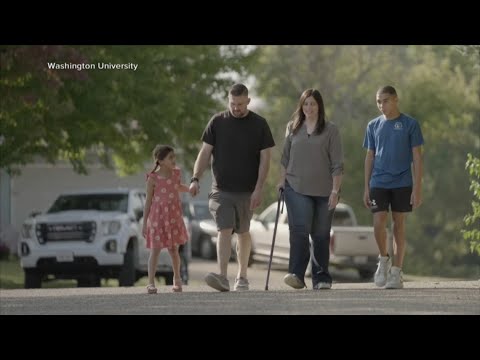
A physician with rare inherited ALS received a drug built around his own gene mutation, the first therapy designed for this genetic form of the disease. A year after his first dose, his neuron-damage biomarker fell into the normal range and he kept practicing medicine.

The case, published in Med, shows a drug can go from a patient's mutation to first dose in three years. That raises the prospect of custom treatments for diseases too rare for traditional drug development.

Why it matters

A drug built around one patient's mutation slowed his ALS, showing custom RNA therapies could reach people with genetic diseases too rare for traditional trials.

Questions about this story

Free account needed to ask — your question is kept and asked for you right after sign-up. Answers are public.

No questions yet — be the first to ask.

Key Indicators

~50%
Plasma neurofilament light reduction
Neuron-damage biomarker dropped from a mildly elevated baseline into the normal reference range.
33 to 36
ALSFRS-R score improvement
Motor function, breathing, and neurological function test rose by three points.
48% to 55%
Vital capacity change
Breathing capacity rose seven percentage points of predicted value.
3 years
Development timeline
From mutation identification to first dose, versus a decade or more for earlier antisense therapies.

Voices

Curated perspectives — historical figures and your fellow readers.

Ever wondered what historical figures would say about today's headlines?

Sign up to generate historical perspectives on this story.

People Involved

Organizations Involved

Timeline

April 2024 September 2026

3 events Latest: 2 days ago
  1. Results published

    Latest Publication

    Study reports biomarker normalization and stable or improved clinical measures.

  2. Treatment course completes

    Clinical

    Sixth and final dose administered; 12-month follow-up phase begins.

  3. Treatment begins

    Clinical

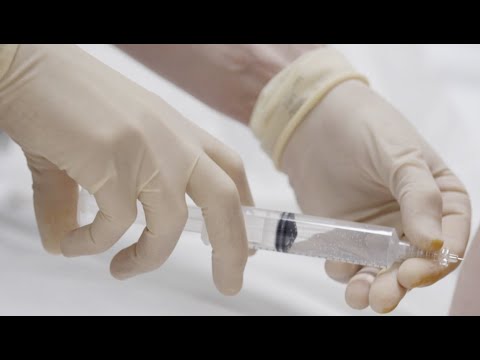
    First of six intrathecal doses of nL-CHCHD-001 delivered into the spine.

Scenarios

1

CHCHD10 therapy expands to a small trial

Likely Resolves by End of 2028

Discussed by: Björn Oskarrson and the Med study authors

The drug is already built and shown safe in one person. Enrolling additional patients with CHCHD10 mutations would test whether the benefit extends beyond this individual. n-Lorem has the platform to supply the drug; the open question is patient recruitment, since the mutation is ultra-rare.

2

N-of-1 platform reaches other rare ALS mutations

Possible Resolves by End of 2029

Discussed by: Fleur Garton in comments to Nature

Garton said the approach could work for people with common, rare, or even unique ALS mutations. If the three-year development pipeline becomes standard, other groups could replicate it for different genes. Success depends on the platform's cost, speed, and regulatory acceptance across institutions.

3

Two-to-three-year follow-up shows durable benefit

Uncertain Resolves by Q3 2029

Discussed by: Steve Vucic in comments to Nature

Vucic said it is too early to know whether the treatment can stop progression or cure. The participant needs another two to three years of monitoring, along with tests in more patients. If his clinical measures remain stable or improve at that mark, the drug's benefit would look durable rather than temporary.

Historical Context

3 moments from history that rhyme with this story — and how they unfolded.

December 2016

Nusinersen transforms spinal muscular atrophy (2016)

The FDA approved nusinersen (Spinraza), the first antisense oligonucleotide for a motor neuron disease, for spinal muscular atrophy. SMA was the leading genetic cause of infant death at the time.

Then

SMA shifted from supportive care to disease-modifying therapy with improved survival and motor milestones.

Now

The drug proved intrathecal ASOs can reach motor neurons, setting up later treatments.

Why this matters now

Nusinersen showed ASOs work for motor neuron diseases at scale. The CHCHD10 case extends that principle to a single rare mutation.

November 2017 – February 2018

Milasen: first N-of-1 RNA drug (2017)

Boston Children's Hospital built a custom antisense oligonucleotide for six-year-old Mila Makovec, who had a fatal Batten disease mutation. The drug was designed and delivered in under a year.

Then

Mila's neurological decline slowed temporarily before the disease ultimately proved fatal.

Now

The case established the blueprint for patient-specific ASO development.

Why this matters now

The CHCHD10 case uses the same model with a slower disease, giving the therapy more time to show benefit.

April 2023

Tofersen approval for SOD1-ALS (2023)

The FDA granted accelerated approval to tofersen, an antisense oligonucleotide for ALS caused by SOD1 mutations, which account for about 2% of cases. It was the first gene-targeted therapy for ALS.

Then

Patients with SOD1-ALS gained the first treatment aimed at their disease's cause.

Now

It validated ASOs as a therapeutic platform for ALS and set a precedent for mutation-specific drugs.

Why this matters now

Tofersen required enough patients for a conventional trial; the CHCHD10 case is the same chemistry tailored to a mutation affecting one person.

Sources

(3)