



Pull to refresh
Logo
Anthropic launches Claude Opus 5.5 at 40% lower cost than Opus 5

Anthropic launches Claude Opus 5.5 at 40% lower cost than Opus 5

New Capabilities

Model matches Fable 5.1 on most work; rivals face pricing pressure

Yesterday: Anthropic launches Claude Opus 5.5

Overview

Updated 1 hour ago

Anthropic released Claude Opus 5.5 on Tuesday, matching its most expensive flagship, Fable 5.1, on most tasks while costing 40% less to run than Opus 5. It is the first model in a new 5.5 family, arriving two months after Opus 5 shipped.

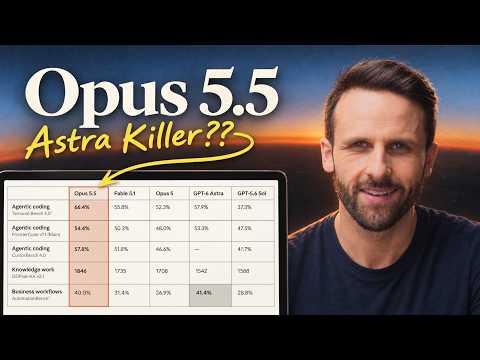
The pricing hits rivals directly. Opus 5.5 beat OpenAI's GPT-5.6 Sol by 11 points on a software development benchmark while costing about a third as much per task, and it produces output 30% faster than Opus 5. Independent tracker Artificial Analysis put the model at the top of its intelligence index.

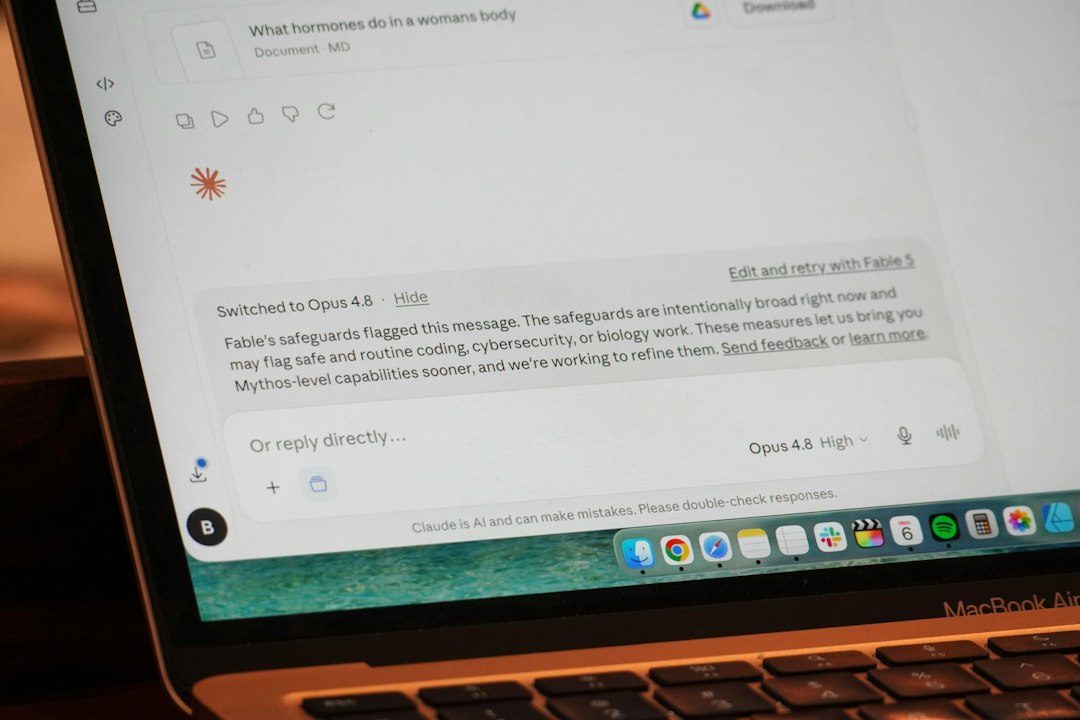
Anthropic says it is also its safest model yet, with external testing by Frontier Design and METR before launch. It is the first Opus model to ship with safeguards previously reserved for Fable 5.1, re-routing most cybersecurity requests to the weaker Opus 4.8.

Why it matters

Anthropic cut the cost of frontier AI code work by 40%; rivals must answer with price cuts or lose agentic workloads.

Questions about this story

Free account needed to ask — your question is kept and asked for you right after sign-up. Answers are public.

No questions yet — be the first to ask.

Key Indicators

40%
Overall cost reduction vs Opus 5 on typical workloads
Combines 20% lower token prices with fewer tokens used per task.
$4 / $20
Input / output token price per million
Down from $5 / $25 for Opus 5, matching Fable-level performance at half of Fable's price.
$0.20
Cache read price per million tokens
Down from $0.50 for Opus 5; cache reads make up most of agentic coding costs.
30%
Faster output generation vs Opus 5
Anthropic's stated throughput improvement at default settings.
66.4%
Terminal-Bench 4.0 agentic coding score
Leads all listed models, ahead of GPT-6 Astra at 57.9% and Opus 5 at 52.3%.

Voices

Curated perspectives — historical figures and your fellow readers.

Ever wondered what historical figures would say about today's headlines?

Sign up to generate historical perspectives on this story.

People Involved

Organizations Involved

Timeline

July 2026 September 2026

3 events Latest: Yesterday
  1. Anthropic launches Claude Opus 5.5

    Latest Product launch

    Model matches Fable 5.1 on most work at 40% lower running cost, with Fable-class safety safeguards and 30% faster output.

  2. Amodei calls for pacing frontier AI

    Statement

    The CEO argues AI progress should be paced so safety practices stay ahead of model capabilities.

  3. Anthropic releases Claude Opus 5

    Product launch

    Opus 5 ships at $5 and $25 per million input and output tokens, setting the price Opus 5.5 will undercut.

Scenarios

1

Opus 5.5 becomes the default frontier workhorse

Likely Resolves by Q2 2027

Discussed by: Anthropic, Artificial Analysis, The New Stack

If real-world use matches the benchmarks, developers shift agentic coding and long-horizon projects from Fable 5.1 and rival models to 5.5. Anthropic's own tests show a HAProxy C-to-Rust rewrite finishing 51% cheaper than Fable 5.1. The main check on adoption is whether businesses accept the safety re-routing for cyber-adjacent tasks.

2

Rivals cut flagship prices to match

Possible Resolves by Q2 2027

Discussed by: The New Stack, The Next Web

OpenAI and Google face pressure to lower prices on GPT-6 Astra and their Gemini flagship, or reposition them upmarket. History supports this: DeepSeek-R1's January 2025 launch forced US labs to cut API prices within weeks. A rival price cut would confirm Anthropic's pricing reset the market.

3

Safety re-routing creates customer friction

Possible Resolves by Q2 2027

Discussed by: The New Stack

Opus 5.5 re-routes most cybersecurity tasks to the weaker Opus 4.8, with a fallback model handling the request transparently. Developers running security-adjacent workloads may find their calls downgraded and results weaker. If that shows up in enterprise evaluations, adoption could lag the benchmark wins.

Historical Context

2 moments from history that rhyme with this story — and how they unfolded.

May 2024

OpenAI's GPT-4o (May 2024)

OpenAI released GPT-4o, offering GPT-4-class intelligence at half the API price and double the speed. It shipped eight months after GPT-4 and quickly became the default model for developers.

Then

Developers migrated en masse; OpenAI later cut cache-read rates to match demand.

Now

Established the pattern of mid-generation efficiency drops resetting model pricing.

Why this matters now

Opus 5.5 repeats the move: Fable-level capability at 40% lower running cost, two months after Opus 5.

January 2025

DeepSeek-R1 (January 2025)

Chinese lab DeepSeek released R1, an open-weight reasoning model that matched OpenAI's o1 on math and coding at a fraction of the cost. Its launch triggered a global tech selloff and forced US labs to cut API prices within weeks.

Then

US labs slashed token prices to defend market share.

Now

Proved price-performance, not raw capability, decides who captures agentic workloads.

Why this matters now

Opus 5.5 extends the price-performance war DeepSeek started, this time from an American lab.

Sources

(8)