
Pull to refresh
Logo
1,200-year-old mummified hairless dog found at Peru's Wari site

1,200-year-old mummified hairless dog found at Peru's Wari site

New Capabilities

First physical evidence of the Peruvian Hairless Dog in the pre-Inca Wari Empire, buried with people at Castillo de Huarmey

Yesterday: Discovery reported with radiocarbon dating details

Overview

Updated 1 hour ago

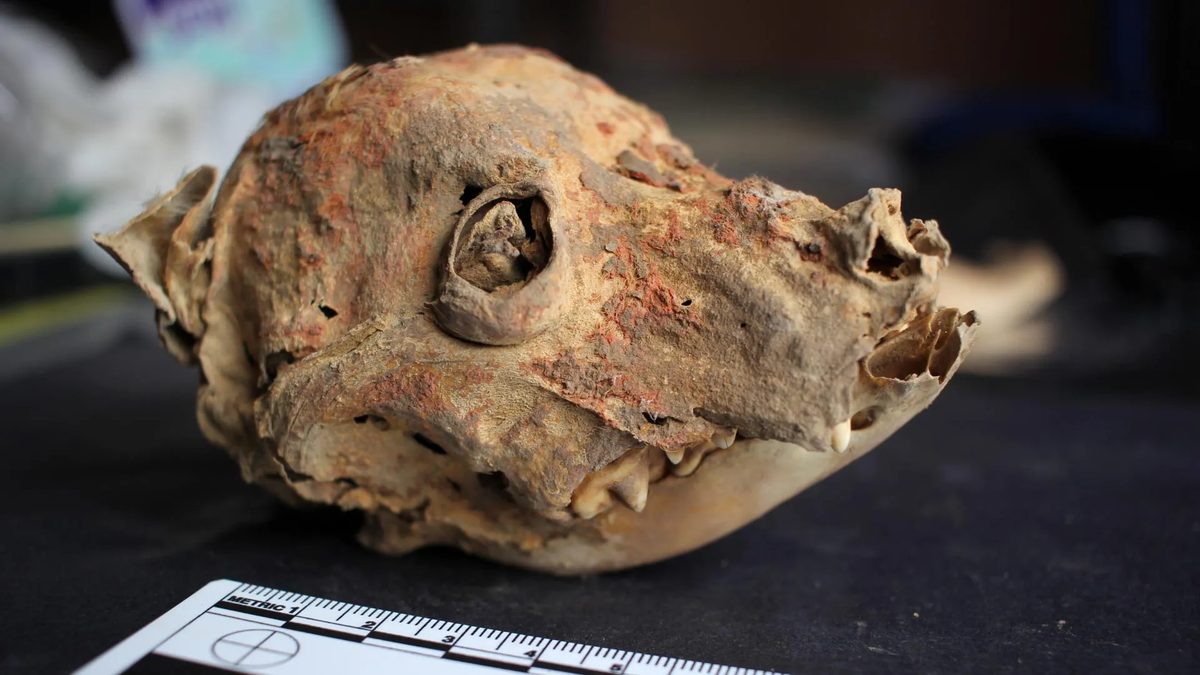
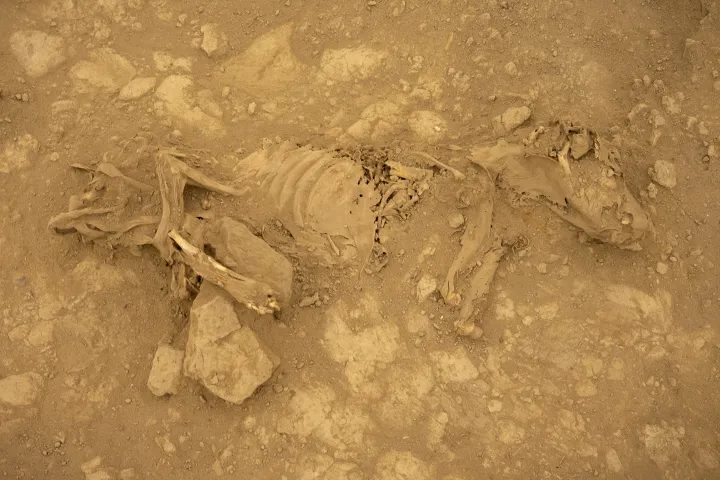
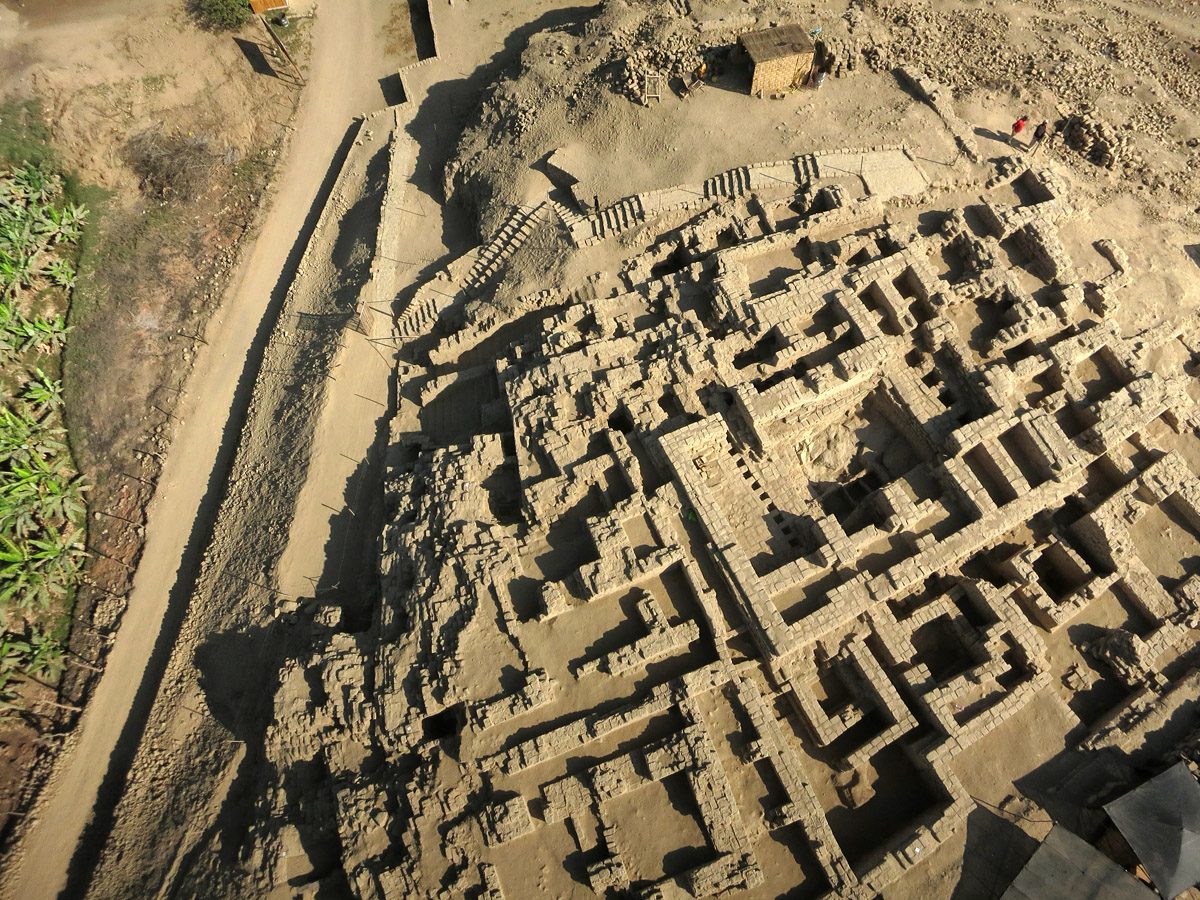
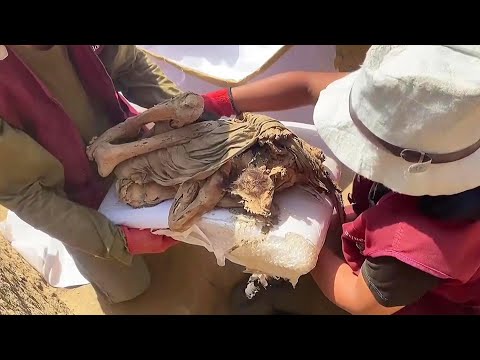
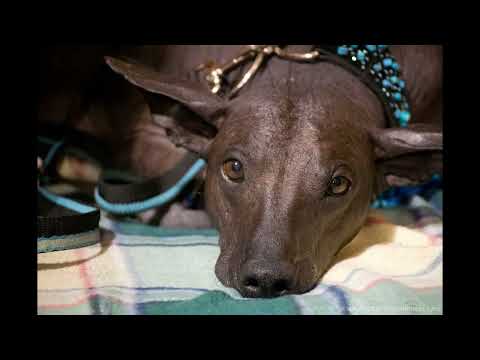
Inside a coastal burial complex north of Lima, archaeologists found a naturally mummified hairless dog — the first physical evidence that Peru's iconic bald breed lived in the Wari Empire centuries before the Inca. Radiocarbon dating puts the dog at least 1,200 years old, the oldest dated object yet recovered from Castillo de Huarmey.

The find shows ancient Peruvians bred, fed, and buried these dogs beside people, sometimes in elite graves. Puppies of the hairless breed ate food resembling human children's diets, a hint of organized breeding that predates the Inca by about 400 years.

Why it matters

The find dates Peru's iconic hairless dogs to 400 years before the Inca, showing Andean people bred and buried them alongside humans.

Questions about this story

Free account needed to ask — your question is kept and asked for you right after sign-up. Answers are public.

No questions yet — be the first to ask.

Key Indicators

341
Dog bone specimens recovered
Recovered from Castillo de Huarmey, forming the core of the study's assemblage.
19
Minimum number of individual dogs
Estimated from the 341 bone specimens found at the site.
3
Peruvian Hairless Dogs identified
Identified through congenital tooth and skeletal traits linked to the FOXI3 hairlessness gene.
1,200+ years
Minimum radiocarbon age of the mummified dog
The oldest radiocarbon date yet obtained from Castillo de Huarmey, refining the site's chronology.

Voices

Curated perspectives — historical figures and your fellow readers.

Ever wondered what historical figures would say about today's headlines?

Sign up to generate historical perspectives on this story.

People Involved

Organizations Involved

Timeline

1970 October 2026

4 events Latest: Yesterday
Tap a bar to jump to that date
  1. Discovery reported with radiocarbon dating details

    Latest Research

    ScienceDaily publishes a report on the discovery, including the 1,200-year radiocarbon date for the mummified dog, the oldest yet from Castillo de Huarmey.

  2. Study identifies Peruvian Hairless Dogs at Wari site

    Research

    Research in the Journal of Anthropological Archaeology identifies three Peruvian Hairless Dogs and analyzes their diets, teeth, and burial contexts.

  3. Excavations recover hundreds of dog bones

    Excavation

    Polish, Peruvian, and American archaeologists excavating Castillo de Huarmey recovered 341 dog bone specimens from at least 19 dogs.

  4. Earthquake exposes Wari burial chambers

    Event

    A 1970 earthquake collapsed part of Castillo de Huarmey, exposing burial chambers and leading to looting that intermixed upper layers of the site.

Scenarios

1

DNA study links ancient Peruvian Hairless Dog to Mesoamerican Xoloitzcuintli

Possible Resolves by End of 2028

Discussed by: The Andina news agency, which noted the discovery supports hypotheses of a connection between the two hairless breeds.

If researchers extract ancient DNA from the Castillo de Huarmey dog remains, they could test whether the Peruvian Hairless Dog and the Xoloitzcuintli share ancestry. Such a link would suggest hairless dogs were traded or moved across pre-Columbian Americas. A peer-reviewed genetic study would settle the question.

2

More hairless dog remains surface at other Wari sites

Likely Resolves by End of 2030

Discussed by: Researchers, who note this is the first such finding at a Wari site and that others may exist.

Continued excavation of Wari-era sites along the Peruvian coast could uncover additional hairless dog remains. More finds would confirm the breed was widely kept, not confined to one ceremonial center. The study's authors have framed the Castillo de Huarmey finding as an opening, not a conclusion.

3

Isotope analysis confirms organized Wari dog breeding

Possible Resolves by End of 2029

Discussed by: Weronika Tomczyk, based on the distinct child-like diets of hairless puppies.

If additional isotopic studies confirm hairless puppies ate maize diets resembling those of human children, it would support the idea that the Wari deliberately bred hairless dogs rather than letting them scavenge. The current study found adult hairless dogs showed more variable diets, leaving room for follow-up analysis.

Historical Context

3 moments from history that rhyme with this story — and how they unfolded.

Before 1519

Xoloitzcuintli in Mesoamerica (Pre-Columbian)

The hairless Xoloitzcuintli was central to Mesoamerican cultures. The Aztec and Maya buried the dogs with the dead, believing they guided souls across a river into the underworld, a role known as a psychopomp.

Then

Dogs were buried alongside people in graves across Mexico and Central America, often with food offerings.

Now

The belief shaped the breed's cultural standing, and the Xoloitzcuintli remains recognized as a national treasure in Mexico.

Why this matters now

The proposed Wari role for hairless dogs — guiding the dead into the afterlife — mirrors the Xoloitzcuintli's psychopomp function, and researchers suspect a possible genetic link between the breeds.

1st–8th century CE

Old Lord of Sipán dog sculptures (1st–8th century CE)

At the Moche burial site of the Old Lord of Sipán in northern Peru, archaeologists found ceramic sculptures depicting hairless dogs. The Moche dominated northern Peru from about 100 to 800 CE, overlapping with the Wari.

Then

The sculptures suggested hairless dogs participated in sacred Moche rituals.

Now

The imagery strengthened the view that hairless dogs held ritual significance across pre-Inca Peruvian cultures.

Why this matters now

The Sipán sculptures hinted at hairless dogs in pre-Inca ritual but lacked physical remains — the Castillo de Huarmey find provides the first actual bones.

c. 12,000 BCE

Earliest dog burials with humans (c. 14,000 years ago)

At early hunter-gatherer sites in the Levant and Eurasia, people buried dogs alongside humans, sometimes with the same care given to family members. One famous example is the Bonn-Oberkassel dog burial in Germany, dated to roughly 14,000 years ago.

Then

These burials are among the earliest evidence of the human-dog bond, predating agriculture.

Now

The practice of burying dogs with people persisted for millennia, appearing in complex societies worldwide.

Why this matters now

The Wari dog burials echo a much older pattern of burying dogs with people, showing the practice survived into the era of early empires.

Sources

(8)