


February–March 2002
Larsen B ice shelf collapse (2002)
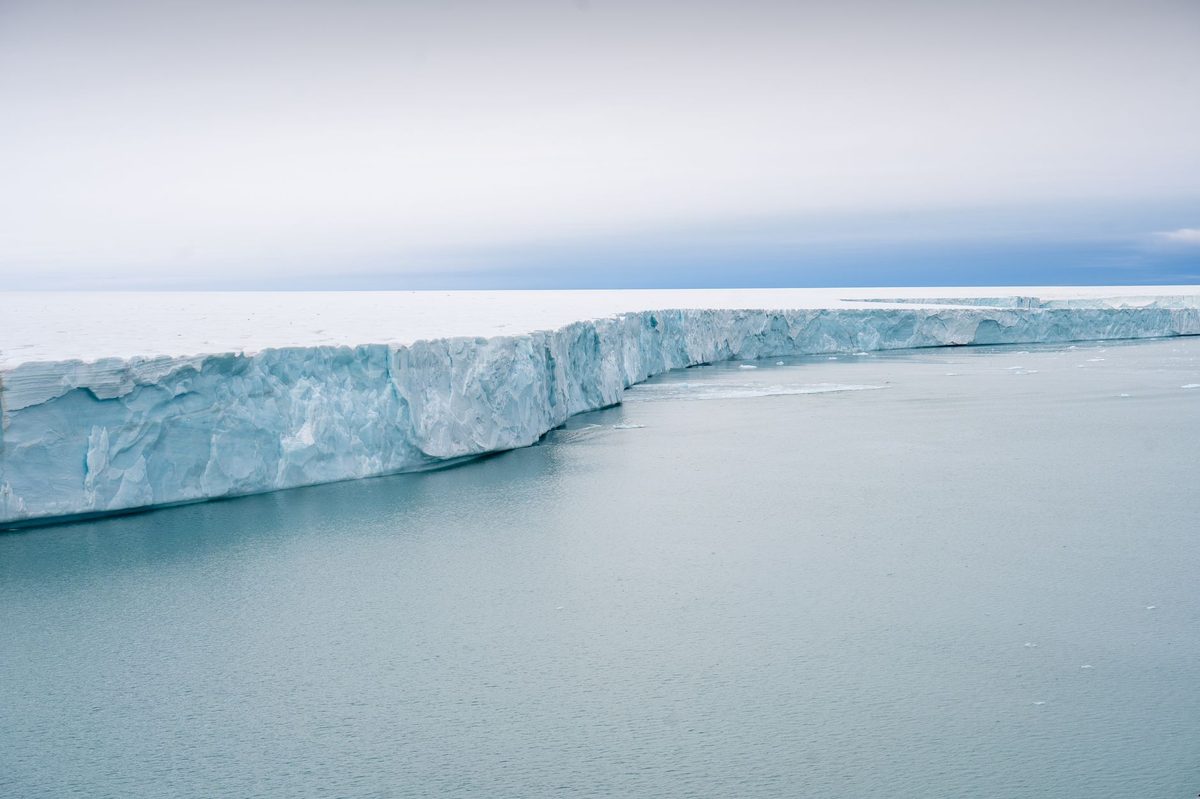
About 3,250 square kilometers of the Larsen B ice shelf on the Antarctic Peninsula shattered into icebergs within roughly a month, ending 35 years of gradual retreat.
Then
Glaciers that had been held back by the shelf accelerated two to six times after it disappeared.
Now
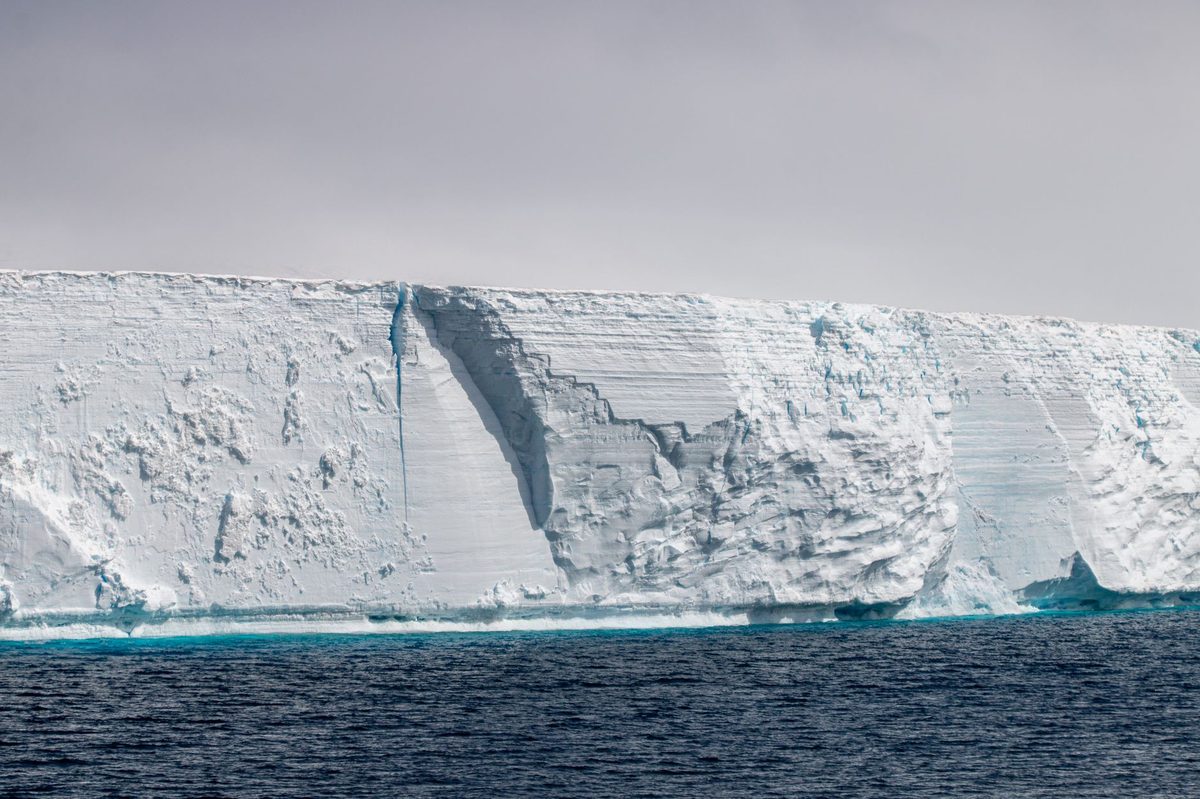
The collapse showed how quickly Antarctica can lose ice and helped seed the concern that exposed cliffs could retreat in cascades.
Why this matters now
The new study directly tests that concern: it found cliffs do fall fast, but the retreat stops rather than cascading across the ice sheet.