

Pull to refresh
Logo
Trial finds no benefit from prone positioning or high-frequency ventilation in pediatric ARDS

Trial finds no benefit from prone positioning or high-frequency ventilation in pediatric ARDS

New Capabilities

A 424-patient international trial tested two decades-old ICU practices at once and found neither beat standard care

Overview

Updated 2 hours ago

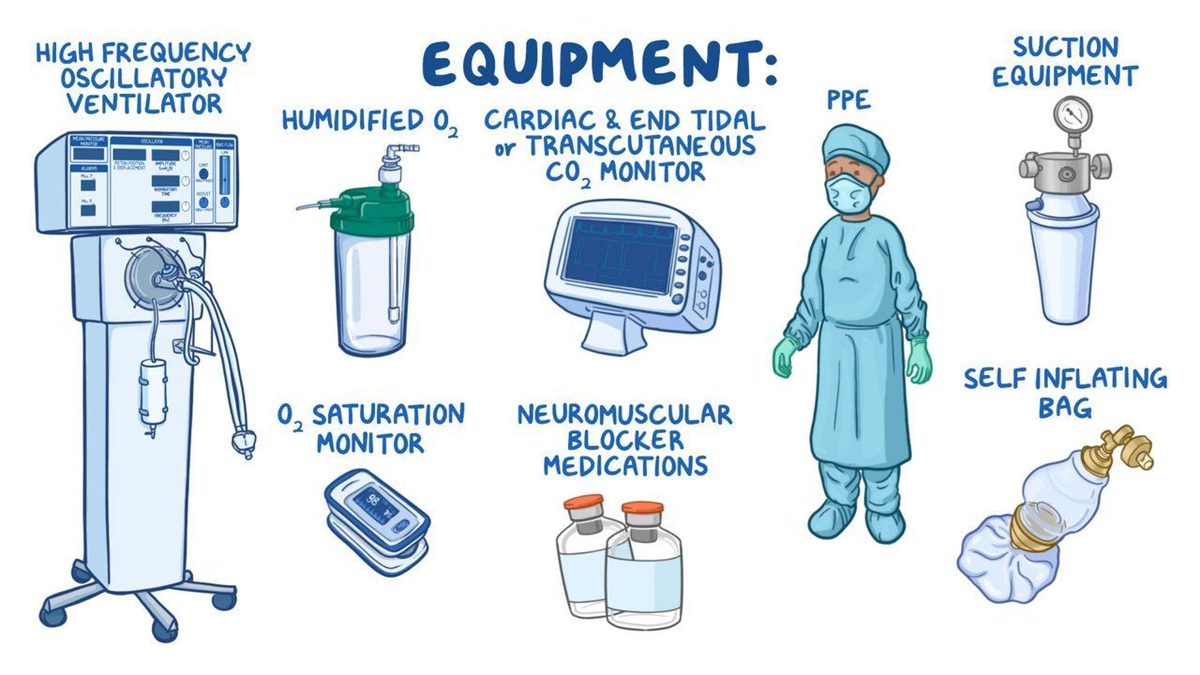
For more than 30 years, pediatric intensive care doctors have argued over whether turning a desperately ill child face-down, or ventilating them with hundreds of tiny rapid breaths per minute, helps more than standard care. A 424-patient international trial published in The Lancet found neither did.

The trial, called PROSpect, ran a two-by-two design across 75 pediatric intensive care units in 18 countries. It stopped early for futility and slow enrolment, and both interventions produced ventilator-free day counts statistically indistinguishable from conventional care.

Why it matters

Two of the most debated first-line therapies in pediatric critical care now lack supporting evidence, pushing clinicians toward rescue use and better-targeted trials.

Questions about this story

Free account needed to ask — your question is kept and asked for you right after sign-up. Answers are public.

No questions yet — be the first to ask.

Key Indicators

424
Patients enrolled
Out of 600 planned, before the trial stopped early.
75
Pediatric intensive care units
Participating sites across 18 countries.
0.0 days
Adjusted difference in ventilator-free days, prone vs supine
95% confidence interval ran from 0.8 days fewer to 1.0 day more.
10%
Day-28 mortality
41 deaths, with no difference between treatment groups.
4.8×
Higher rate of artificial airway blockage with prone positioning
Rate ratio 4.83, 95% confidence interval 1.38 to 16.82.

Voices

Curated perspectives — historical figures and your fellow readers.

Sign up to generate historical perspectives on this story.

People Involved

Organizations Involved

Timeline

2015 October 2026

5 events Latest: 2 days ago
Tap a bar to jump to that date
  1. The Lancet publishes PROSpect and a companion commentary

    Latest Publication

    The trial reports no difference in ventilator-free days for either intervention, and more airway blockages with prone positioning.

  2. Children's Hospital of Philadelphia announces the result

    Announcement

    The lead investigator says the findings give the field a level of evidence it previously lacked.

  3. Enrolment closes early at 424 of 600 planned

    Trial

    The trial stops for futility and slow enrolment after seven years.

  4. PROSpect begins enrolling

    Trial launch

    Sites in 18 countries start randomizing children with early, moderate-to-severe pediatric ARDS.

  5. Pediatric ARDS guidance notes the evidence gap

    Guideline

    The Pediatric Acute Lung Injury Consensus Conference published pediatric-specific ARDS recommendations and found insufficient evidence to favor prone positioning or high-frequency oscillatory ventilation.

Scenarios

1

Guidelines demote prone positioning and HFOV to rescue use

Likely Resolves by End of 2028

Discussed by: The Lancet commentary and the trial authors, who call for de-implementation as first-line therapy

A pediatric critical care society updates its ARDS recommendations to say neither intervention should be used routinely up front, while leaving room for them after conventional measures fail. This is the outcome the trial's own interpretation points toward.

2

No guideline change, and practice stays split

Possible Resolves by End of 2028

Discussed by: Critics of the trial's early stop and its unblinded design, raised in the Lancet commentary and in French coverage of the result

Societies decline to issue new recommendations, citing the early termination, the inability to mask clinicians, and unresolved questions about rescue use. Individual units keep deciding case by case, as they did before the trial.

3

A narrower trial follows, targeting a defined PARDS subgroup

Possible Resolves by Q2 2029

Discussed by: Martha Curley, who said the result opens the door to precision-based therapies

Researchers conclude the average effect was null but some children may still benefit, and register a new trial testing prone positioning or HFOV in a restricted subgroup, such as patients with severe hypoxemia or a specific lung-injury pattern.

Historical Context

3 moments from history that rhyme with this story — and how they unfolded.

2013

PROSEVA trial of prone positioning in adults (2013)

A French-led trial randomized 466 adults with severe acute respiratory distress syndrome to lie face-down for long stretches or stay on their backs. Prone positioning nearly halved 28-day mortality.

Then

Prone positioning moved into adult ARDS guidelines for the most severe cases.

Now

It became the standard example of a cheap physical intervention that saves lives in adults, which made the pediatric question harder to leave open.

Why this matters now

The same maneuver that worked in adults produced no measurable benefit in children, a gap PROSpect was built to test rather than assume away.

2013

OSCAR and OSCILLATE trials of high-frequency oscillatory ventilation (2013)

Two large adult trials reported the same year on high-frequency oscillatory ventilation. OSCILLATE was stopped early after more deaths in the oscillation arm; OSCAR found no significant survival benefit.

Then

Adult intensive care units pulled back from routine oscillatory ventilation.

Now

The therapy survived mainly as a rescue option, and the adult experience set expectations for pediatric testing.

Why this matters now

PROSpect repeats the pattern in children: a therapy that looked physiologically promising did not improve outcomes when tested at scale.

2015

Pediatric Acute Lung Injury Consensus Conference (2015)

A consensus panel published pediatric-specific definitions for acute respiratory distress syndrome and recommendations for management. It found insufficient evidence to recommend for or against prone positioning or high-frequency oscillatory ventilation.

Then

Practice varied widely between pediatric intensive care units.

Now

The gap stayed open for a decade, until a trial large enough to answer it could be finished.

Why this matters now

PROSpect was designed to fill exactly the evidence hole the 2015 panel identified.

Sources

(5)