
Pull to refresh
Logo
$10 million gift to University of Texas at Austin medical school funds research and care access

$10 million gift to University of Texas at Austin medical school funds research and care access

Money Moves Austin, TX local

The donation to Dell Medical School lands during a larger push to build an academic medical center in Austin.

Overview

Updated 2 hours ago

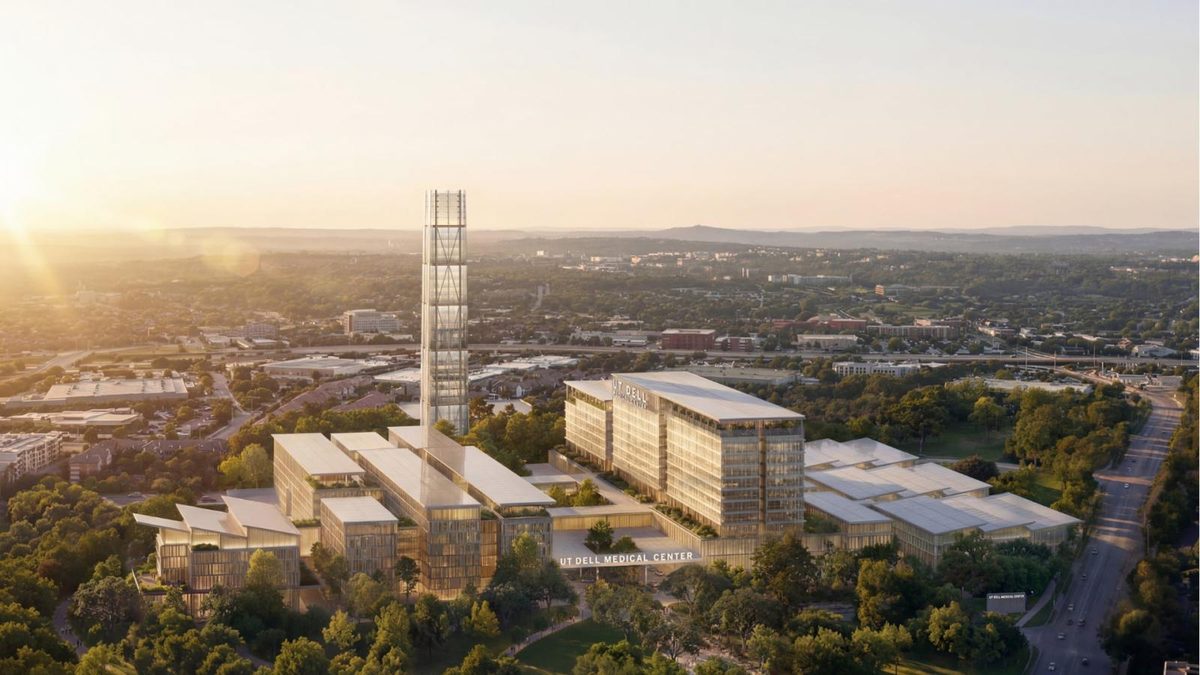
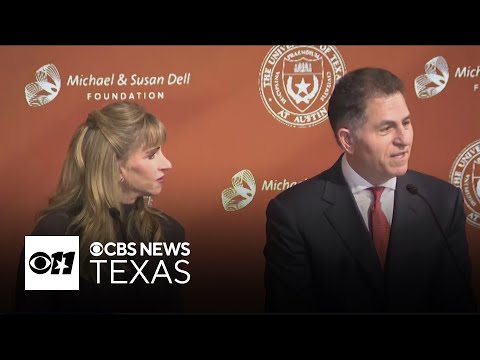
Two longtime University of Texas at Austin (UT Austin) supporters gave $10 million to Dell Medical School to fund health research and expand care in Central Texas. The gift, reported by KXAN on Nov. 13, 2026, comes as UT Austin builds toward a new academic medical center in Northwest Austin.

Austin has been the largest U.S. city without a comprehensive academic medical center, according to university officials. The planned UT Dell Medical Center is scheduled to open in 2030 with 300 to 500 beds and integrated MD Anderson cancer care.

Why it matters

The gift adds private money to Austin's bid for a full academic medical center, which could change where Central Texas patients receive complex care.

Last Monday's email for Austin, TX

Sent Nov 9. It carried:

Get next Monday's: one short email a week. Free. Unsubscribe in one click.

Questions about this story

Free account needed to ask — your question is kept and asked for you right after sign-up. Answers are public.

No questions yet — be the first to ask.

Key Indicators

$10M
Donation to Dell Medical School
Gift announced by KXAN on Nov. 13, 2026.
$1B
Dells' lifetime giving to UT Austin
Michael and Susan Dell became UT Austin's first $1 billion donors in April 2026.
2030
Planned opening of UT Dell Medical Center
The hospital is part of the UT Dell Campus for Advanced Research.
300-500
Planned hospital beds
Details of the medical center's size are not final.

Voices

Curated perspectives — historical figures and your fellow readers.

Sign up to generate historical perspectives on this story.

People Involved

Organizations Involved

Timeline

April 2026 November 2026

2 events Latest: Yesterday
  1. $10 million gift boosts Dell Medical School

    Latest Philanthropy

    Two longtime UT supporters donate $10 million for research and care access.

  2. Dells pledge $750 million for UT Austin medical campus

    Philanthropy

    Michael and Susan Dell become UT Austin's first $1 billion donors.

Scenarios

1

Dell Medical School announces a named research fund from the $10 million gift

Possible Resolves by End of 2027

Discussed by: University officials and KXAN reporting

If the gift follows UT's pattern for major donations, it would be tied to a specific research program or endowed fund. An announcement could come in a UT News release or regents meeting.

2

Gift expands a Central Texas care access program

Possible Resolves by Q2 2028

Discussed by: KXAN reporting

The donation was described as expanding access to medical care in Central Texas. That could mean a new clinic, patient navigation program, or subsidized care pathway.

3

UT Dell Medical Center construction begins on schedule

Likely Resolves by Q2 2027

Discussed by: Texas Tribune and UT officials

The April 2026 plan said construction would begin later that year and open in 2030. The $10 million gift does not fund the hospital itself, but it adds to the fundraising momentum behind the campus.

Historical Context

2 moments from history that rhyme with this story — and how they unfolded.

1873

Johns Hopkins bequest (1873)

Baltimore merchant Johns Hopkins left $7 million at his death to establish a university, hospital, and medical school. The hospital opened in 1889 and the school in 1893.

Then

The bequest created one of the first U.S. research universities and a model for academic medicine.

Now

Johns Hopkins became a template for tying medical training to research and hospital care.

Why this matters now

The Dell gift follows the same basic mechanism: private wealth anchoring a city's medical research and care institutions.

1945

Texas Medical Center (1945)

Houston civic and medical leaders created the Texas Medical Center, bringing hospitals and research institutions into one district. It grew into the largest medical complex in the world.

Then

Houston became a global hub for cancer care and medical research.

Now

The cluster attracted federal research money, physicians, and patients from across Texas.

Why this matters now

Austin's new Dell campus aims to build a smaller version of that cluster, with MD Anderson cancer care integrated from the start.

Sources

(3)