

Pull to refresh
Logo
Austin approves water plant upgrade to replace hazardous disinfection chemicals

Austin approves water plant upgrade to replace hazardous disinfection chemicals

Built World Austin, TX local

The 1969-era Ullrich plant will generate bleach on site under an $89.7M contract with MGC Contractors

Yesterday: Council approves $89.7M conversion contract

Overview

Updated 1 hour ago

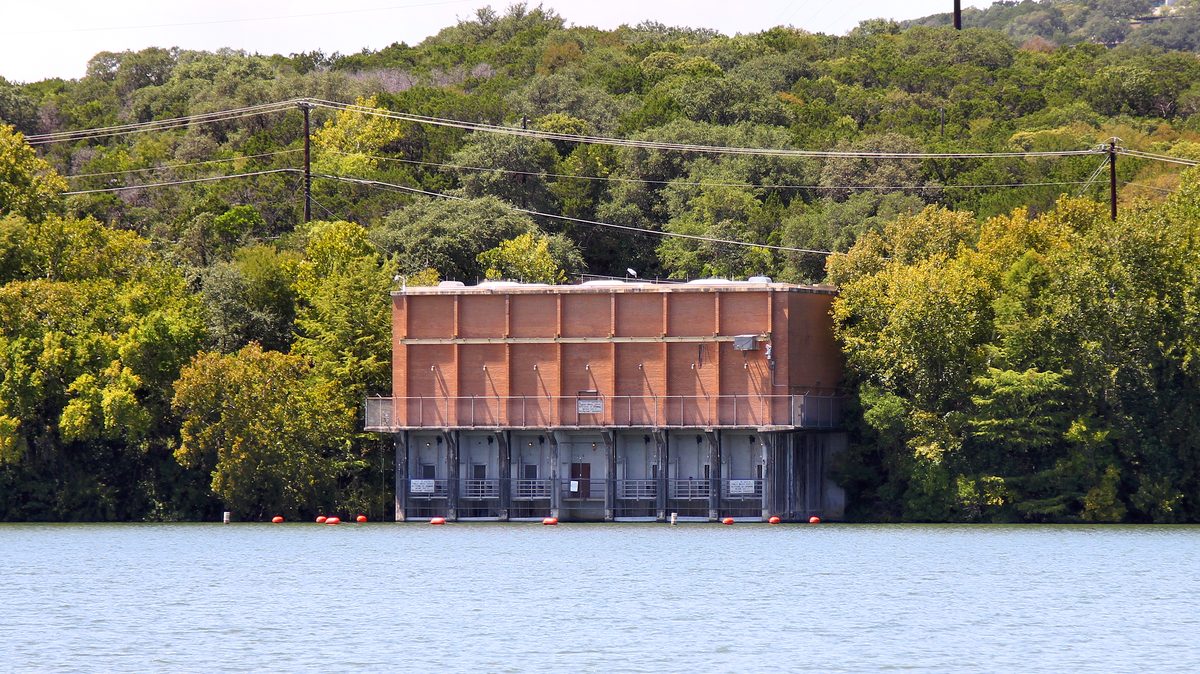
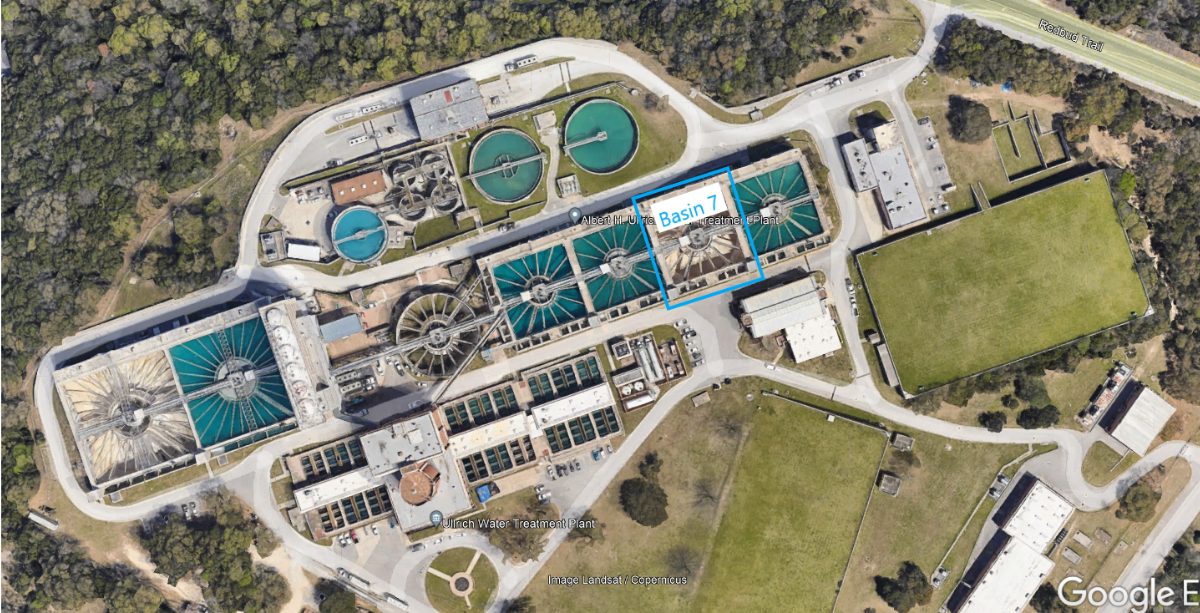
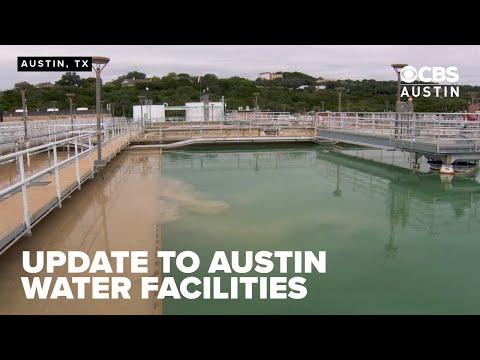
The Ullrich Water Treatment Plant has disinfected Austin's drinking water with gaseous chlorine and anhydrous ammonia since 1969. Thursday, the city council approved up to $89.7 million to replace those hazardous chemicals.

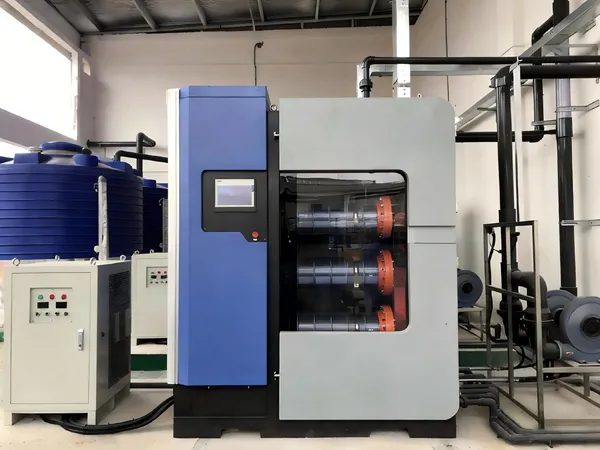
The plant will generate its own sodium hypochlorite, the same chemical as household bleach, by running salt and water through electrolysis. Pressurized ammonia gas becomes liquid ammonium sulfate, stored in non-hazardous form instead of as a pressurized gas. MGC Contractors has 840 days to finish, and the plant keeps running throughout.

Why it matters

Chlorine gas accidents can kill people miles from the release; this conversion removes that hazard from a plant supplying much of Austin.

Monday: what changed in Austin, TX

One short email a week with the openings, closings, permits and council votes we covered. Free. Unsubscribe in one click.

Questions about this story

Free account needed to ask — your question is kept and asked for you right after sign-up. Answers are public.

No questions yet — be the first to ask.

Key Indicators

$89.7M
Maximum authorized contract value
Base contract of $81.6M plus $8.2M contingency for the Ullrich conversion.
840 days
Time to complete conversion
Contract gives MGC Contractors 840 days to finish the disinfection switch.
0.8%
Strength of bleach generated on site
Electrolysis produces a 0.8% sodium hypochlorite solution, the same chemical as household bleach.
57 years
Plant age
Ullrich has operated since 1969; the conversion modernizes its original disinfection system.

Voices

Curated perspectives — historical figures and your fellow readers.

Ever wondered what historical figures would say about today's headlines?

Sign up to generate historical perspectives on this story.

Organizations Involved

Timeline

1969 October 2026

4 events Latest: Yesterday
Tap a bar to jump to that date
  1. Council approves $89.7M conversion contract

    Latest Approval

    City Council approves up to $89.7M contract with MGC Contractors for the Ullrich conversion.

  2. City notes capital projects exceeded assumptions

    Status Report

    City record says Austin Water capital projects, including Ullrich, exceeded original assumptions.

  3. City floats Ullrich disinfection conversion

    Proposal

    City capital list proposed an on-site bleach conversion at Ullrich, with construction planned for 2022-2025.

  4. Ullrich plant commissioned

    Milestone

    Ullrich Water Treatment Plant commissioned, using gaseous chlorine and anhydrous ammonia.

Scenarios

1

Ullrich plant completes disinfection conversion within budget

Possible Resolves by End of 2029

Discussed by: The council contract and Austin Water's capital budget, which already funds the full $89.7M maximum, set the expectation of completion within the 840-day window.

MGC Contractors finishes the conversion within the 840-day window and stays under the $89.7M ceiling. Crews demolish the gaseous chlorine and anhydrous ammonia infrastructure while the plant continues operating, then commission the on-site sodium hypochlorite generation system. Austin Water closes the project with no supplemental council action.

2

Cost overruns or delays force additional council action

Possible Resolves by End of 2029

Discussed by: Austin Water's April 2026 capital project records; the contract's $8.2M contingency signals expected risk.

Field conditions or contractor delivery issues push the project past its 840-day window or its $89.7M ceiling. An April 2026 city record already noted Austin Water capital projects, including work tied to Ullrich, progressed beyond original assumptions because of changed field conditions and delivery constraints. The council returns to approve a budget supplement or timeline extension.

3

Regional utilities accelerate chlorine-gas phaseouts

Possible Resolves by Oct 22, 2028

Discussed by: Industry coverage of Columbus, Ohio and Tarrant Regional Water District conversions; Texas Water Development Board funding announcements.

Austin's conversion joins a broader push. Columbus, Ohio switched its Dublin Road plant in 2008 and its largest plant in 2023. Tarrant Regional Water District has outlined similar plans to replace chlorine gas with sodium hypochlorite. With the Texas Water Development Board distributing $2.7B in statewide water infrastructure funds, more Texas cities announce chlorine-gas-to-hypochlorite conversions.

Historical Context

3 moments from history that rhyme with this story — and how they unfolded.

January 2005

Graniteville, South Carolina chlorine release (2005)

On January 6, 2005, a Norfolk Southern freight train derailed in Graniteville, South Carolina, rupturing a tank car carrying 90 tons of chlorine gas. The gas killed 9 people and sent hundreds to hospitals within hours.

Then

More than 5,400 residents were evacuated; the town's economy and local businesses suffered for years.

Now

The disaster pushed regulators and industries to reduce bulk chlorine gas storage and transport, and accelerated utility conversions to safer disinfection methods.

Why this matters now

Graniteville shows the catastrophic consequence of chlorine gas in bulk near population centers, the exact hazard Austin is removing from the Ullrich plant.

2008

Columbus, Ohio Dublin Road Water Plant conversion (2008)

In 2008, the City of Columbus switched its Dublin Road Water Plant from chlorine gas to sodium hypochlorite, becoming an early adopter of the same on-site bleach conversion Austin is now undertaking.

Then

The conversion eliminated bulk chlorine storage at the plant and maintained disinfection capacity through the transition.

Now

Columbus later converted its larger Hap Cremean plant in 2023, establishing a template other cities, now including Austin, have followed.

Why this matters now

The Dublin Road conversion is the direct precedent: the same technology switch, with a track record of success, that Austin's $89.7M project mirrors.

December 1984

Bhopal disaster (1984)

On December 3, 1984, a water leak at a Union Carbide pesticide plant in Bhopal, India, released 40 tons of methyl isocyanate gas, killing thousands within days and injuring hundreds of thousands.

Then

The deadliest industrial accident in history triggered global reassessment of toxic gas storage near populated areas.

Now

It became the benchmark disaster driving rules that require reducing, substituting, or securing hazardous chemical inventories, the principle behind Austin's conversion.

Why this matters now

Bhopal is the archetype of why utilities pressure-test the risks of storing toxic gas in bulk. Austin's decision is a direct application of that lesson, applied to chlorine and ammonia.

Sources

(3)