


Clean Water Act funding shift (1972-1987)
The 1972 Clean Water Act created a federal grant program that paid up to 75% of municipal wastewater treatment plant construction costs. By 1987, Congress began phasing out these grants in favor of low-interest loans through State Revolving Funds. Cities that had relied on federal money suddenly had to borrow or raise local revenue for the next generation of infrastructure.
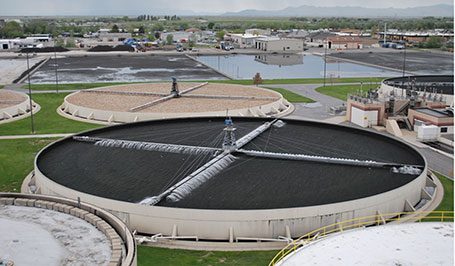
Cities raced to build treatment plants while federal grants were still available, creating a construction boom in the 1970s-80s.
Over subsequent decades, the federal share of water infrastructure costs shrank from over half to single digits. Utah's drop from 50-60% to 3% follows this national pattern.
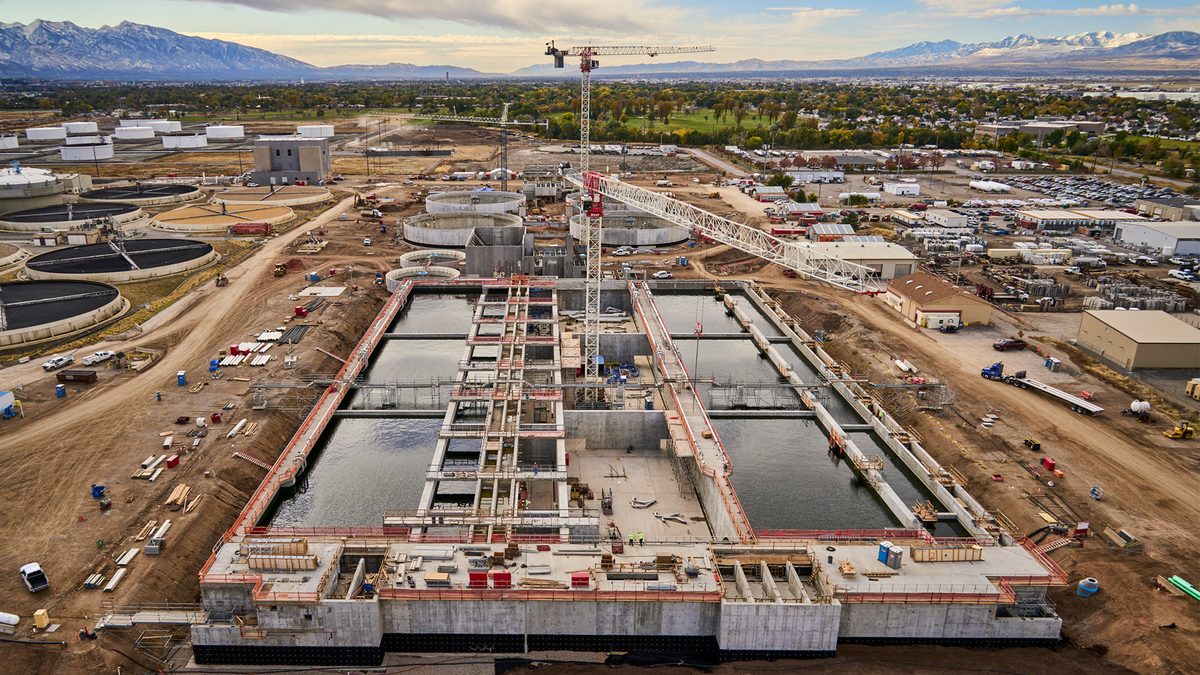
This is the structural origin of Salt Lake City's current problem: the city was built to expect federal cost-sharing that no longer exists, and the $850M sewage plant was designed under that assumption.