
Pull to refresh
Logo
Liquor store approved at Baltimore block where police broke up drug market in 2024

Liquor store approved at Baltimore block where police broke up drug market in 2024

Rule Changes

City Liquors got a use-and-occupancy permit and a package-goods liquor license transfer for 4300 Belair Road.

July 10th, 2026: Liquor license transferred to City Liquors

Overview

Updated 7 hours ago

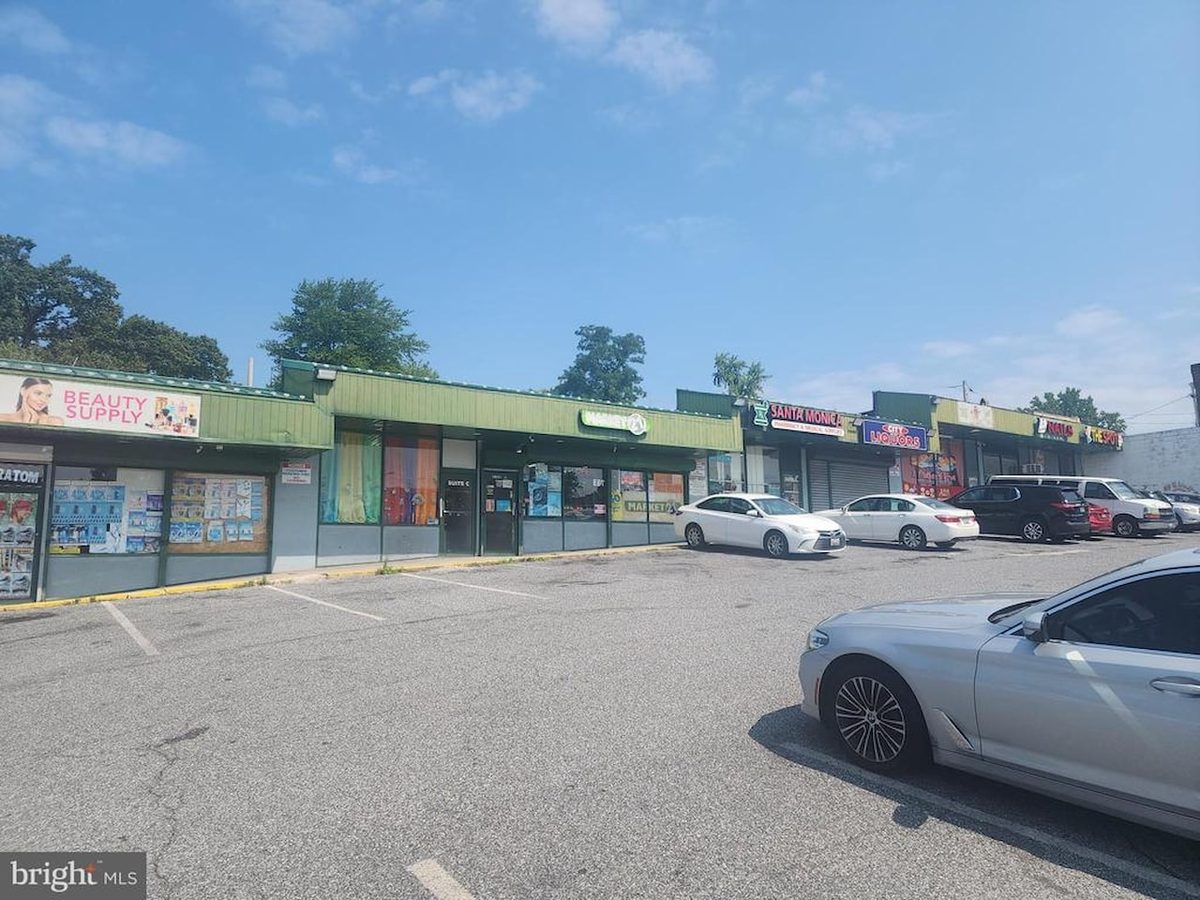
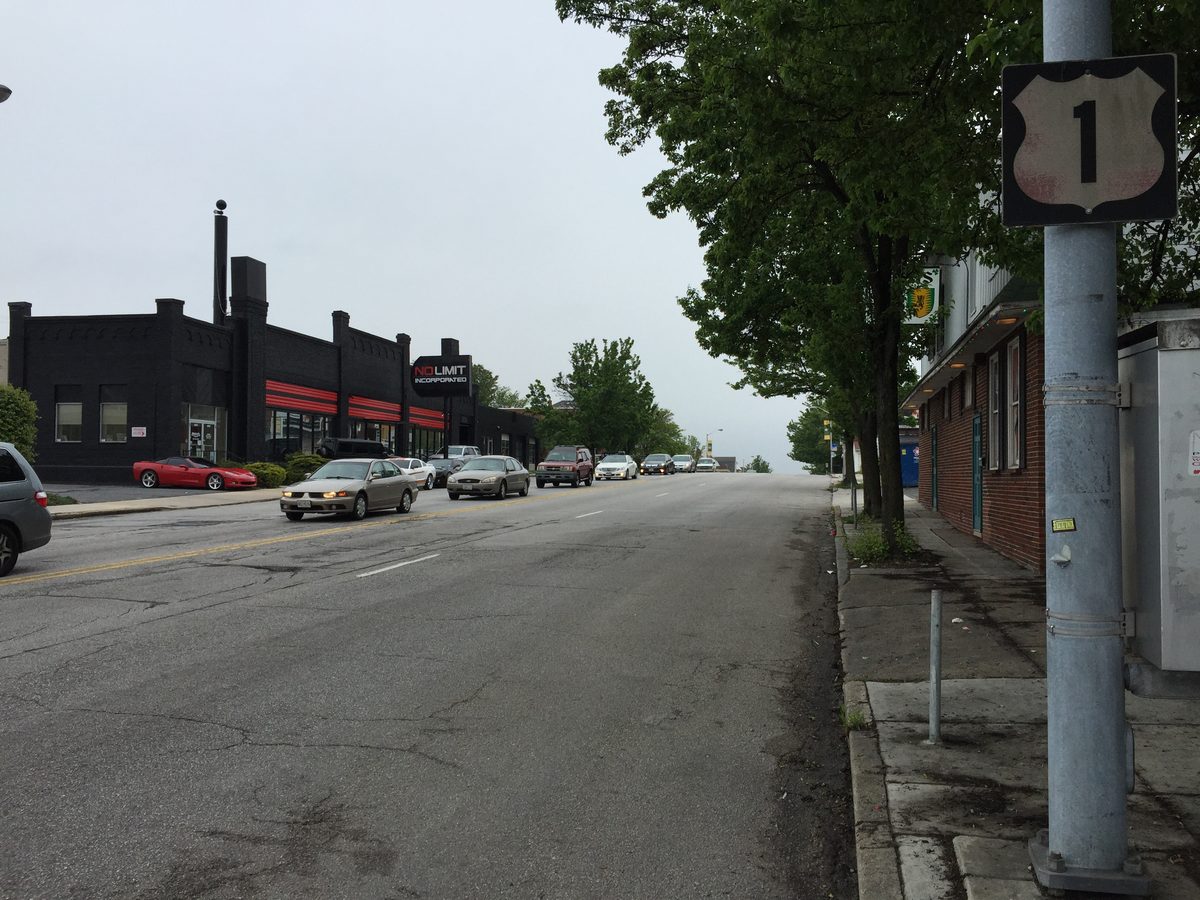
City Liquors is cleared to open at 4300 Belair Road, the Baltimore block where police dismantled an open-air drug market in 2024. City records filed June 17 and July 10 approved the store's use-and-occupancy permit and transferred a package-goods liquor license to the address.

The store can sell alcohol for take-out only, not on-site consumption. It is now cleared to operate at a corner that was, until 2024, the hub of the '4200' crew's heroin, cocaine, and fentanyl sales. When it opens, it will test whether formal retail can replace the illegal corner economy, in a city that has spent years trying to shrink its liquor store count, not grow it.

Why it matters

A carry-out liquor store is now licensed on a Baltimore block that was an open-air drug market until 2024.

Questions about this story

Free account needed to ask — your question is kept and asked for you right after sign-up. Answers are public.

No questions yet — be the first to ask.

Key Indicators

2
Regulatory approvals for City Liquors
Use-and-occupancy permit and liquor license transfer, filed June-July 2026.
10
People indicted in 2024 Belair-Parkside drug takedown
State's Attorney announced the takedown on September 23, 2024.
1,150
Licensed alcohol establishments in Baltimore City
Per the city's Board of Liquor License Commissioners.

Voices

Curated perspectives — historical figures and your fellow readers.

Ever wondered what historical figures would say about today's headlines?

Sign up to generate historical perspectives on this story.

Play

Exploring all sides of a story is often best achieved with Play.

Most of these play right now — no account needed. Sign up to save scores, keep a streak, and unlock Debate and Predict. Log in Sign Up
Predict 3 ways this could play out. Back the one you believe — contrarian picks score more when a scenario has a resolution date. Log in to play

People Involved

Organizations Involved

Timeline

February 2024 July 2026

4 events Latest: July 10th, 2026 · 2 months ago
Tap a bar to jump to that date
  1. Liquor license transferred to City Liquors

    Latest Licensing

    Package-goods liquor license transferred to City Liquors at 4300 Belair Road, clearing the store to open.

  2. Use-and-occupancy permit issued

    Permitting

    Baltimore approves a retail goods establishment with alcohol sales at 4300 Belair Road.

Historical Context

3 moments from history that rhyme with this story — and how they unfolded.

March-November 1984

Operation Pressure Point, New York City (1984)

NYPD flooded the Lower East Side to shut down an open-air heroin market that had operated for years. Police made thousands of arrests and pushed dealing off the streets.

Then

Drug corners were disrupted, but many dealers moved to nearby blocks or indoors.

Now

The area underwent slow, uneven redevelopment over two decades as legitimate commerce returned.

Why this matters now

Shows that clearing a drug corner doesn't instantly produce legitimate retail; the transition takes years and often draws new scrutiny from residents and regulators.

2014-2020s

Legal cannabis stores at former drug corners (2010s)

In Denver, Los Angeles, and Seattle, licensed cannabis dispensaries opened at addresses long known for black-market drug sales. Cities regulated store counts and locations to manage the transition.

Then

Some corners saw street dealing decline as licensed shops took over foot traffic.

Now

The formal market replaced part of the illegal economy, but neighborhood concerns about density and public safety continued.

Why this matters now

Direct parallel: a licensed alcohol store replacing illegal drug sales at a known corner, with regulators and residents watching how it operates.

2014-2015

Baltimore Liquor Reduction Act (2014)

Baltimore, through the Maryland legislature, moved to phase out liquor licenses in East Baltimore districts with the highest store density. The goal was to cut crime and public health harms tied to alcohol retail concentration.

Then

The city began reducing the number of liquor stores in targeted neighborhoods.

Now

Baltimore has generally tried to shrink its liquor store count, especially in lower-income areas.

Why this matters now

Context for why a new liquor store at a formerly high-crime corner may draw scrutiny: the city's policy direction has been to reduce density, not add to it.

Sources

(3)