


Pull to refresh
Logo
Former New Hampshire brewery sold to organ-transplant biotech

Former New Hampshire brewery sold to organ-transplant biotech

New Capabilities Boston, MA local

$47.5 million purchase gives United Therapeutics a nearly 300-acre site to expand organ-manufacturing operations

3 days ago: Sale becomes public

Overview

Updated 1 hour ago

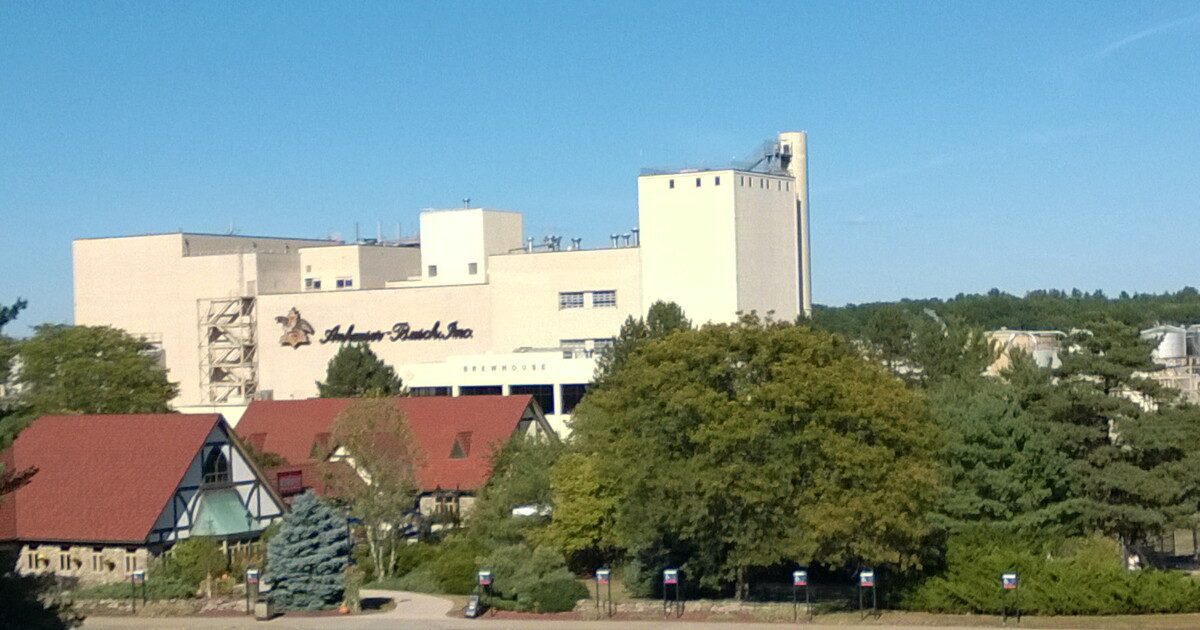
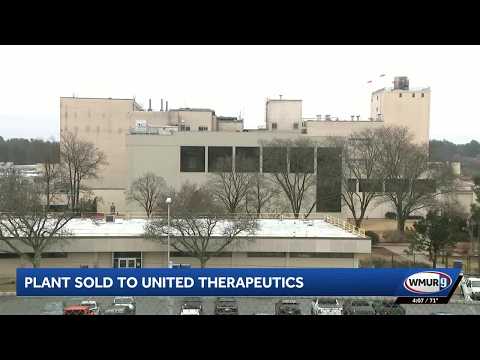
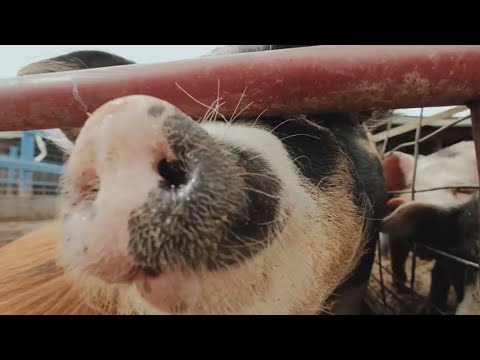
A former Anheuser-Busch brewery in Merrimack, New Hampshire, is becoming an organ-manufacturing site. United Therapeutics, a biotech company that builds 3D-printed organ scaffolds and gene-edited pig organs, paid $47.5 million for the nearly 300-acre property that Anheuser-Busch shut down in December.

The purchase is the company's largest infrastructure bet in the region. It expands United Therapeutics' New Hampshire footprint from an 80,000-square-foot research lab to a 683,000-square-foot industrial complex. That's the scale needed to move organ manufacturing from experimental research toward production.

Why it matters

Organ manufacturing is moving from lab research to production scale, and this former brewery is where that could happen.

Questions about this story

Free account needed to ask — your question is kept and asked for you right after sign-up. Answers are public.

No questions yet — be the first to ask.

Key Indicators

$47.5M
Purchase price
United Therapeutics paid for the former brewery and 300-acre site.
683,170 sq ft
Building footprint
Roughly nine times the size of United Therapeutics' 80,000-square-foot Manchester lab.
80+
New Hampshire scientists
United Therapeutics employees working in the state on organ manufacturing.
65%
NH life-science employer growth
From 325 employers in 2019 to 536 in 2025, per state employment data.

Voices

Curated perspectives — historical figures and your fellow readers.

Ever wondered what historical figures would say about today's headlines?

Sign up to generate historical perspectives on this story.

Play

Exploring all sides of a story is often best achieved with Play.

Most of these play right now — no account needed. Sign up to save scores, keep a streak, and unlock Debate and Predict. Log in Sign Up
Predict 3 ways this could play out. Back the one you believe — contrarian picks score more when a scenario has a resolution date. Log in to play

People Involved

Organizations Involved

Timeline

January 1970 September 2026

5 events Latest: 3 days ago
Tap a bar to jump to that date
  1. Sale becomes public

    Latest Announcement

    Boston.com reports the former brewery's new owner, drawing attention to the organ-manufacturing plans.

  2. Sale closes to United Therapeutics

    Acquisition

    Biotech company pays $47.5 million for the 300-acre site with a five-year deed ban on brewing.

  3. Anheuser-Busch announces Merrimack closure

    Closure

    About 125 workers offered relocation or severance as the brewery shuts down.

  4. United Therapeutics moves organ group to Manchester

    Expansion

    Company relocates organ manufacturing research from Burlington, Vermont to the Millyard.

  5. Merrimack brewery opens

    Milestone

    Anheuser-Busch opens its New Hampshire plant on Daniel Webster Highway.

Historical Context

3 moments from history that rhyme with this story — and how they unfolded.

1935-present

Manchester Millyard: textiles to tech (1935-present)

The Amoskeag Manufacturing Company was the world's largest textile producer, employing 17,000 people in mills along the Merrimack River. It closed in 1935, leaving millions of square feet of empty factory space in the middle of Manchester.

Then

The mills sat largely vacant for decades as the region's textile economy collapsed.

Now

Starting in the 1980s, the Millyard became office and tech space. Dean Kamen's DEKA moved in, and later United Therapeutics established its organ-manufacturing lab there.

Why this matters now

This is the same regional pattern: a massive legacy industrial facility repurposed for high-tech manufacturing. The Merrimack purchase is the next chapter in that transformation.

2010

NUMMI plant becomes Tesla's Fremont factory (2010)

The Fremont plant was a joint GM-Toyota facility that built cars for 26 years. Toyota shut it in 2010, and Tesla took over the same year, converting the 5.3-million-square-foot factory into its main EV plant.

Then

Tesla's early years at Fremont were chaotic, with production delays and quality problems.

Now

The plant became the birthplace of the Model S and Model 3. Tesla now produces hundreds of thousands of cars a year there, proving a legacy factory could anchor a new industry.

Why this matters now

Like the Fremont plant, the Merrimack facility gives a company a production-scale site for a technology still in its early commercial phase. The parallel suggests ambitious conversions are possible but take years and significant capital.

January 2022

First gene-edited pig heart transplant (2022)

Surgeons at the University of Maryland Medical Center implanted a gene-edited pig heart into 57-year-old David Bennett, who was ineligible for a human donor organ. He survived two months before dying of heart failure.

Then

The case proved that genetically modified pig organs can function in a human body, at least temporarily. It sparked debate about the ethics and practicality of xenotransplantation.

Now

United Therapeutics is among the leading companies pursuing regulatory approval for xenotransplantation. The goal is to make organs available on demand rather than on donor availability.

Why this matters now

The Merrimack purchase is infrastructure for that goal. Manufacturing organs at scale requires facilities with the space and cleanroom capacity the former brewery provides.

Sources

(3)