

Pull to refresh
Logo
Nubian Square Ascends project replaces office and lab space with training and arts facility

Nubian Square Ascends project replaces office and lab space with training and arts facility

Built World Boston, MA local

Rising construction costs and weak office demand push developer to a smaller design

Today: Developer replaces office and lab space with smaller plan

Overview

Updated 1 hour ago

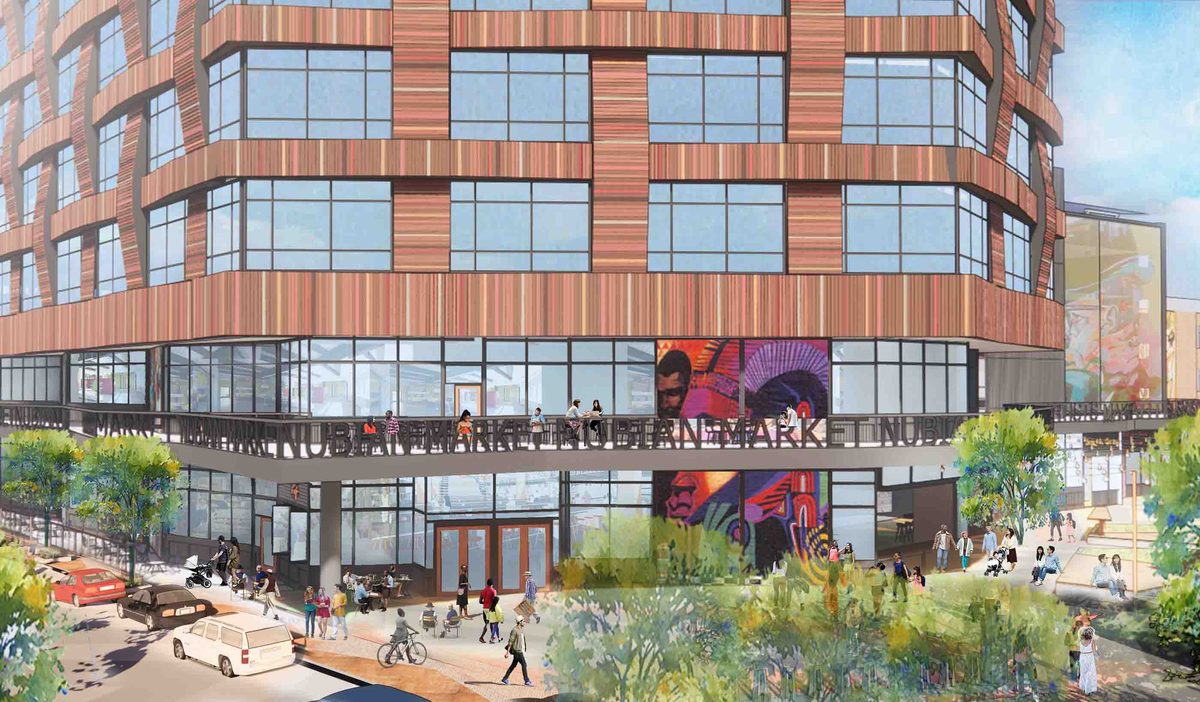
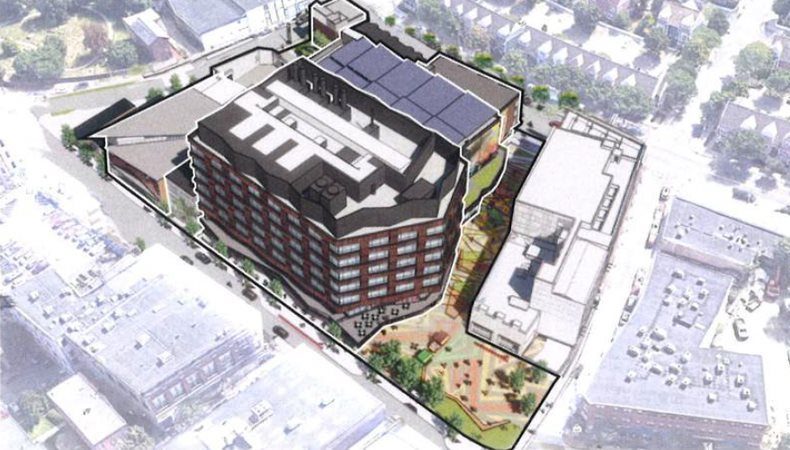
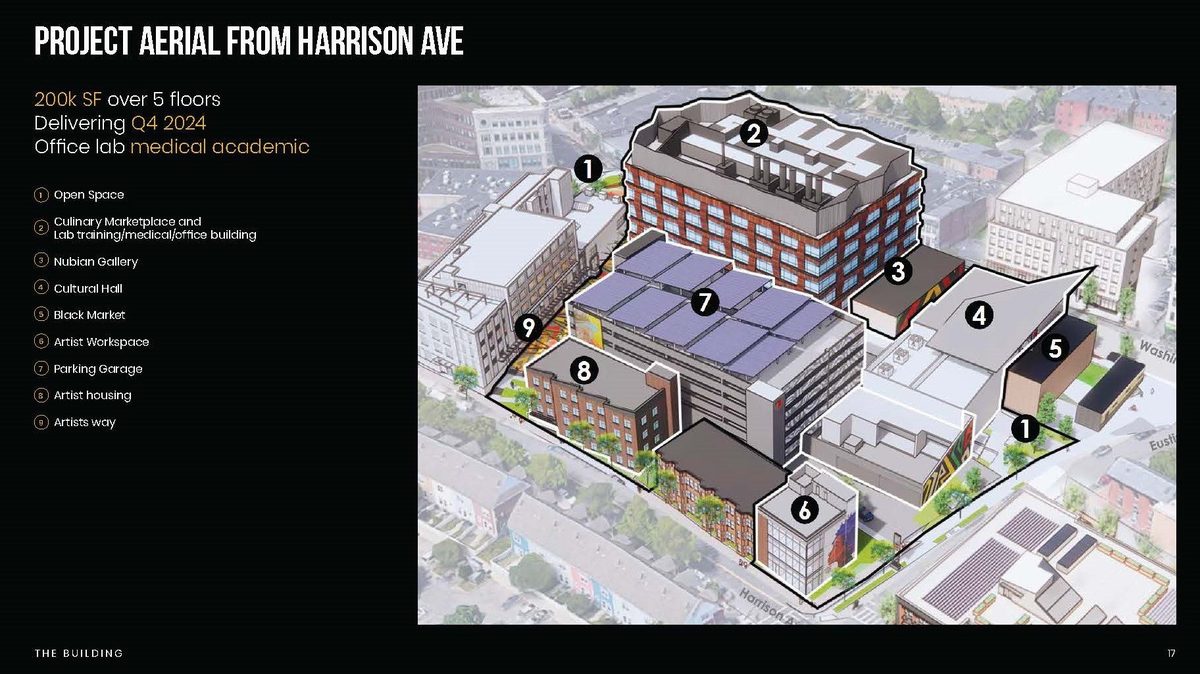
A 365,000-square-foot mixed-use project planned for Boston's Nubian Square is getting smaller. Nubian Square Ascends, approved in 2022 with 135,000 square feet of office and lab space, will instead carry a smaller workforce training and arts facility.

Developer Nubian Ascend Partners cites rising construction costs and weak office demand. The redesign shows how the post-pandemic lab boom that drove Boston development has cooled. Roxbury was counting on those office workers to fill its streets.

Why it matters

For Roxbury, the lost office and lab space means fewer daytime jobs and a slower path to the neighborhood's long-awaited revival.

Monday: what changed in Boston, MA

One short email a week with the openings, closings, permits and council votes we covered. Free. Unsubscribe in one click.

Questions about this story

Free account needed to ask — your question is kept and asked for you right after sign-up. Answers are public.

No questions yet — be the first to ask.

Key Indicators

135,000 sq ft
Office and lab space cut from design
The original plan allocated 135,000 sq ft to office and lab; the revised plan replaces it with a smaller training and arts facility.
365,000 sq ft
Original approved project size
The 2022-approved design included a culinary marketplace, office and lab space, and a 300-space parking garage.
4
Years since BPDA approval
Approved in 2022, the project has not broken ground as of October 2026.

Voices

Curated perspectives — historical figures and your fellow readers.

Ever wondered what historical figures would say about today's headlines?

Sign up to generate historical perspectives on this story.

People Involved

Organizations Involved

Timeline

2021 October 2026

4 events Latest: Today
Tap a bar to jump to that date
  1. Developer replaces office and lab space with smaller plan

    Today Redesign

    Rising costs and weak office demand push developer to swap in workforce training and arts facility.

  2. Developer targets year-end groundbreaking

    Milestone

    Richard Taylor says he aims to finalize financing and break ground by end of 2023.

  3. BPDA approves Nubian Square Ascends

    Approval

    City agency clears 365,000-sq-ft mixed-use project on Washington Street in Roxbury.

  4. Stantec releases detailed design plans

    Design

    Plans call for culinary marketplace, 135,000 sq ft of office and lab space, and 300-space parking garage.

Scenarios

1

Revised Nubian Square Ascends breaks ground

Possible Resolves by End of 2027

Discussed by: Boston.com, MassDevelopment reporting

Nubian Ascend Partners files revised plans with the BPDA, secures financing for the smaller training and arts facility, and starts construction on the Washington Street parcel. The culinary marketplace component may remain but the office and lab portion is gone.

2

Project stalls as financing fails again

Possible Resolves by End of 2027

Discussed by: Local development watchers

The developer cannot secure financing even for the scaled-down design. The city-owned parcel stays vacant, and the BPDA or Nubian Ascend Partners announces the project is indefinitely postponed or cancelled. A smaller community-led alternative could emerge.

3

Office and lab demand rebounds, larger design returns

Unlikely Resolves by Q2 2028

Discussed by: Commercial real estate analysts

If Boston's office and lab markets recover, the developer could seek to restore some office or lab space in a future phase. This would require a new BPDA filing and new financing commitments.

Historical Context

3 moments from history that rhyme with this story — and how they unfolded.

2002-2009

Columbus Center air-rights project (2002-2009)

A planned $1 billion-plus air-rights development over the Mass Pike in Boston's Back Bay, with condos, a hotel, offices, and retail, spent years in permitting. The 2008 financial crisis froze financing, and the developer defaulted in 2009 without building.

Then

The project collapsed and the developer defaulted on its obligations.

Now

The air-rights parcels remain undeveloped, a cautionary example of ambitious Boston projects that depend on private capital.

Why this matters now

Like Nubian Square Ascends, a large, approved Boston development failed to break ground when financial conditions turned. The comparison shows how capital markets, not just demand, decide which projects get built.

2021-2024

Greater Boston lab space boom-bust (2021-2024)

Developers across Cambridge, Somerville, and Boston rushed to build lab and office space during the life-sciences boom. As interest rates rose and biotech venture funding cooled, lab vacancy climbed and dozens of projects were shelved or redesigned.

Then

Lab vacancy in Greater Boston rose sharply; developers pivoted to residential or other uses.

Now

The correction reset expectations for lab development, making financing harder for new projects.

Why this matters now

Nubian Ascends' office and lab component was part of this boom. Its collapse reflects the same market turn that has reshaped lab development across the region.

2015

Bolling Building anchor move (2015)

Boston Public Schools moved its headquarters into the former Ferdinand building in Dudley Square, now Nubian Square. City officials hoped the anchor office tenant would trigger private investment across the neighborhood.

Then

Little immediate private development followed; the neighborhood stayed quiet after business hours.

Now

The move laid groundwork for later housing and commercial projects, but momentum built slowly over years.

Why this matters now

It shows that public anchor projects alone have not historically been enough to spark Nubian Square development, a challenge the scaled-down Ascends plan now faces.

Sources

(4)