
Pull to refresh
Logo
Amazon subleases most of Seaport office tower it planned to fill

Amazon subleases most of Seaport office tower it planned to fill

Built World Boston, MA local

Tech giant lists 375,000 square feet at 1 Boston Wharf Road for sublease

Today: Banker & Tradesman reports sublease

Overview

Updated 1 hour ago

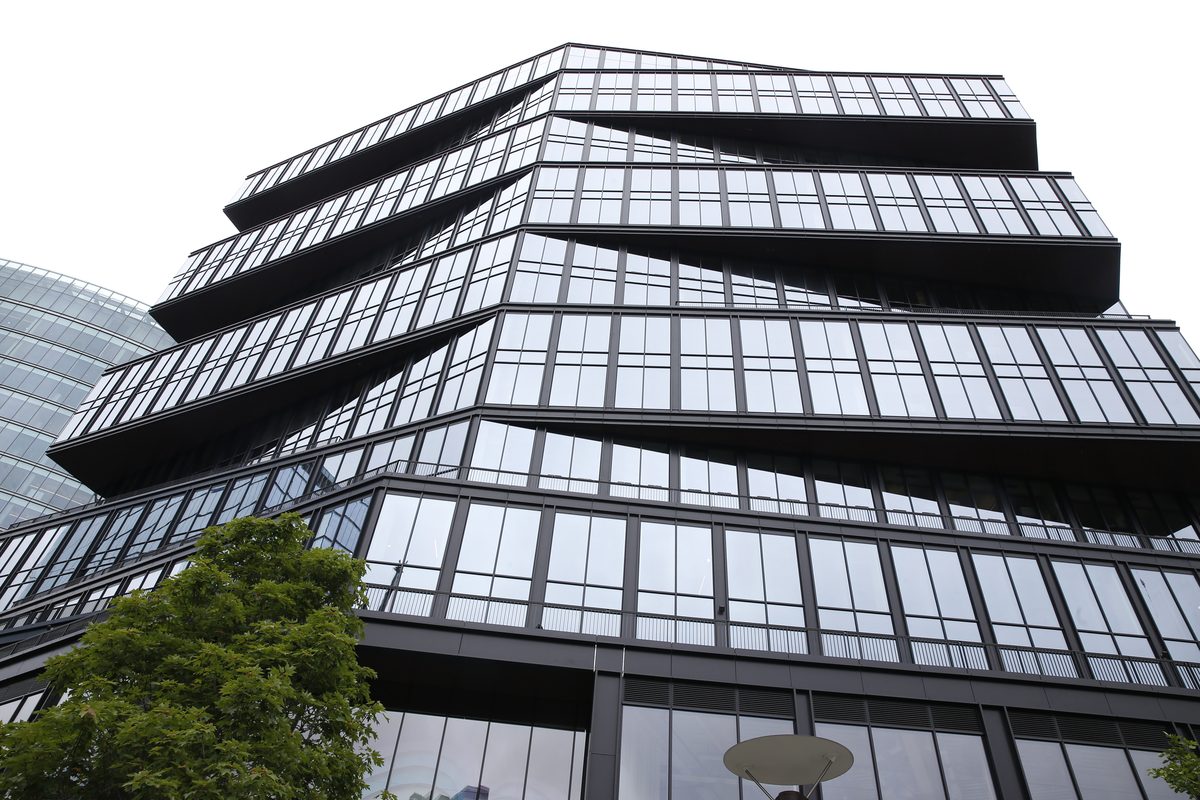
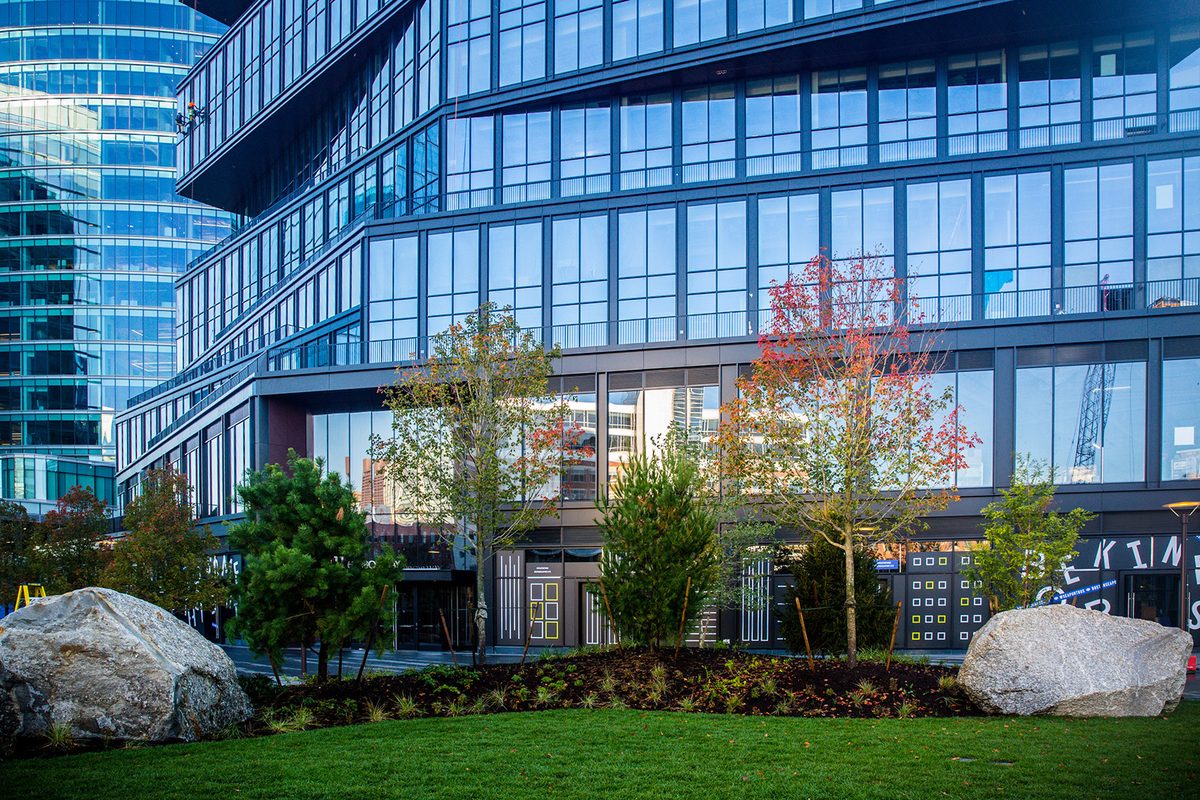
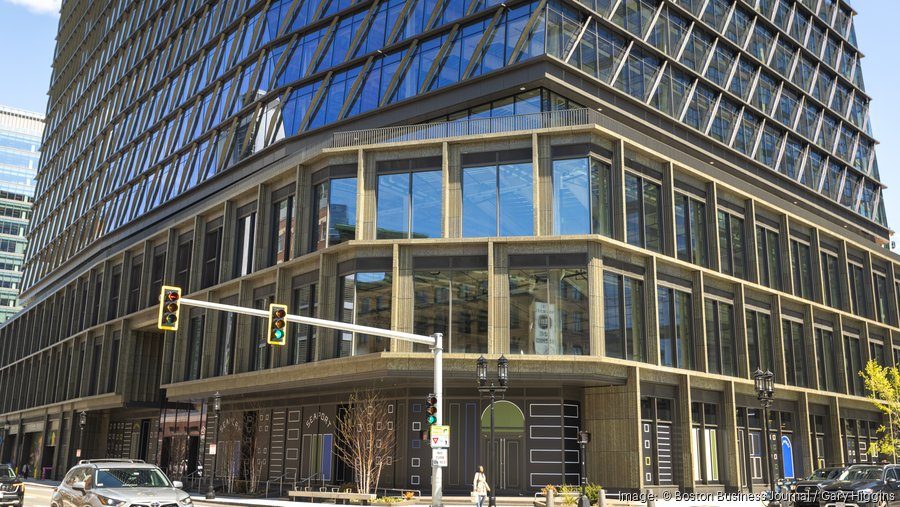
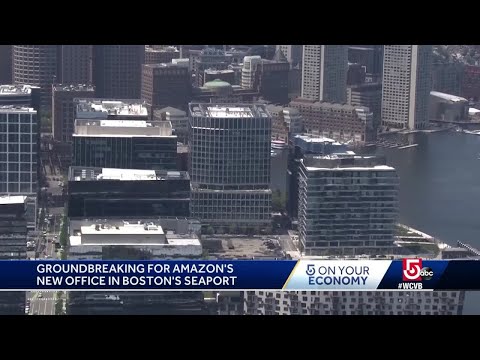
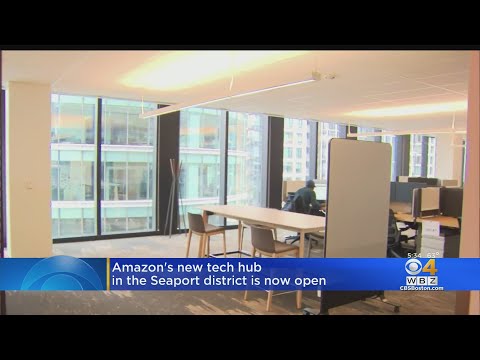
Amazon will no longer occupy about 60 percent of the 17-story office tower it planned to fill in Boston's Seaport District. The company is subleasing 375,000 square feet at 1 Boston Wharf Road, a building whose full 630,000 square feet it leased in January 2021.

The move adds to a deepening office slump in the Seaport, where vacancies exceed 24 percent and the availability rate is nearly 28 percent. Amazon originally planned to hire 3,000 employees across Alexa, Amazon Web Services, Amazon Robotics and Amazon Pharmacy at the site.

Why it matters

Amazon's 375,000-square-foot sublease shows even the biggest tech companies are shrinking office footprints, a challenge for Boston's commercial real estate market and the Seaport's future.

Monday: what changed in Boston, MA

One short email a week with the openings, closings, permits and council votes we covered. Free. Unsubscribe in one click.

Questions about this story

Free account needed to ask — your question is kept and asked for you right after sign-up. Answers are public.

No questions yet — be the first to ask.

Key Indicators

375,000 sq ft
Office space Amazon is subleasing
About 60% of the 630,000 sq ft building at 1 Boston Wharf Road.
24%
Seaport office vacancy rate
Exceeds 24% per Hunneman's Q3 2026 market report.
27.9%
Seaport office availability rate
Includes sublease listings, per Hunneman.
3,000
Planned Amazon jobs at the site
Originally expected to fill the offices upon completion in 2027.

Voices

Curated perspectives — historical figures and your fellow readers.

Ever wondered what historical figures would say about today's headlines?

Sign up to generate historical perspectives on this story.

People Involved

Organizations Involved

Timeline

2018 October 2026

6 events Latest: Today
Tap a bar to jump to that date
  1. Banker & Tradesman reports sublease

    Today Report

    Banker & Tradesman reports Amazon sublease adds to Seaport office slump.

  2. Amazon lists 375,000 sq ft for sublease

    Real Estate

    Amazon lists 375,000 square feet at 1 Boston Wharf Road for sublease.

  3. Rohit Prasad leaves Amazon

    Personnel

    Rohit Prasad, who ran Alexa AI in the Seaport, leaves Amazon.

  4. Alexa AI leadership moves to Seattle

    Corporate

    Amazon CEO Andy Jassy moves Alexa AI development leadership from Boston to Seattle.

  5. Amazon signs lease for 1 Boston Wharf Road

    Lease

    Amazon signs lease for 630,000 square feet at 1 Boston Wharf Road, plans 3,000 jobs.

  6. Amazon agrees to lease 111 Harbor Way

    Lease

    Amazon agrees to lease 430,000 square feet at 111 Harbor Way in the Seaport.

Scenarios

1

Amazon finds subtenant for Seaport office space

Possible Resolves by End of 2027

Discussed by: Boston real estate brokers and analysts

Other companies, possibly in tech or life sciences, lease the space. The building's amenities, including theaters and ground-floor retail, could attract tenants. WS Development has already secured Hasbro for a nearby building.

2

Seaport office vacancy persists

Likely Resolves by End of 2027

Discussed by: Hunneman and real estate analysts

The space remains on the market, contributing to the Seaport's high vacancy rate. Other developments, like 10 World Trade and Seaport Circle, may face further delays.

3

Amazon exits the lease entirely

Unlikely Resolves by End of 2027

Discussed by: Real estate observers

Amazon negotiates a buyout or early termination of the lease, leaving WS Development to find a new tenant for the entire building. This would be the most disruptive outcome for the Seaport market.

Historical Context

3 moments from history that rhyme with this story — and how they unfolded.

2000-2002

Dot-com bust (2000-2002)

Tech companies that expanded rapidly during the late 1990s boom gave back office space when the bubble burst. San Francisco's office vacancy rate soared from about 2 percent to over 20 percent.

Then

Massive office vacancies in tech hubs; developers and landlords faced significant losses.

Now

The office market took years to recover; some buildings were converted to residential or other uses.

Why this matters now

Like Amazon's pandemic-era expansion, the dot-com boom saw tech companies lease space they later couldn't fill.

2019-2023

WeWork collapse (2019-2023)

The flexible office provider expanded aggressively, signing long-term leases, then collapsed when the pandemic hit and remote work became widespread. WeWork filed for bankruptcy in November 2023.

Then

Millions of square feet of office space returned to the market.

Now

Contributed to the structural decline in office demand in major cities.

Why this matters now

Shows how quickly office space can flood the market when a major tenant retreats.

2008-2010

2008 financial crisis (2008-2010)

The financial crisis led banks and financial firms to cut jobs and give back office space. Major cities saw office vacancies spike as the economy contracted.

Then

Office vacancy rates in major cities rose sharply, with some markets seeing double-digit vacancies.

Now

The office market recovered slowly over several years, with some buildings converted to other uses.

Why this matters now

Shows how a major economic shock can leave office space vacant for years, similar to the current Seaport situation.

Sources

(4)