



Pull to refresh
Logo
Massachusetts sues ICE over courthouse arrests

Massachusetts sues ICE over courthouse arrests

Rule Changes Boston, MA local

Attorney General Andrea Campbell says a May 2025 ICE directive violates the state's new PROTECT Act and the Tenth Amendment

Overview

Updated 1 hour ago

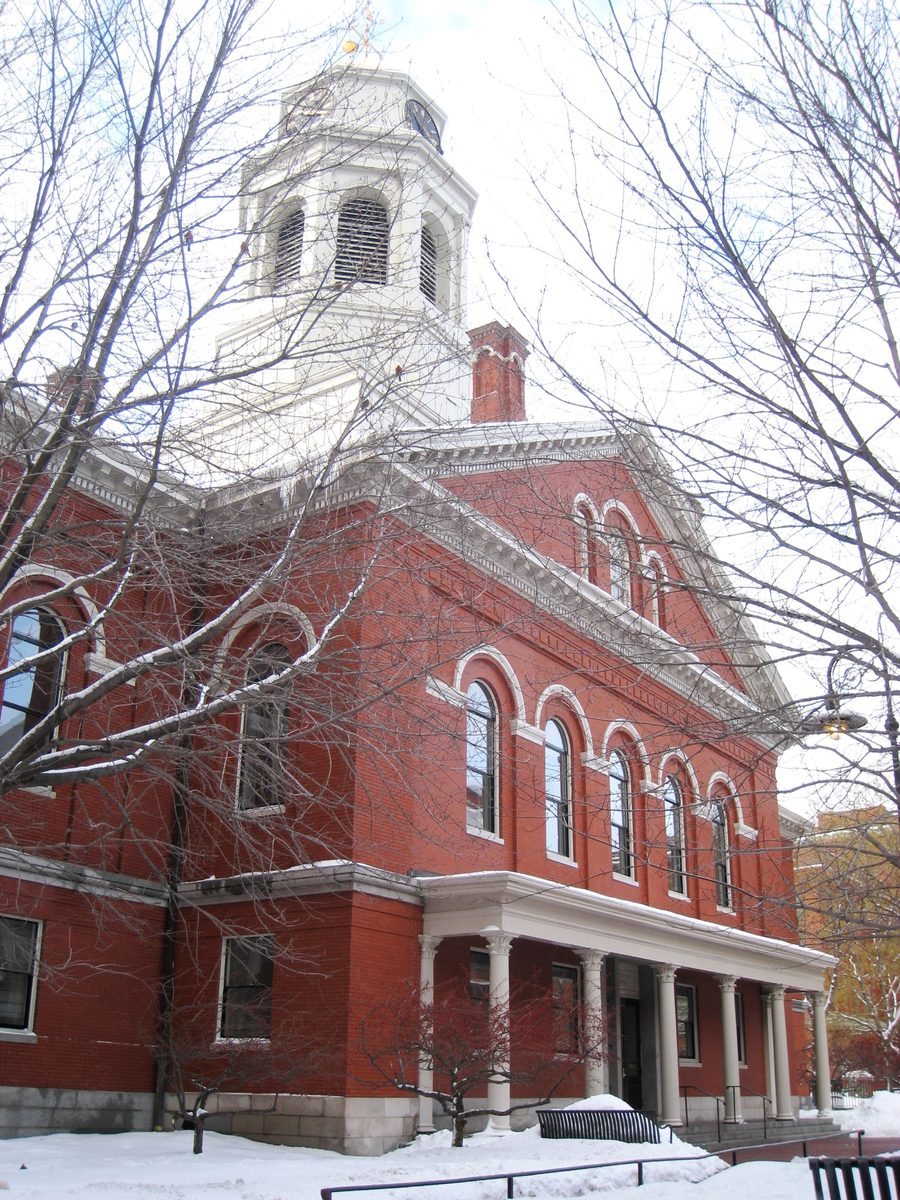
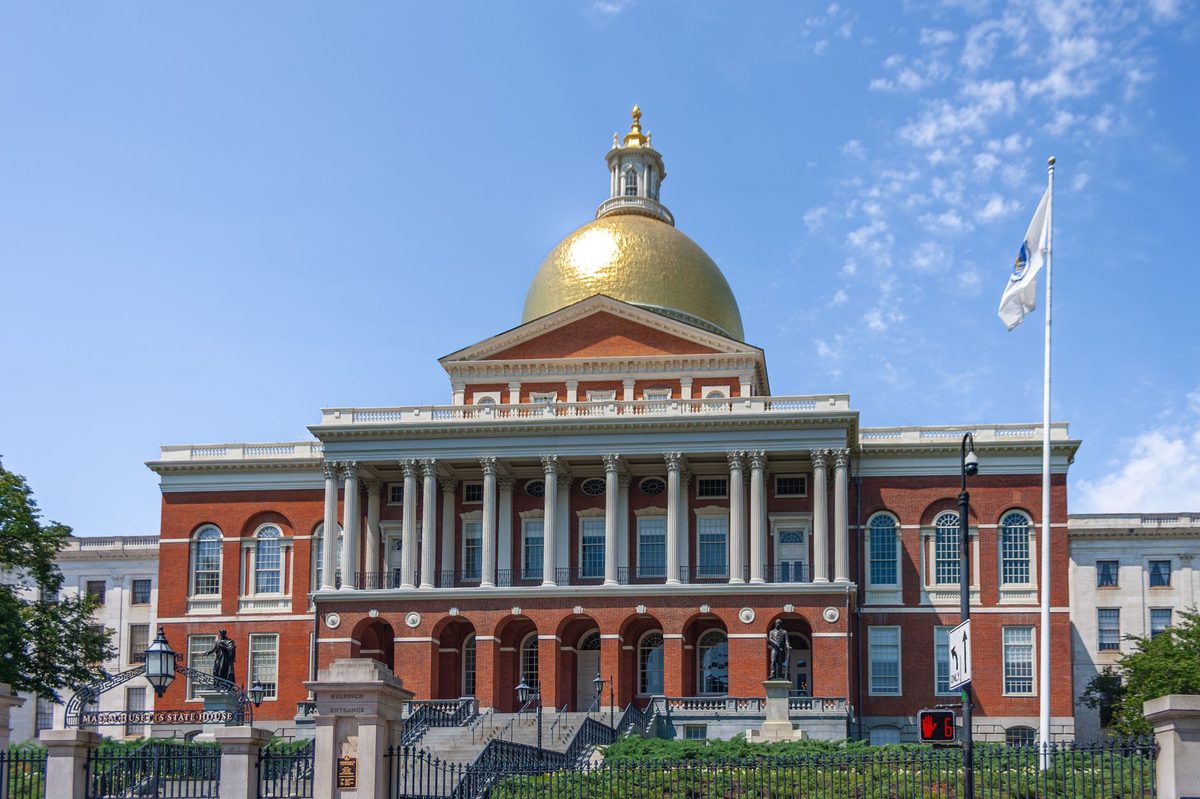
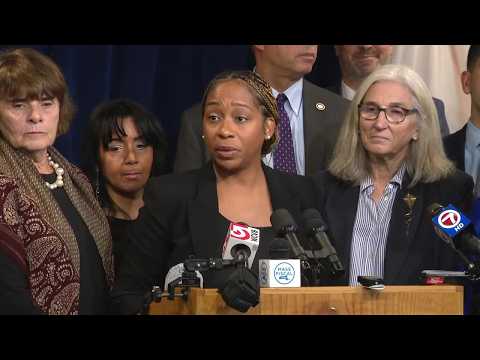
Massachusetts Attorney General Andrea Campbell sued U.S. Immigration and Customs Enforcement on Nov. 23, arguing that agents are violating a new state law by making civil arrests in courthouses without judicial warrants. The 38-page complaint says ICE has arrested at least 38 people inside Massachusetts courthouses since the PROTECT Act's courthouse provision took effect on Nov. 3.

The lawsuit asks a federal judge to block ICE from relying on a May 2025 directive that lets agents enter courthouses when they have 'credible information' a target will be there. The case turns on whether a state can restrict federal immigration enforcement on its own property, or whether the Supremacy Clause gives ICE the final word.

Why it matters

A ruling could decide whether states can require warrants for federal immigration arrests in courthouses, or whether ICE can ignore such laws.

Last Monday's email for Boston, MA

Sent Nov 23. It carried:

Get next Monday's: one short email a week. Free. Unsubscribe in one click.

Questions about this story

Free account needed to ask — your question is kept and asked for you right after sign-up. Answers are public.

No questions yet — be the first to ask.

Key Indicators

38
Courthouse arrests without judicial warrants since Nov. 3, 2026
Campbell's allegation in the complaint; ICE has not responded publicly.
500+
Arrests at Massachusetts courthouses in first 10 months of 2026
Figure cited by Campbell from ICE data.
600+
Arrests at Massachusetts courthouses in 2025
Figure cited by Campbell from ICE data.

Voices

Curated perspectives — historical figures and your fellow readers.

Sign up to generate historical perspectives on this story.

People Involved

Organizations Involved

Timeline

2025 November 2026

5 events Latest: Today
Tap a bar to jump to that date
  1. Healey signs PROTECT Act

    Legislation

    Law bars ICE from civil arrests at courthouses, schools, and hospitals without judicial warrants.

  2. ICE issues directive on courthouse arrests

    Policy

    Directive allows civil immigration arrests in or near courthouses when agents have 'credible information' a target will be present.

Scenarios

1

Judge blocks ICE courthouse arrests

Possible Resolves by Q2 2027

Discussed by: Attorney General Campbell, who says she is confident a judge will side with the state.

Campbell asks a federal judge to declare the May 2025 directive unlawful and issue an injunction. If granted, ICE would need judicial warrants to arrest people in Massachusetts courthouses while the case proceeds.

2

Court sides with ICE on Supremacy Clause

Possible Resolves by End of 2027

Discussed by: DHS, which cited the Supremacy Clause in comments to Boston.com.

DHS argues federal immigration enforcement is exclusively a federal power and that Massachusetts cannot regulate ICE's operations. A judge could agree, invalidating the PROTECT Act's courthouse provision as applied to federal agents.

3

ICE withdraws directive, case dismissed

Unlikely Resolves by Q2 2027

Discussed by: Immigrant advocates who say ICE is ignoring the PROTECT Act.

Under political or legal pressure, ICE could rescind the May 2025 directive or issue new guidance limiting courthouse arrests. That would make the case moot.

Historical Context

3 moments from history that rhyme with this story — and how they unfolded.

2019

Middlesex DA lawsuit over ICE courthouse arrests (2019)

After ICE formalized a policy on courthouse arrests, Middlesex District Attorney Marian Ryan and other prosecutors sued, arguing the agency was exceeding its authority. A federal judge granted a preliminary injunction blocking the policy. The First Circuit Court of Appeals later reversed the injunction.

Then

The injunction temporarily stopped ICE from making courthouse arrests in Massachusetts.

Now

The reversal left ICE free to continue courthouse operations and set the stage for the current fight, now backed by a state statute.

Why this matters now

Campbell's lawsuit revives the same legal question, but with the PROTECT Act giving her a state-law hook the 2019 plaintiffs lacked.

1997

Printz v. United States (1997)

The Supreme Court struck down provisions of the Brady Handgun Violence Prevention Act that required state and local law enforcement to conduct background checks on handgun buyers. The Court held that the federal government cannot commandeer state executive officials to administer federal programs.

Then

The ruling limited federal power to compel state officials to enforce federal law.

Now

Printz became a foundational case for Tenth Amendment anti-commandeering arguments.

Why this matters now

Campbell's Tenth Amendment argument draws on a related principle: that the federal government cannot force state institutions to serve federal enforcement goals.

2012

Arizona v. United States (2012)

The Supreme Court struck down key provisions of Arizona's SB 1070, a state law that imposed its own immigration enforcement requirements. The Court held that federal law preempts state immigration measures, reaffirming federal primacy over immigration policy.

Then

Arizona's law was largely invalidated.

Now

The ruling became a benchmark for federal preemption in immigration cases.

Why this matters now

ICE and DHS are likely to invoke this precedent to argue that Massachusetts cannot regulate federal immigration enforcement through the PROTECT Act.

Sources

(3)