


Pull to refresh
Logo
Judge finds ICE agent falsified Oregon arrest record, orders body camera footage

Judge finds ICE agent falsified Oregon arrest record, orders body camera footage

Rule Changes

A federal judge withdrew the presumption that ICE agents tell the truth in arrest paperwork and widened what the agency must hand over

Overview

Updated 1 hour ago

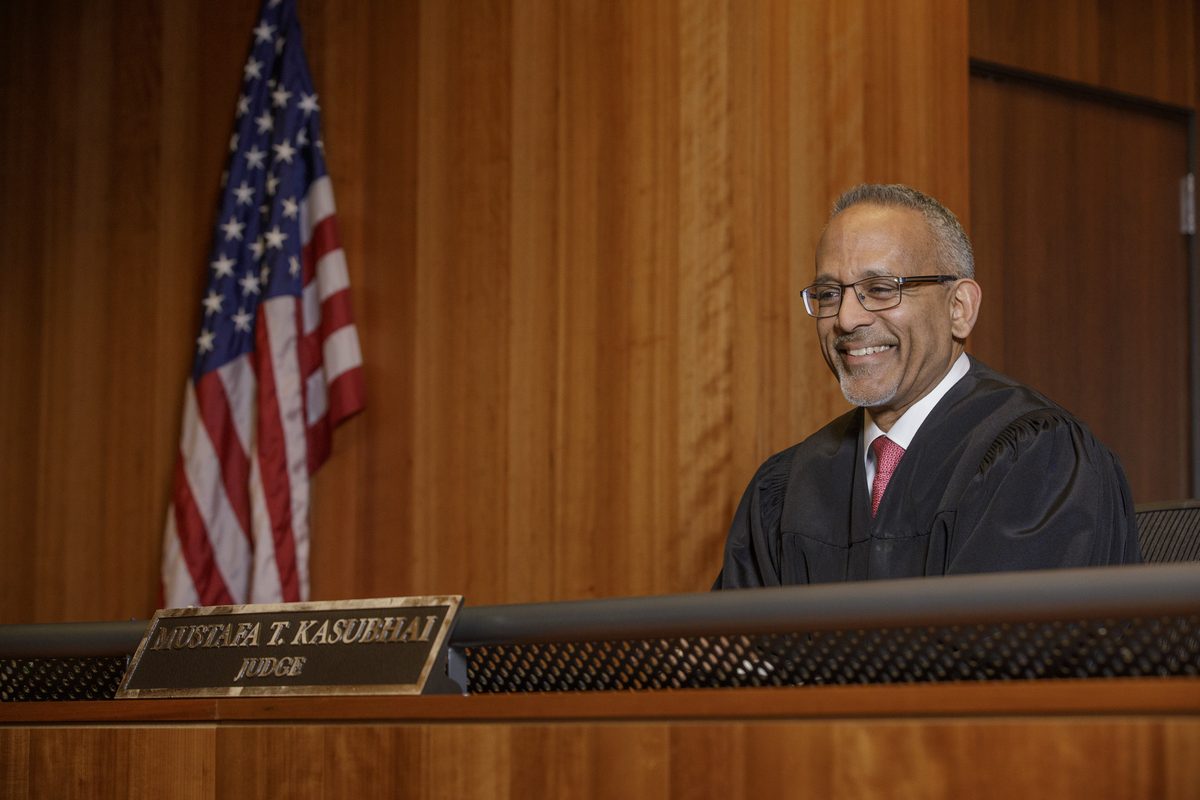
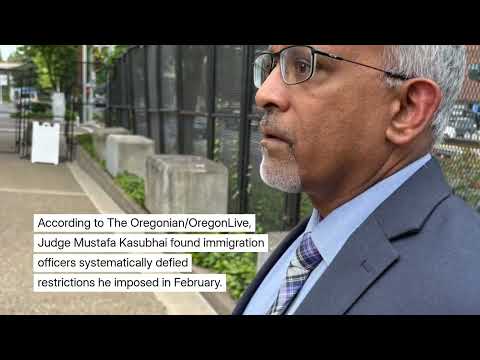
On November 2, U.S. District Judge Mustafa Kasubhai found that an ICE agent wrote a false account of an arrest in an official federal form, and that the agency had reported 11 warrantless arrests in Oregon when more had occurred. He withdrew the usual assumption that government officers have done their jobs honestly.

The practical effect is a change in what evidence counts. Monitoring of the court's February injunction will now rest on full case files and body camera footage rather than the agency's own written narratives, which the judge described as boilerplate, vague or fabricated.

Why it matters

Challenges to ICE arrests in Oregon will now rest on body camera footage and full case files instead of the agency's written accounts.

Questions about this story

Free account needed to ask — your question is kept and asked for you right after sign-up. Answers are public.

No questions yet — be the first to ask.

Key Indicators

504
Non-custodial arrests in Oregon
Arrests ICE officers made in the District of Oregon between February 5 and July 31, 2026.
11
Arrests reported as warrantless
The number ICE initially reported to the court out of those 504 arrests.
50
Pages in the opinion
Length of Judge Kasubhai's November 2 enforcement order.
30
Reminder interval for ICE staff
How often the agency must repeat the injunction's terms to relevant employees.

Voices

Curated perspectives — historical figures and your fellow readers.

Sign up to generate historical perspectives on this story.

People Involved

Organizations Involved

Timeline

2025 November 2026

5 events Latest: 5 days ago
Tap a bar to jump to that date
  1. Body cameras become fully available to ICE agents

    Policy

    Plaintiffs told the court nationwide body camera deployment reached full availability on this date.

  2. Reporting window closes with 11 warrantless arrests reported

    Data

    ICE made 504 non-custodial arrests in the district and reported 11 as warrantless.

Scenarios

1

Full files and footage surface more unreported warrantless arrests

Likely Resolves by Feb 1, 2027

Discussed by: Judge Kasubhai's opinion and Innovation Law Lab's filings

ICE produces I-213 files, I-200 forms and body camera video for arrests since September 1, 2026. Plaintiffs compare the footage against the written narratives and identify at least one arrest the agency did not report as warrantless. The court then widens the injunction again.

2

Judge holds ICE in contempt or appoints a special master

Possible Resolves by Jun 1, 2027

Discussed by: Immigration litigation observers following the enforcement docket

If ICE misses the seven-day production window or continues to file narratives the court finds inaccurate, plaintiffs seek contempt sanctions. Kasubhai could appoint an outside monitor to audit arrest records rather than rely on agency self-reporting.

3

Ninth Circuit stays or narrows the injunction

Uncertain Resolves by Jun 1, 2027

Discussed by: Not yet briefed; the government has not publicly announced an appeal

The government asks the Ninth Circuit to pause or reverse the February injunction, arguing the district court overstepped in supervising arrest practices. A stay would suspend the document and footage requirements while the appeal proceeds.

Historical Context

2 moments from history that rhyme with this story — and how they unfolded.

June 2018

Ms. L. v. ICE family separation order (2018)

U.S. District Judge Dana Sabraw ordered the government to reunite roughly 2,700 children separated from parents at the border, with deadlines of 14 days for children under five and 30 days for others. Government records proved incomplete, and tracking down parents took months.

Then

Hundreds of parents were deported without their children, and the court repeatedly extended deadlines.

Now

The case produced years of court-supervised reporting on the government's own records and a 2023 settlement barring renewed separation.

Why this matters now

Both cases turned on whether a court could trust an agency's paperwork. Kasubhai's order reaches the same problem by requiring raw files and video instead of written narratives.

1999-2000

LAPD Rampart scandal (1999)

Los Angeles Police Department officer Rafael Pérez cooperated with investigators and described falsified reports, planted evidence and perjured testimony by the anti-gang CRASH unit. Roughly 100 convictions were later overturned.

Then

The department disbanded the unit and opened hundreds of misconduct reviews.

Now

A 2001 federal consent decree imposed outside oversight on the department for years.

Why this matters now

It shows what happens when a court stops accepting an agency's written record at face value: the remedy shifts to outside review of the underlying evidence.

Sources

(7)