Anchor

Four more communities cut ties or pause use of the automated license plate readers
3 days ago: Four more towns cut ties or pause FlockNew here? Follow stories to track developments over time. Create a free account to get updates when stories you care about change.
Overview
Updated 1 hour agoFour more Massachusetts towns cut ties with Flock Safety on the same day, bringing the total to over two dozen communities that have rejected the company's automated license plate readers. Abington, Ayer, and Groton terminated their contracts, while Southbridge suspended use of the cameras.
The recent decisions follow allegations that police officers misused Flock to track people for personal reasons, including a Stow officer who resigned after allegedly using the system to follow someone he knew. The backlash has turned Massachusetts into a test case for whether local communities can push back against private surveillance networks.
Why it matters
If the trend holds, Massachusetts could become the first state where most municipalities reject ALPR surveillance, pushing the legislature toward statewide privacy rules.
Questions about this story
Free account needed to ask — your question is kept and asked for you right after sign-up. Answers are public.
No questions yet — be the first to ask.
Key Indicators
25+
Massachusetts municipalities that have rejected Flock
Per ACLU of Massachusetts, over 25 communities have stopped using or paused the ALPR technology.
4
Towns that cut ties or paused in this wave
Abington, Ayer, Groton, and Southbridge announced decisions on the same day.
1
Officer resigned over alleged Flock misuse
A Stow police officer resigned after allegedly using Flock to track someone he knew.
Related Media
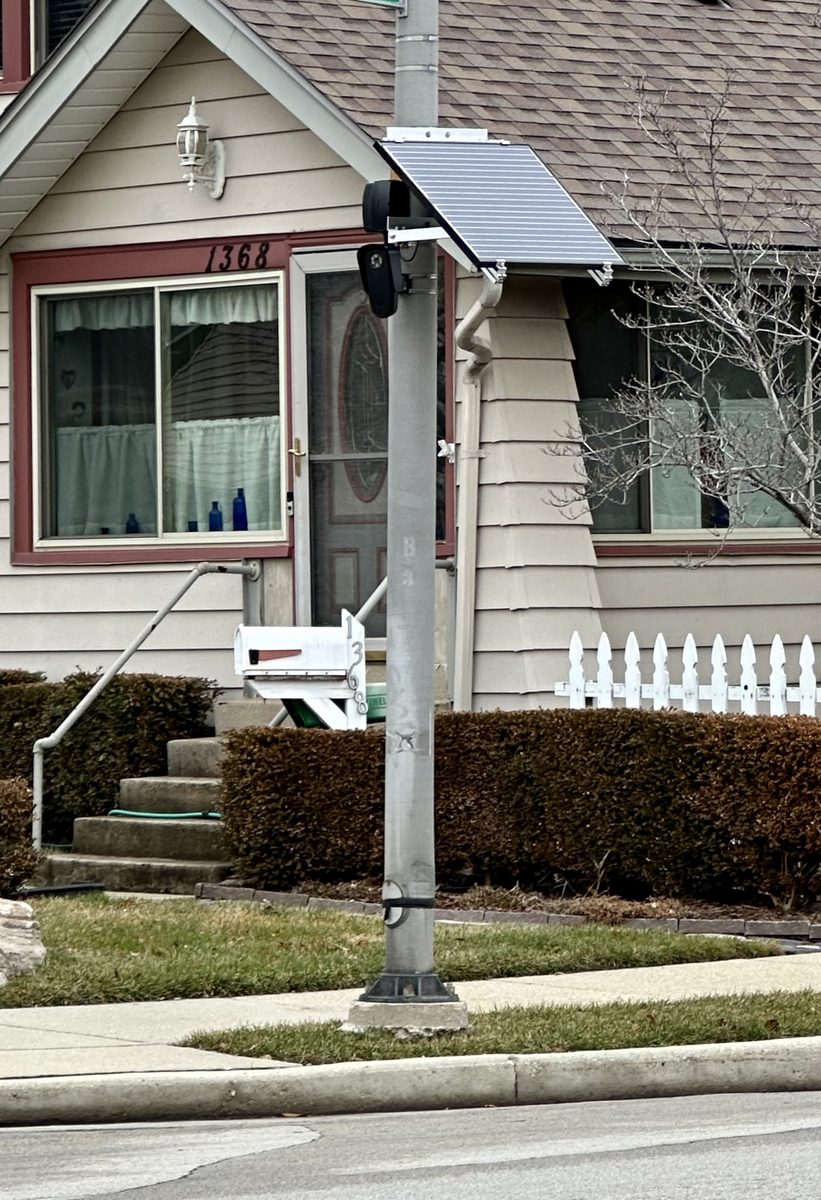
Flock Safety camera
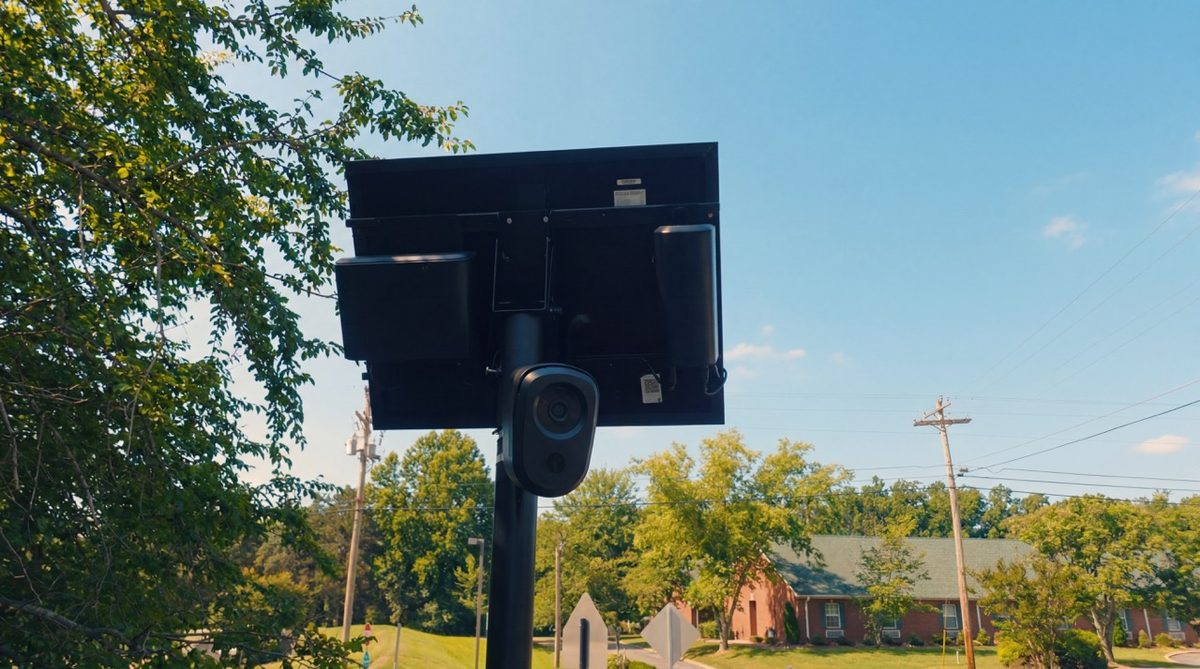
Flock Safety Camera and Solar Panel

Flock Safety ALPR Camera (53833285849)

381 views
1:59
Ginther announces pause in use of CPD's Flock license plate ...
WSYX ABC 6

574 views
2:39
Florida Pulls Flock Automated License Plate Readers After ...
ABC12

1.1K views
1:27
As Flock backlash grows, more police leaders are choosing to ...
Boston.com
Images from Openverse under Creative Commons licenses. Videos from YouTube.
Voices
Curated perspectives — historical figures and your fellow readers.
Play
Exploring all sides of a story is often best achieved with Play.
Most of these play right now — no account needed. Sign up to save scores, keep a streak, and unlock Debate and Predict.
Log in
Sign Up
Higher or Lower
A number from this story, against one from elsewhere in the news — guess which is bigger, then keep the chain going. 5 rounds, 3 strikes; a miss costs a strike and resets your streak.
Example
Anchor
EU tariff revenue
$52B
Big for this kind of number
Mystery
Pentagon AI contract
?
Round 1
Streak: 0
Mystery
?
Keyboard: ↓/L lower · ↑/H higher
0 pts
Best streak: 0 · Rounds: 0
0 points — sign up to put that on the leaderboard.
Now try on this story
Connections
Sixteen names from the news. Find the four hidden groups of four. Four mistakes max.
Loading today's puzzle…
0/4 groups
Mistakes
Sign up to keep a daily streak — a new puzzle lands every day.
Now try on this story
Exit debate?
Your progress in this debate will be lost.
How it works
- 1 Two AI personas square off on this story.
- 2 You predict who'll win each round — correct picks earn XP.
- 3 One crossfire question is yours to fire. Pick it carefully.
Couldn't generate a topic
Select Your Champions
Choose one persona for each side of the debate
DEBATE TOPIC
Choose personas with different perspectives for a more dynamic debate.
SIDE A (PRO)
Select debater for this side:
No debate personas available right now.
SIDE B (CON)
Select debater for this side:
No debate personas available right now.
VS
Get ready to make your prediction...
Round of
Claim
Evidence
Stakes
Crossfire Answer
Closing Statement
Claim
Evidence
Stakes
Crossfire Answer
Closing Statement
Your Crossfire Question
Generating arguments...
Who's Got This Round?
Make your prediction before the referee scores
The referee scores both sides on
Correct predictions earn +20 XP
· Press 1 or 2 to pick
Evidence
40%
Logic
30%
Detail
20%
Style
10%
Round Results
Your Pick
Not this time
(%)
Overall Score
/10
Your Pick
Not this time
(%)
Overall Score
/10
Set the Crossfire
Pick the question both personas must answer in the final round
Crafting crossfire questions...
Choosing a question earns +10 XP crossfire bonus
🏆
Total XP Earned
Cred Change
Predictions
Debate Oracle! You called every round!
Sharp Instincts! You know your debaters!
The Coin Flip Strategist! Perfectly balanced!
The Contrarian! Bold predictions!
Inverse Genius! Try betting the opposite next time!
XP Breakdown
Base completion
+20 XP
Rounds played ( rounds x 5 XP)
+ XP
Correct predictions ( correct x 20 XP)
+ XP
Crossfire bonus
+10 XP
Accuracy
%
Prediction History
Round
You picked:
✓
✗
Now try on this story
Keep debating to level up your credibility and unlock achievements
People Involved
Organizations Involved
Flock Safety
Surveillance technology company
Losing Massachusetts contracts amid privacy backlash
Atlanta-based company that sells automated license plate reader cameras and AI-powered surveillance tools to police departments.
American Civil Liberties Union of Massachusetts
Civil liberties advocacy group
Leading campaign against Flock in Massachusetts
Civil liberties advocacy group that has been organizing against Flock since October 2025.
Timeline
October 2025 September 2026
8 events
Latest: 3 days ago
Tap a bar to jump to that date
-
Four more towns cut ties or pause Flock
Latest Policy ChangeAbington, Ayer, Groton terminate Flock contracts; Southbridge suspends use.
-
Easton announces end of Flock contract
Policy ChangeEaston announces it will end Flock contract at end of year.
-
Five towns discontinue Flock use
Policy ChangeEast Bridgewater, Grafton, Auburn, Bellingham, and Douglas discontinue Flock use.
-
Stow cuts ties with Flock
Policy ChangeStow cuts ties with Flock after officer allegedly misused system to track acquaintance.
-
Hopkinton cancels Flock contract
Policy ChangeHopkinton cancels Flock contract, citing state procurement law violation.
-
Littleton orders cameras removed
Policy ChangeLittleton orders Flock cameras removed after company reactivated them without town knowledge.
-
New Bedford suspends Flock use
Policy ChangeNew Bedford suspends Flock use after officer allegedly stalked ex-girlfriend using the system.
-
ACLU launches anti-Flock campaign
AdvocacyACLU of Massachusetts begins raising awareness about Flock's ALPR technology and organizing communities to reject it.
Historical Context
3 moments from history that rhyme with this story — and how they unfolded.
May 2019
San Francisco bans facial recognition (2019)
San Francisco became the first US city to ban facial recognition technology by city agencies, including police. The Board of Supervisors voted 8-1 to pass the ordinance, which also required city agencies to get approval for any surveillance technology.
Then
Other cities including Boston, Oakland, and Somerville followed with similar bans.
Now
The ordinance set a precedent for local control over surveillance technology.
Why this matters now
Shows how a single city's rejection can spark a broader movement against surveillance tech, similar to how Massachusetts towns are now rejecting Flock.
February 2024
ShotSpotter in Chicago (2024)
Chicago declined to renew its ShotSpotter gunshot detection contract after years of criticism that the technology was inaccurate and led to over-policing. Mayor Brandon Johnson made the decision despite opposition from police.
Then
The decision followed other cities ending ShotSpotter contracts. The company's stock dropped significantly.
Now
Demonstrated that sustained criticism can lead to contract cancellations for surveillance technology.
Why this matters now
Demonstrates how municipal contract decisions can cascade when a surveillance technology faces sustained criticism.
2000s-2010s
Red-light camera backlash (2000s-2010s)
Many US cities removed red-light cameras after courts ruled them unconstitutional, public backlash, or cost concerns. Houston voted to end its program in 2011, and the number of programs declined significantly nationwide.
Then
The number of red-light camera programs dropped from over 500 to around 300.
Now
Some states passed laws restricting their use.
Why this matters now
Shows how privacy and cost concerns can lead to the removal of surveillance technology that was once widely adopted.
Sources
(3)Related Stories
Grand Rapids debates Flock cameras as ACLU urges contract cancellation
Rule Changes
Updated Aug 25
Massachusetts schools face accountability wave over teacher sexual abuse
Rule Changes
Updated Yesterday
St. Paul nuisance abatement appeal narrows to one vehicle at Wyoming Street property
Rule Changes
Updated Aug 27
Greylock Federal joins MassHousing's accessory dwelling unit loan program
Money Moves
Updated Yesterday
From bans to bodycams: how police facial recognition is moving onto the street
New Capabilities
Updated May 10
Fuda Sushi Seafood Buffet cleared to open in Boston's Allston
Money Moves
Updated Aug 27