1
Massachusetts resumes data center tax breaks
Possible
Resolves by Q2 2027
Discussed by: WBUR noted Healey did not say when she would resume accepting applications for the 20-year exemption.
Healey paused the Qualified Data Center Sales and Use Tax Exemption in June 2026 and has not committed to a restart date. If the administration resumes accepting applications for projects meeting the new clean-energy and community-agreement standards, developers who were waiting can move forward. If not, the pause could become indefinite.
2
Ratepayer Protection Fund goes live
Likely
Resolves by Q1 2027
Discussed by: The executive order requires MassDEP to develop the payment mechanism by Dec. 31, 2026.
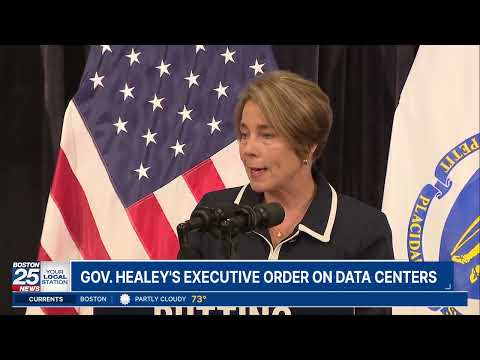
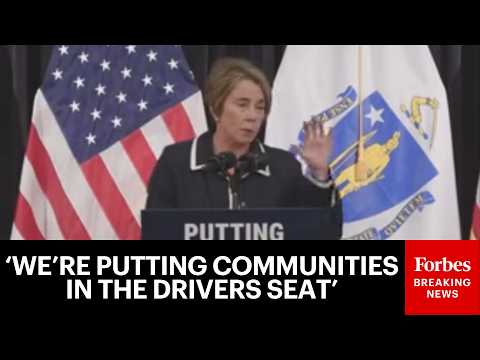
The order creates a Ratepayer Protection Fund funded by data centers that cannot immediately supply their own clean energy. MassDEP must build the alternative compliance payment mechanism by Dec. 31. If it does, the fund starts collecting revenue in 2027 and returns it to ratepayers, making the clean-energy requirement financially binding.
3
More towns ban data centers
Possible
Resolves by Q3 2027
Discussed by: The National Conference on State Legislatures reports 15 states considering data center moratoriums; Lowell, Mansfield, and Holyoke have already acted in Massachusetts.
Towns with no data centers may follow Lowell, Mansfield, and Holyoke by enacting moratoriums or bans. If another Massachusetts municipality formally restricts or prohibits data center development within a year, it signals the local-control movement is spreading. If none do, the order's community-agreement requirement may be satisfying local concerns.
4
Lowell generator case resolves
Possible
Resolves by End of 2027
Discussed by: Lowell residents sued MassDEP in April 2026; a Middlesex judge blocked four generators in August 2026.
The Lowell lawsuit over the Markley Group's diesel generators is the visible test case for tensions behind the executive order. If the court issues a final ruling upholding or overturning the air quality approval, it will set a precedent for how Massachusetts balances data center operations against local health complaints. The case could also settle, with Markley agreeing to emissions limits.
5
New Bedford bans data centers
Deadline passed (Sep 10, 2026)
Discussed by: Mayor Jon Mitchell filed the ordinance Sept. 1; the City Council takes it up Sept. 10.
New Bedford's mayor wants a citywide ban while the city studies data center impacts. Current zoning allows data centers by-right in many areas, meaning no special approval is needed. If the council passes the ban, New Bedford becomes the second Massachusetts city after Holyoke to enact a full prohibition.
6
Legislature codifies data center guardrails
Possible
Resolves by End of 2026
Discussed by: State Sen. Vanna Howard's amendment is in conference committee; Healey has said the 2024 tax exemption was the Legislature's idea.
A Senate amendment tying data center tax benefits to community and environmental standards sits in a conference committee. If it survives, the tax break Healey paused in June would only resume for projects meeting the new standards.
7
University and hospital data centers bypass local approval
Possible
Resolves by End of 2026
Discussed by: Boston.com reporting on the order's exemption clause
Healey's order lets two cabinet secretaries jointly exempt projects tied to accredited colleges, universities, medical providers, or state programs from the 25 MW threshold. Exemptions would let institutional data centers skip community agreements and state clean-energy rules.