



November 1926
Euclid v. Ambler (1926)
The U.S. Supreme Court upheld a Cleveland suburb's zoning code as a valid exercise of police power, rejecting a developer's claim that zoning confiscated property without compensation. The decision legalized land-use regulation nationwide.
Then
Zoning spread rapidly across American cities over the following decades.
Now
Established that governments, not property owners, decide what can be built where — a power states now wield to override local rules.
Why this matters now
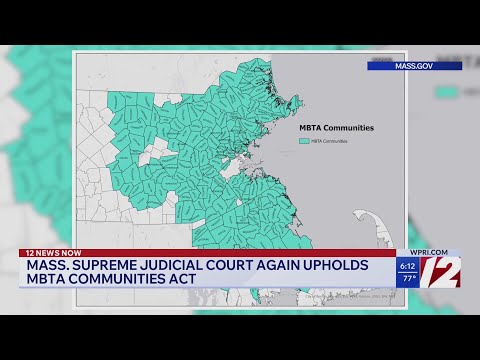
The SJC's rulings apply that same government power in reverse: the state can compel towns to allow housing they would rather block.