

Pull to refresh
Logo
Massachusetts governor declares energy emergency, expands heating aid

Massachusetts governor declares energy emergency, expands heating aid

Rule Changes Boston, MA local

Healey's executive order delivers $150M in relief as heating oil prices jump 73%

Yesterday: Healey declares energy emergency, signs executive order

Overview

Updated 1 hour ago

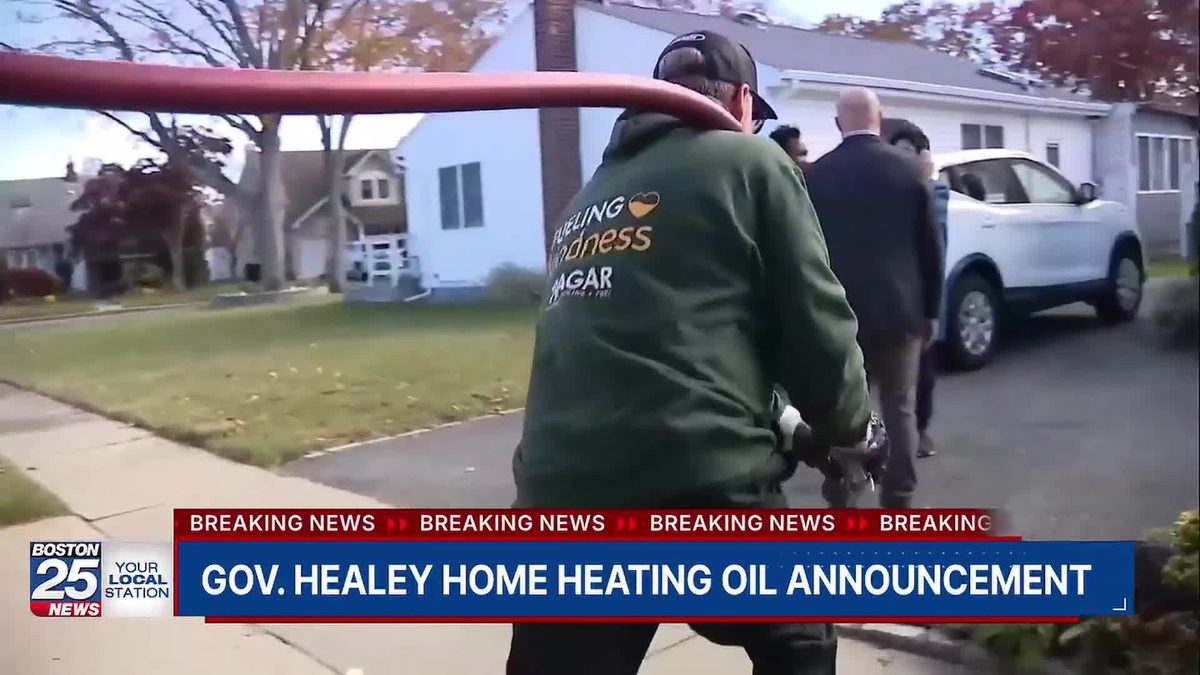
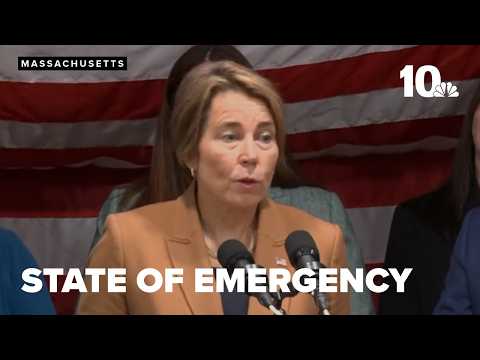
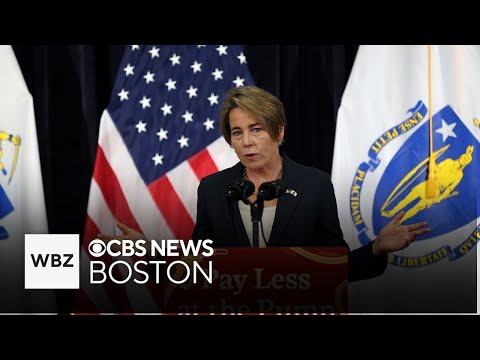
Massachusetts Gov. Maura Healey declared a state of energy emergency Monday, signing an executive order to expand heating assistance and strip charges from electric bills. Heating oil in the state hit $6.08 a gallon, up 73% from a year ago.

The order delivers nearly $150 million in temporary relief: new aid for middle-class households that never qualified, bigger checks for 156,000 low-income families, and a three-month suspension of a solar charge. It also activates price-gouging protections. The moves land a month before Healey faces Republican Mike Minogue in an election where energy costs are the central issue.

Why it matters

With heating oil near $6 a gallon, Massachusetts families face a punishing winter — and Healey's emergency order tests whether state action can soften the blow.

Monday: what changed in Boston, MA

One short email a week with the openings, closings, permits and council votes we covered. Free. Unsubscribe in one click.

Questions about this story

Free account needed to ask — your question is kept and asked for you right after sign-up. Answers are public.

No questions yet — be the first to ask.

Key Indicators

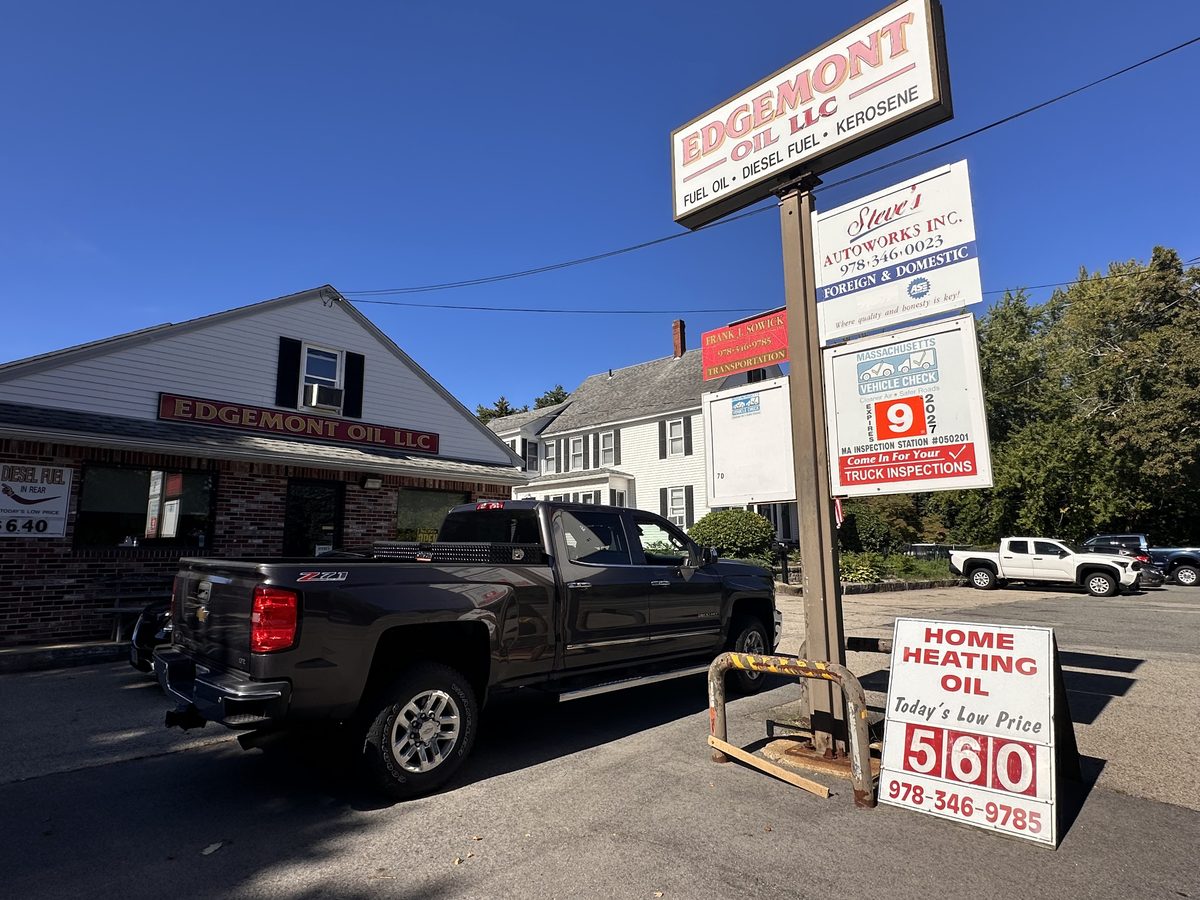
$6.08/gal
Average heating oil price in Massachusetts
Week of Sept. 28, 2026, up from $3.52 a year earlier.
$150M
Estimated total relief from executive order
Includes expanded heating assistance and suspended electric charges.
50,000
Middle-class households qualifying for new heating oil benefit
Households earning 60-100% of state median income, up to $680 each.
85%
Ratepayers seeing lower electric bills
From the three-month SMART charge suspension and reduced alternative energy charge.

Voices

Curated perspectives — historical figures and your fellow readers.

Ever wondered what historical figures would say about today's headlines?

Sign up to generate historical perspectives on this story.

People Involved

Organizations Involved

Timeline

February 2026 October 2026

6 events Latest: Yesterday
Tap a bar to jump to that date
  1. Healey declares energy emergency, signs executive order

    Latest Executive Action

    Healey signed an executive order expanding heating assistance, suspending a solar charge for three months, and activating price-gouging protections.

  2. Heating oil averages $6.08 per gallon in Massachusetts

    Data

    Average home heating oil price hit $6.08 per gallon, up from $3.52 a year earlier.

  3. Healey proposes suspending the state's gas tax

    Policy

    Healey called for a temporary suspension of the 24-cent-per-gallon gas tax, a narrower version of an idea Minogue had pushed.

  4. Healey asks Trump administration to expedite Algonquin pipeline permits

    Policy

    Healey urged federal action on reviews and permits for the Algonquin gas pipeline expansion, citing lower costs for 600,000 customers.

  5. Massachusetts Senate passes energy bill S 3166

    Legislation

    The Senate passed its own energy bill proposing to phase out the Gas System Enhancement Program.

  6. Massachusetts House passes energy bill H 5151

    Legislation

    The House passed its energy bill proposing to cut the Mass Save efficiency program by $1 billion.

Scenarios

1

Healey wins a second term

Likely Resolves by Nov 3, 2026

Discussed by: Massachusetts political analysts; recent polling

The relief programs roll out as planned, heating oil prices stabilize, and voters credit Healey with acting on costs. She wins the November 3 election, and the emergency order becomes a centerpiece of her second-term agenda.

2

Relief runs short as winter bites

Possible Resolves by Apr 30, 2027

Discussed by: Sierra Club Massachusetts; Conservation Law Foundation

Heating oil stays above $5 a gallon, the one-time middle-class benefit is exhausted before April, and the $150 million proves insufficient. Critics who called the measures temporary patches are vindicated, and pressure builds for a broader legislative response.

3

Legislature passes a comprehensive energy bill

Possible Resolves by End of 2026

Discussed by: Boston Herald; State House News Service

The House-Senate conference committee reaches a deal on energy legislation, both chambers pass it, and Healey signs it. The bill adds long-term ratepayer savings to her emergency measures, reshaping the state's energy programs.

Historical Context

3 moments from history that rhyme with this story — and how they unfolded.

October 1973 – March 1974

Arab oil embargo (1973-74)

OPEC's Arab members embargoed oil exports to the U.S. and other Israel supporters. Crude prices quadrupled, gas lines formed, and the federal government imposed price controls and odd-even rationing.

Then

The embargo ended in March 1974 after diplomatic negotiations, but prices stayed elevated and the U.S. economy slid into recession.

Now

It created the Strategic Petroleum Reserve, fuel economy standards, and a lasting federal role in energy policy.

Why this matters now

Shows how governments turn to emergency powers and price controls when energy prices spike suddenly — the same playbook Healey is using.

January 1979 – 1980

Iranian Revolution (1979)

Iran's revolution halted oil exports from one of the world's largest producers. Prices roughly doubled, triggering a second oil shock and global inflation.

Then

Gas lines returned, and the U.S. pushed for conservation and alternative energy.

Now

The crisis cemented the link between Middle East instability and global energy prices.

Why this matters now

Today's price spike is tied to war in Iran, echoing 1979 when Iranian supply disruptions drove up costs worldwide.

2008

2008 oil price spike

Crude oil hit $147 a barrel in July 2008 as demand surged. Heating oil and gasoline prices spiked, and Congress approved supplemental LIHEAP funding for low-income households.

Then

Prices collapsed later in 2008 as the financial crisis hit, but the winter of 2008-09 still saw high heating costs.

Now

Set a precedent for federal emergency heating assistance when prices spike.

Why this matters now

Healey is now asking Congress for $3 billion in additional LIHEAP funding, the same tool used in 2008.

Sources

(5)