

Pull to refresh
Logo
Judge bars government from searching lawyer's phone data seized at Logan Airport

Judge bars government from searching lawyer's phone data seized at Logan Airport

Rule Changes Boston, MA local

Boston ruling lets Homeland Security keep the data for now but blocks decryption and review while lawsuit proceeds.

Overview

Updated 40 minutes ago

A federal judge in Boston ruled on Nov. 13 that the government can keep data copied from an immigration lawyer's phone seized at Logan International Airport, but cannot decrypt or review it. Judge Allison Burroughs said the seizure appeared to be retaliation for the lawyer's videos criticizing immigration enforcement.

The order freezes the immediate use of Andrew Lattarulo's phone data while his lawsuit proceeds. It does not return or destroy the files, so the case still tests whether border agents can copy a lawyer's phone and hold the data during an investigation into his firm.

Why it matters

If courts let border agents copy and hold lawyers' phones, attorney-client files and protected speech can be searched without a warrant.

Last Monday's email for Boston, MA

Sent Nov 9. It carried:

Get next Monday's: one short email a week. Free. Unsubscribe in one click.

Questions about this story

Free account needed to ask — your question is kept and asked for you right after sign-up. Answers are public.

No questions yet — be the first to ask.

Key Indicators

1
Phones seized from Lattarulo
Agents took his phone but not his law partner's phone, according to his lawyers.
117
People flagged in firm's employment forms
Investigators said they found 117 people in the firm's I-9 forms who allegedly lacked work documentation.

Voices

Curated perspectives — historical figures and your fellow readers.

Sign up to generate historical perspectives on this story.

People Involved

Organizations Involved

Timeline

September 2025 November 2026

3 events Latest: Yesterday
  1. Agents seize Lattarulo's phone at Logan

    Seizure

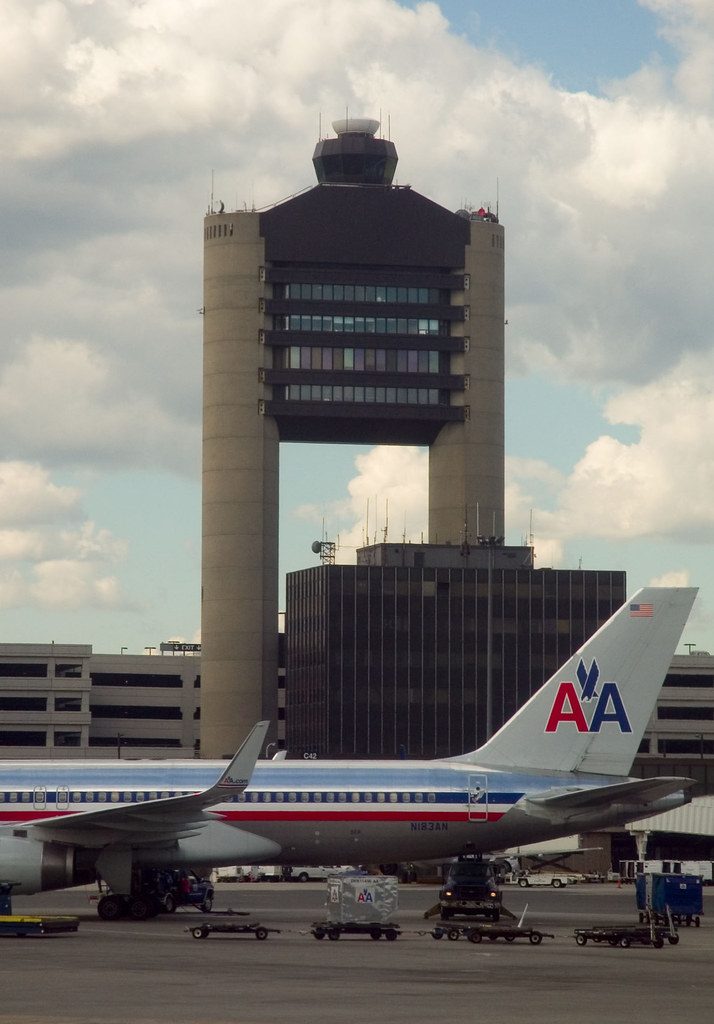
    Federal agents stop immigration lawyer Andrew Lattarulo after a flight from Aruba and take his phone.

Scenarios

1

Court orders phone data destroyed

Possible Resolves by Q2 2027

Discussed by: Lattarulo's legal team

If Judge Burroughs finds the seizure unlawful or the government's filtering process insufficient, she could order Homeland Security and Customs and Border Protection to destroy all copies of the phone data. That would end the immediate threat of the government using attorney-client files in its investigation.

2

Government wins access to phone data

Possible Resolves by Q2 2027

Discussed by: DHS and CBP filings

The government could persuade the judge that its separate review team can filter privileged material and that the seizure was lawful. If so, agents could review the data in the immigration investigation.

3

Settlement returns data without court ruling

Uncertain Resolves by Q2 2027

Discussed by: Court docket and prior judge orders

Homeland Security could agree to destroy the data and drop any use of it to avoid a broader ruling on border searches of lawyers' phones. That would resolve Lattarulo's immediate request without deciding the underlying constitutional questions.

Historical Context

3 moments from history that rhyme with this story — and how they unfolded.

June 2014

Riley v. California (2014)

The U.S. Supreme Court unanimously ruled that police generally need a warrant to search digital data on a cell phone seized during an arrest. The case involved a smartphone found on a suspect.

Then

The ruling required warrants for most phone searches incident to arrest.

Now

It set a baseline that courts treat phones as uniquely revealing.

Why this matters now

The case shows courts recognize phones contain sensitive data, but it left border-search rules for another day.

March 2013

United States v. Cotterman (2013)

A federal appeals court ruled that a forensic search of a laptop at the border requires reasonable suspicion. The case involved a traveler whose device was examined after a border stop.

Then

The court raised the bar for advanced device searches at the border.

Now

It became a leading precedent for limiting border searches of digital devices.

Why this matters now

It shows courts can impose suspicion requirements on border device searches, the issue in Lattarulo's case.

February 2021

Alasaad v. Mayorkas (2021)

The First Circuit reviewed Customs and Border Protection and Immigration and Customs Enforcement policies for searching phones and laptops at the border. It held that advanced searches require reasonable suspicion.

Then

The ruling limited suspicionless advanced device searches in the First Circuit, which includes Massachusetts.

Now

It is the closest appellate precedent for Lattarulo's case.

Why this matters now

Lattarulo's case is in the same circuit, so this precedent shapes whether agents needed more than a hunch to copy his phone.

Sources

(3)