

Pull to refresh
Logo
Federal judge orders New York City to give ICE names of Bronx shelter residents

Federal judge orders New York City to give ICE names of Bronx shelter residents

Rule Changes New York, NY local

Ruling rejects city's claim that the request was political, testing limits of local data protections

Overview

Updated 1 hour ago

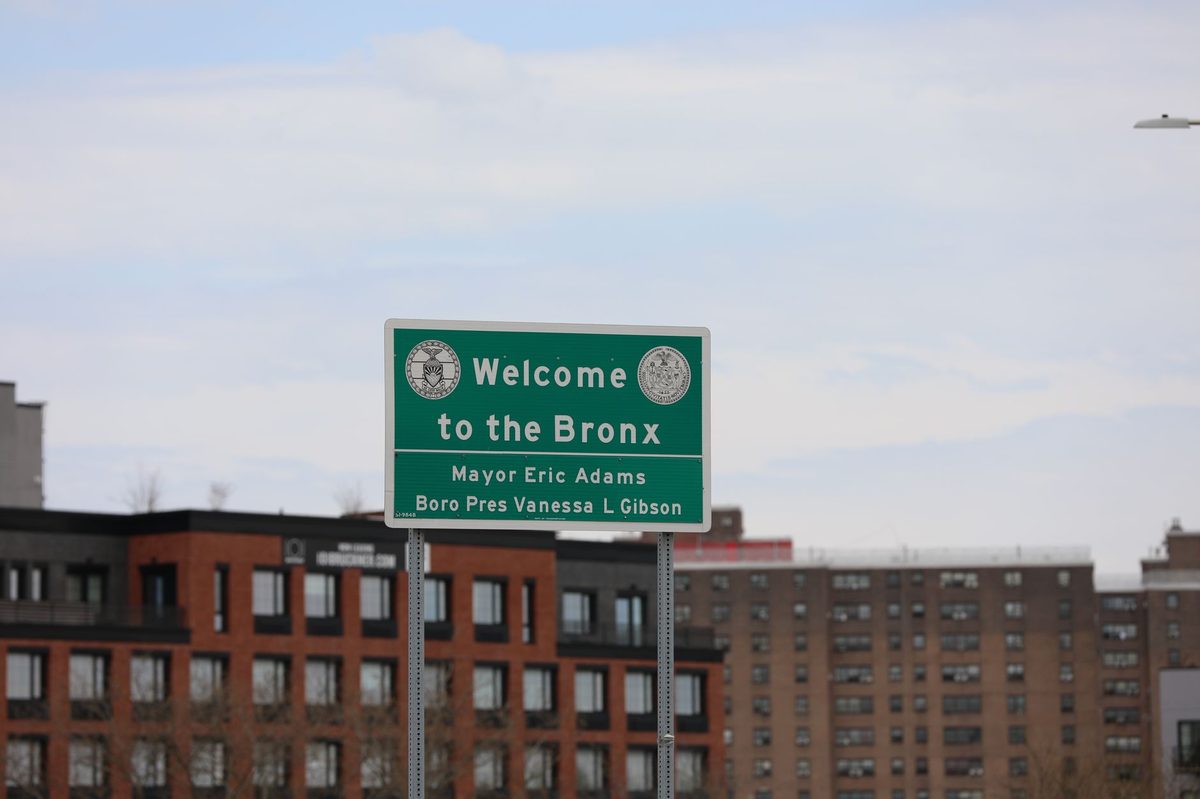
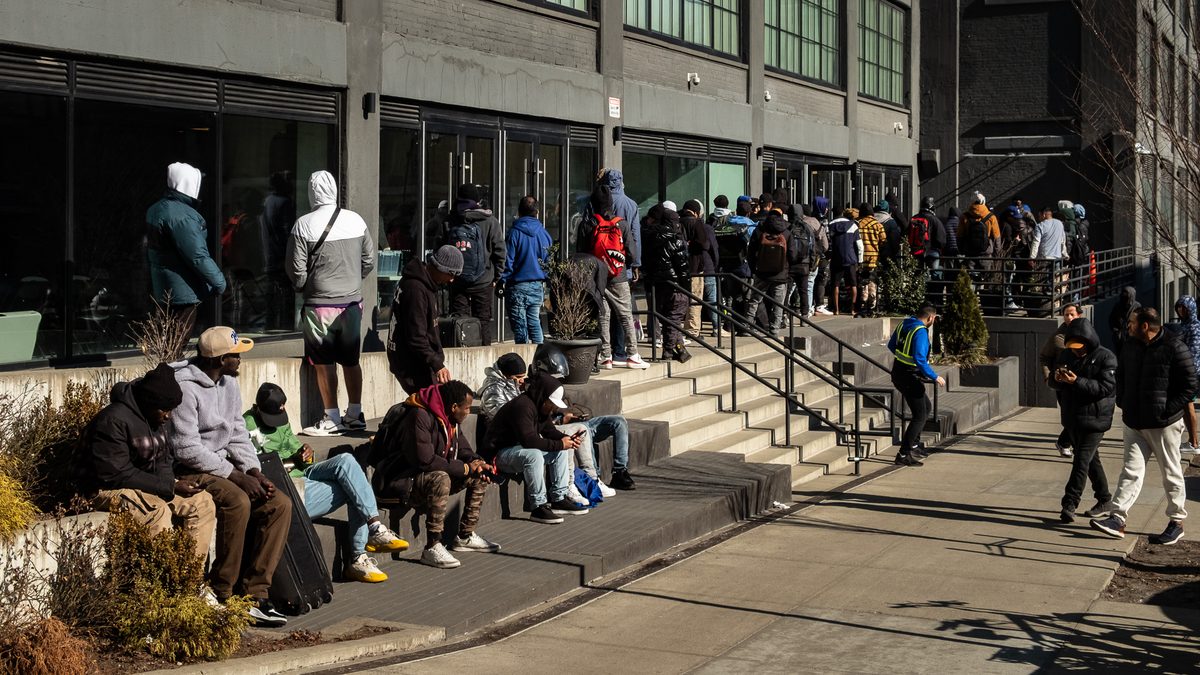
A federal judge ruled on Nov. 7, 2026 that New York City must give U.S. Immigration and Customs Enforcement the names of Bronx shelter residents. The city had argued the request was more political than investigatory.

The order tests how far New York City's rules can shield personal data from federal immigration agents. It also puts Mayor Zohran Mamdani's administration in direct conflict with ICE over records held by city shelters.

Why it matters

If the ruling stands, city shelter records can become a direct route for federal immigration agents to identify people in city care.

Last Monday's email for New York, NY

Sent Nov 2. It carried:

Get next Monday's: one short email a week. Free. Unsubscribe in one click.

Questions about this story

Free account needed to ask — your question is kept and asked for you right after sign-up. Answers are public.

No questions yet — be the first to ask.

Key Indicators

1
Federal court order
Judge ordered New York City to provide ICE with Bronx shelter resident names.
16 months
Duration of dispute
The conflict stretches from July 2025 ICE court detentions to the November 2026 ruling.

Voices

Curated perspectives — historical figures and your fellow readers.

Sign up to generate historical perspectives on this story.

People Involved

Organizations Involved

Timeline

July 2025 November 2026

3 events Latest: Today
  1. Mamdani signs Executive Order 13

    Policy

    Mayor Mamdani signs order restricting non-local immigration enforcement on non-public city property without judicial warrant.

Scenarios

1

New York City turns over shelter names

Likely Resolves by Dec 15, 2026

Discussed by: Gothamist's report on the ruling

The city complies with the court order and provides ICE with the names of Bronx shelter residents. This would mark a direct win for federal immigration enforcement and a limit on city data protections.

2

City appeals and wins a stay

Possible Resolves by Jan 15, 2027

Discussed by: City officials' earlier statements about litigating ICE property use

The Mamdani administration appeals the ruling and asks a higher court to block it while the case proceeds. A stay would delay the release of names and keep the city's data protections in place for now.

3

City refuses and faces contempt

Unlikely Resolves by Mar 1, 2027

Discussed by: No public official has predicted this; it is a compliance-risk scenario

The city declines to provide the names despite the court order. A judge could then find the city in contempt, escalating the conflict between local and federal authorities.

Historical Context

2 moments from history that rhyme with this story — and how they unfolded.

April-June 2012

Arizona v. United States (2012)

Arizona enacted a law allowing state police to check immigration status. The Obama administration sued, and the Supreme Court struck down most provisions.

Then

The court affirmed federal primacy over immigration enforcement.

Now

States could not set their own immigration penalties, though some status checks survived.

Why this matters now

The case established that immigration enforcement is primarily federal, a principle now clashing with city data-protection rules.

2017

New York City sanctuary-city lawsuit (2017)

The Justice Department added immigration-cooperation conditions to federal law-enforcement grants. New York City sued, and a federal judge blocked the conditions.

Then

The city kept its grant money without meeting the new conditions.

Now

The ruling limited federal leverage over local immigration policy through grant conditions.

Why this matters now

The current fight uses a direct records demand rather than grant money, but both test how much local policy can limit federal immigration enforcement.

Sources

(3)