
Pull to refresh
Logo
MBTA begins camera enforcement of bus lanes and stops

MBTA begins camera enforcement of bus lanes and stops

Rule Changes Boston, MA local

Warnings start Oct. 1, fines Jan. 1, on Boston's SL4 and SL5 routes

Today: MBTA announces Oct. 1 start for camera warnings

Overview

Updated 1 hour ago

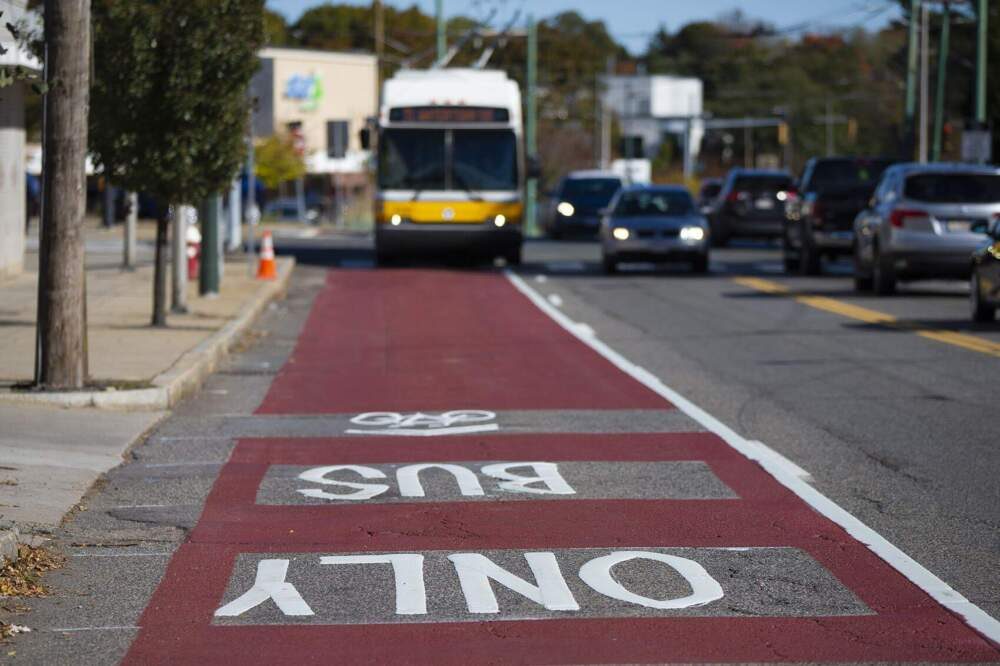
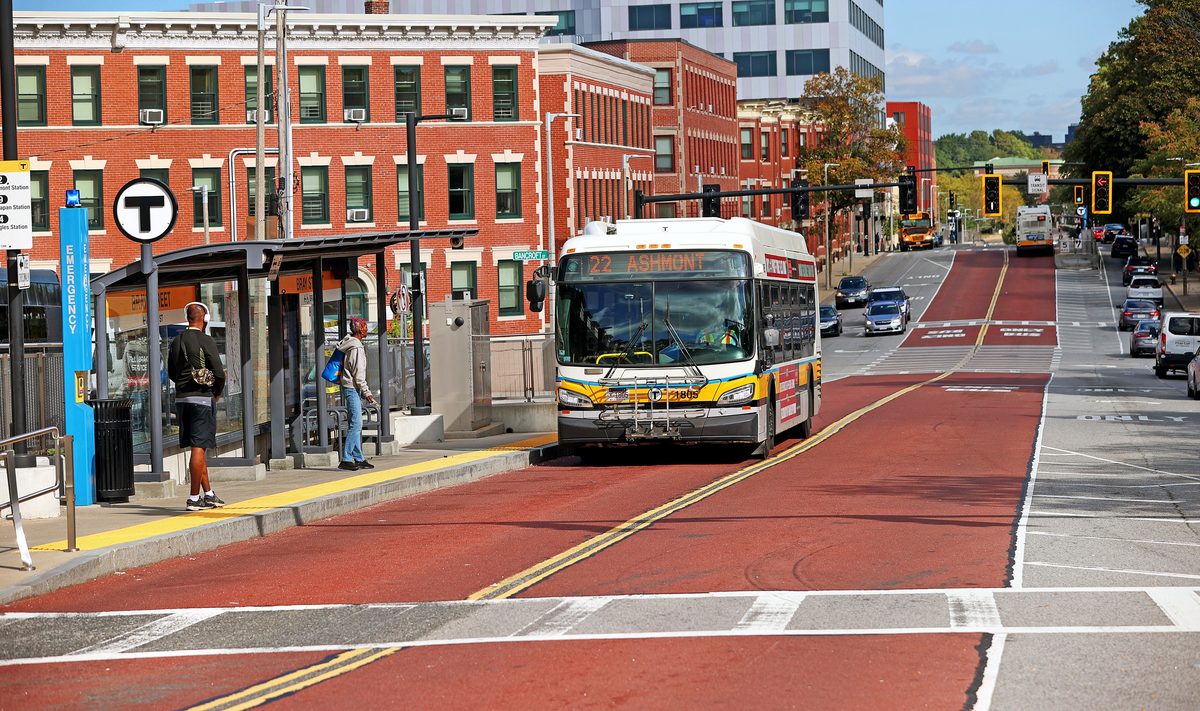
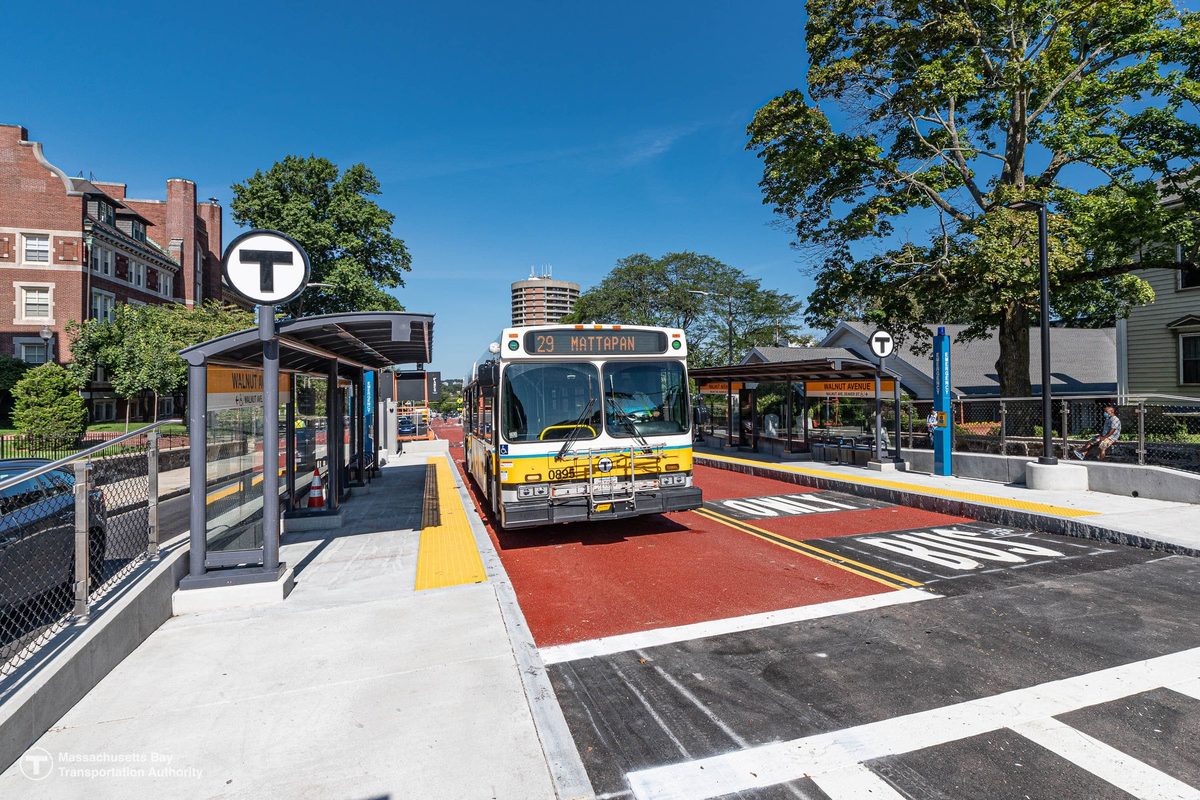
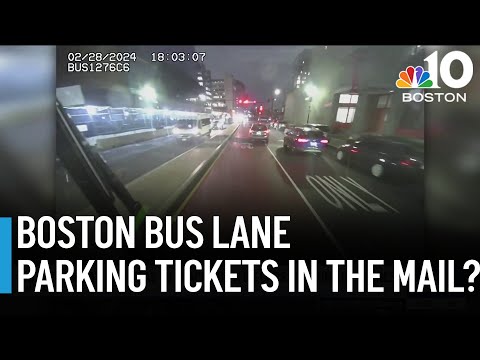
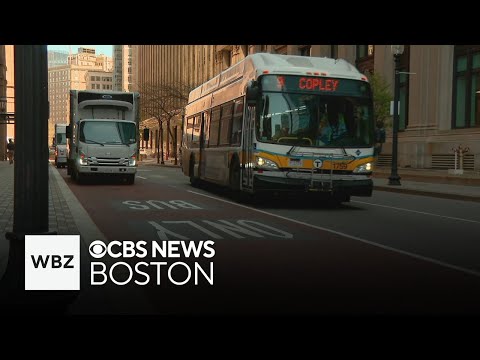
Boston's transit agency is about to test a new tool: cameras mounted on buses that automatically photograph cars blocking bus lanes and stops. Starting Oct. 1, vehicles caught on the SL4 and SL5 routes from Roxbury to downtown will get warning notices in the mail. On Jan. 1, fines begin.

The program is the first camera-based enforcement of its kind in Massachusetts. It's designed to keep buses moving and protect riders who can't easily board from the street. If the two-route pilot works, the MBTA plans to expand it to every bus route in the system.

Why it matters

Bus riders across Massachusetts could see faster, more reliable service, and the program could become a statewide model for keeping transit moving.

Questions about this story

Free account needed to ask — your question is kept and asked for you right after sign-up. Answers are public.

No questions yet — be the first to ask.

Key Indicators

26,500
Potential violations captured in February 2026 test
In a one-month test, cameras recorded 26,500 vehicles blocking bus lanes or stops along a single corridor.
$100
Fine for parking in a bus stop
First-time bus stop violations get a $100 ticket, while bus lane fines range from a warning to $125.
2
Initial bus routes with cameras
Enforcement starts on SL4 and SL5, which carry more than 30,000 riders on a typical weekday.

Voices

Curated perspectives — historical figures and your fellow readers.

Ever wondered what historical figures would say about today's headlines?

Sign up to generate historical perspectives on this story.

People Involved

Organizations Involved

Timeline

January 2025 January 2027

6 events Latest: Today
Tap a bar to jump to that date
  1. Warning notices begin on SL4 and SL5

    Upcoming Program start

    Cameras go live, mailing educational notices to vehicle owners caught blocking bus lanes or stops.

  2. MBTA announces Oct. 1 start for camera warnings

    Today Announcement

    Agency details that educational notices will go out from Oct. 1 through Dec. 31, with fines starting Jan. 1.

  3. One-month test captures 26,500 potential violations

    Pilot test

    Cameras on routes SL4 and SL5 logged thousands of blockages, confirming scale of the problem.

  4. MBTA Board adopts enforcement regulations

    Regulation

    Board approves rules for camera placement, fine amounts, and appeals process, setting the stage for the pilot.

  5. Massachusetts legalizes bus camera enforcement

    Legislation

    Governor signs law allowing MBTA and other transit agencies to use cameras to penalize vehicles blocking bus lanes and stops.

Scenarios

1

MBTA expands bus camera enforcement to all routes by 2028

Likely Resolves by End of 2028

Discussed by: MBTA officials, transportation advocates like T4MA

If the SL4/SL5 pilot shows measurable increases in bus speed and public acceptance, the MBTA will deploy cameras across the full bus network. The agency has already contracted with a vendor that can scale up, and the state law permits expansion. Early signs—improved travel times and low complaint volumes—would trigger systemwide rollout in phases through 2028.

2

Legal or political backlash confines cameras to the pilot routes

Unlikely Resolves by End of 2027

Discussed by: Privacy advocates, drivers' groups, some city council members

Camera footage could draw legal challenges over due process or privacy, especially if the MBTA shares data broadly or if out-of-state drivers appeal fines. A court ruling that the program violates state law—or a public outcry over ticket fairness—could pressure the MBTA to suspend expansion, leaving cameras only on SL4 and SL5. Such an outcome mirrors earlier attempts in other cities where camera programs stalled after public resistance.

3

Camera enforcement delivers measurable bus speed improvements

Possible Resolves by Q2 2027

Discussed by: Transit researchers, peer agencies like SFMTA and NYC DOT

If the program achieves results similar to other cities—10–20% faster buses and 25% fewer crashes—the MBTA will report the data publicly and use it to justify further investment in bus priority infrastructure. This scenario hinges on whether enforcement actually changes driver behavior. Early warning notices and consistent ticketing are expected to produce measurable gains within six months of fine enforcement.

Historical Context

2 moments from history that rhyme with this story — and how they unfolded.

2003–2007

London congestion pricing (2003)

London began charging drivers to enter central London, using automated cameras to enforce payment. Traffic congestion dropped by about 30% in the first year, and bus ridership rose 6% as travel times became more reliable.

Then

The program reduced car volume substantially and generated revenue that funded transit improvements. It faced early legal challenges but survived.

Now

It demonstrated that automated camera enforcement can change driver behavior at scale, even in a densely populated historic city—directly relevant to Boston's ambitions.

Why this matters now

While London's program is about pricing, not bus lanes, it shows that camera-based enforcement can overcome legal and public skepticism and deliver lasting transit benefits.

2010–2014

New York City automated bus lane enforcement (2010)

New York installed cameras on buses to ticket vehicles blocking lanes on 34th Street and other corridors. Within a year, bus speeds improved by up to 20% and collisions fell by over 20% on routes with cameras.

Then

Ticket issuance reduced blockages, and bus travel times shortened. The program proved popular with riders and expanded to dozens of routes.

Now

New York's experience became a template for other U.S. cities, including Boston, which studied its implementation before drafting the Massachusetts law.

Why this matters now

Boston's program borrows directly from New York's approach—cameras on buses, human review of all incidents, and warnings before fines. It gives the MBTA a proven playbook to follow.

Sources

(4)

More from Boston, MA

Openings, permits and council decisions in Boston, MA, in your inbox every Monday.