
Pull to refresh
Logo
Los Angeles begins rolling out speed cameras

Los Angeles begins rolling out speed cameras

Rule Changes Los Angeles, CA local

First 20 of 125 cameras active, with 60-day warnings before $50-$200 civil fines

Yesterday: First 20 speed cameras go live

Overview

Updated 1 hour ago

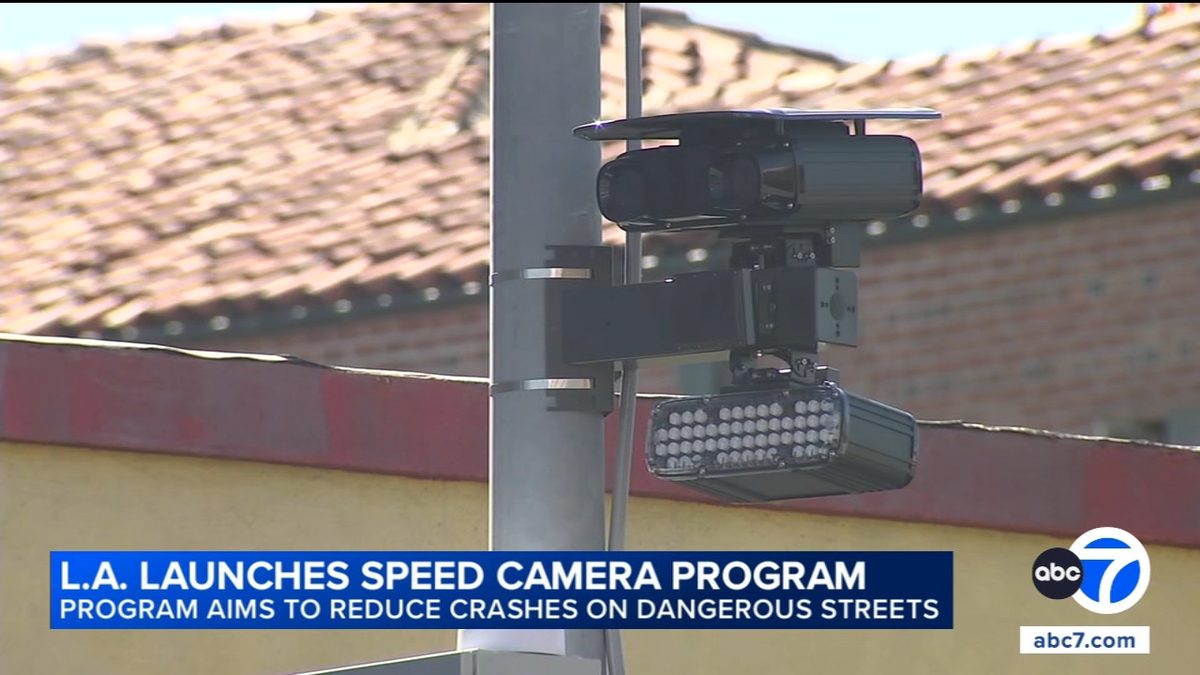
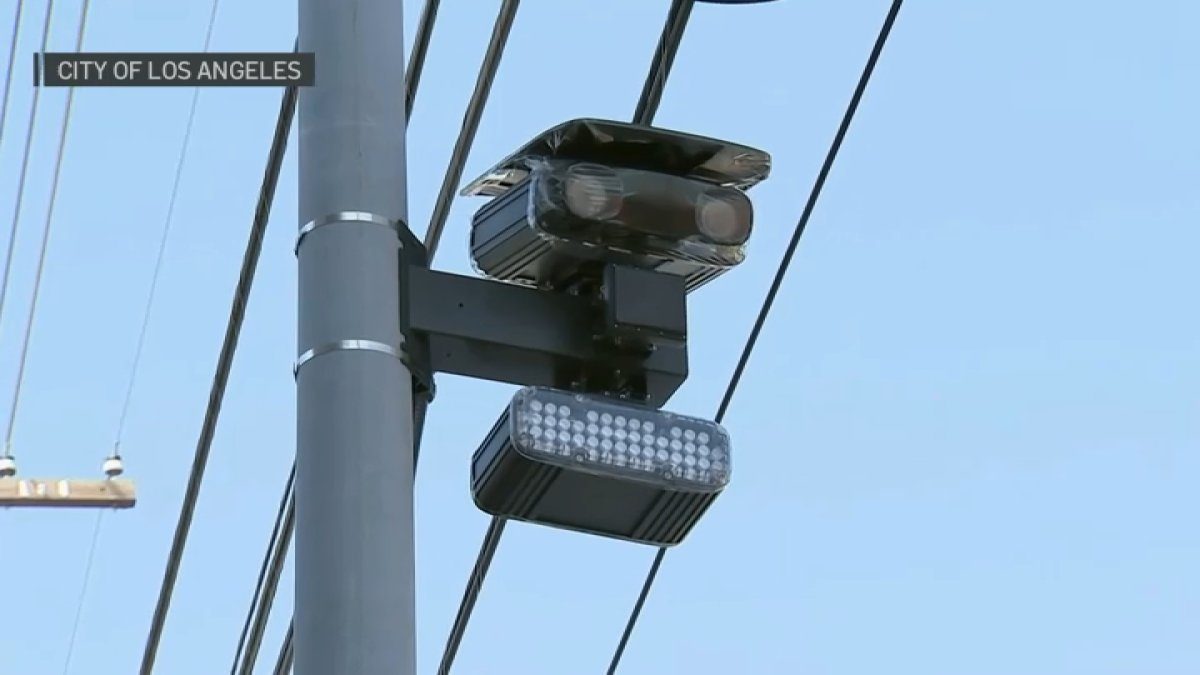
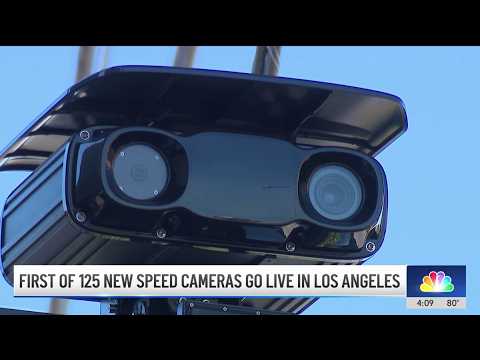
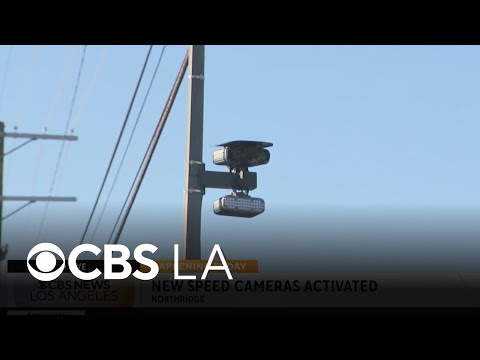
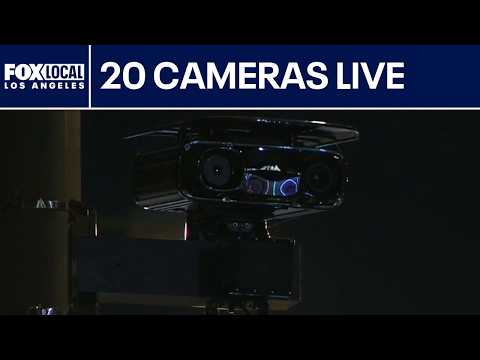
Los Angeles turned on its first speed cameras Oct. 26. Drivers caught going 11 mph or more over the limit on 20 monitored blocks will get mailed warnings—free for now, with civil fines starting in late December.

The city plans 125 cameras across all 15 council districts by year's end, the largest automated speed enforcement network in California. It's a five-year pilot under state law that could decide whether photo enforcement sticks in a car-dominated metro of nearly four million people.

Why it matters

Anyone driving monitored LA corridors will get mailed civil fines for speeding—no traffic stop, no points, just $50 to $200 tickets.

Monday: what changed in Los Angeles, CA

One short email a week with the openings, closings, permits and council votes we covered. Free. Unsubscribe in one click.

Questions about this story

Free account needed to ask — your question is kept and asked for you right after sign-up. Answers are public.

No questions yet — be the first to ask.

Key Indicators

125
Planned cameras
Total across all 15 council districts, per LADOT.
20
Active on day one
First wave of the planned 125-camera network.
$50-$200
Civil fine range
Tiered by speed: 11-15 mph over costs $50, 26+ over costs $200.
60
Warning period
Days of mailed warnings before fines begin at each site.
20%
2024 fatal crashes tied to speeding
One in five LA fatal crashes attributed to speeding, per LADOT.

Voices

Curated perspectives — historical figures and your fellow readers.

Ever wondered what historical figures would say about today's headlines?

Sign up to generate historical perspectives on this story.

Organizations Involved

Timeline

October 2023 December 2026

5 events Latest: Yesterday
Tap a bar to jump to that date
  1. All 125 cameras expected online

    Upcoming Milestone

    Full network scheduled by end of 2026, per LADOT.

  2. First 20 speed cameras go live

    Latest Launch

    Cameras activate, mailing warnings to vehicles going 11+ mph over the limit.

  3. LA City Council unanimously approves program

    Decision

    Council approves the five-year pilot; LADOT begins installation.

  4. California passes AB 645

    Legislation

    Law authorizes speed cameras in six cities, including Los Angeles.

Scenarios

1

LA speed cameras start issuing first fines

Likely Resolves by Jan 31, 2027

Discussed by: LADOT program documents; LAist and FOX 11 transportation coverage

The 60-day warning period for the first 20 cameras expires in late December. If the schedule holds, drivers caught 11+ mph over the limit at those sites receive civil fines starting at $50. LADOT has stated citations will follow the warning period.

2

Legal challenge targets LA speed cameras

Possible Resolves by Q2 2027

Discussed by: Privacy and civil liberties advocates; groups that fought red-light cameras

A drivers' rights or privacy group could file suit over the photo-only enforcement, the civil penalty structure, or data handling. Similar challenges in other states have paused or killed automated enforcement programs. The pilot's controversial rollback would begin with a court filing.

3

LA completes full 125-camera rollout by year's end

Likely Resolves by Jan 31, 2027

Discussed by: LADOT

The city plans all 125 cameras active by Dec. 31, 2026. That requires installing and testing 105 additional sites in about nine weeks. LADOT already delayed the initial launch from late September to late October, citing installation adjustments.

Historical Context

3 moments from history that rhyme with this story — and how they unfolded.

2025

San Francisco speed camera rollout (2025)

San Francisco began activating speed cameras under the same state law that authorized LA's program. Early city data shows up to a 72% reduction in speeding on key monitored corridors.

Then

Speeding dropped sharply on camera corridors in early data.

Now

San Francisco and Oakland's results became the template LA cited to justify its rollout.

Why this matters now

LA's pilot mirrors those cities' programs, and their data is LA's main evidence the cameras work.

2014

New York City school zone speed cameras (2014)

New York authorized speed cameras in school zones and installed the first units in 2014. The program grew to hundreds of locations and later expanded to evening and overnight hours.

Then

NYC reported steep drops in speeding and traffic deaths in monitored school zones.

Now

The program expanded repeatedly, showing pilot enforcement can become permanent.

Why this matters now

LA's five-year pilot could follow the same expansion path—or face the same public debate New York had over widening it.

2000-2019

Red-light camera reversals (2000s-2010s)

Dozens of US cities installed red-light cameras, then removed them after court rulings and voter referendums rejected the programs. Critics argued the cameras were more about revenue than safety.

Then

Several major programs shut down; other cities tightened rules on citations.

Now

The backlash showed automated enforcement can be politically fragile even when crash data improves.

Why this matters now

LA's camera pilot faces the same risk if residents or courts see the fines as a revenue grab.

Sources

(3)